

How to Increase Home Value Before Selling Your House
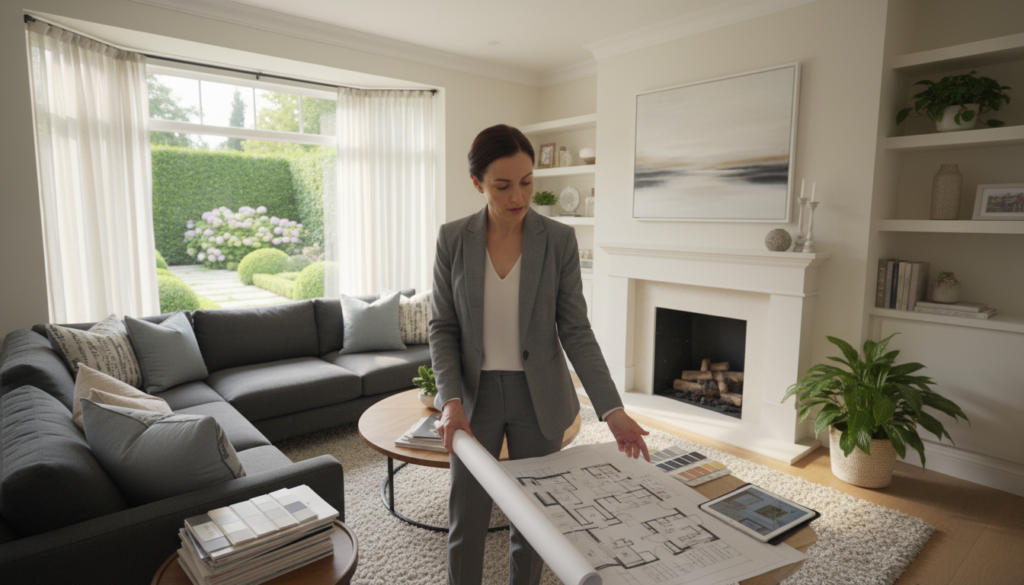
Curious which small projects pay off most when you list? That question guides smart planning. You can boost appeal and equity without overspending.
You likely view your property as a major financial asset. With careful budgeting and targeted renovations, you make spaces that attract buyers and justify higher offers.
Focus first on curb appeal and usable interior space. Simple updates like a fresh paint, a new front door, efficient appliances, or updated lighting often give strong returns. Managing energy bills and fixing visible repairs makes your listing more competitive.
Plan each project around local market demand and average cost. Many owners use savings for upgrades—84 percent, per the 2025 U.S. Houzz and Home Study—so prioritize remodeling that buyers notice. For a practical checklist and expert tips, see this guide: how to increase home value before.
Table of Contents
- Understanding How to Increase Home Value Before Selling
- Assessing Your Current Property Condition
- Boosting Curb Appeal for a Strong First Impression
- Strategic Interior Updates That Attract Buyers
- Enhancing Energy Efficiency to Lower Utility Costs
- Integrating Smart Home Technology
- Adding Livable Square Footage
- The Role of Professional Staging and Cleaning
- Financing Your Home Improvement Projects
- Maximizing Your Return on Investment Before Listing
- FAQ
Understanding How to Increase Home Value Before Selling
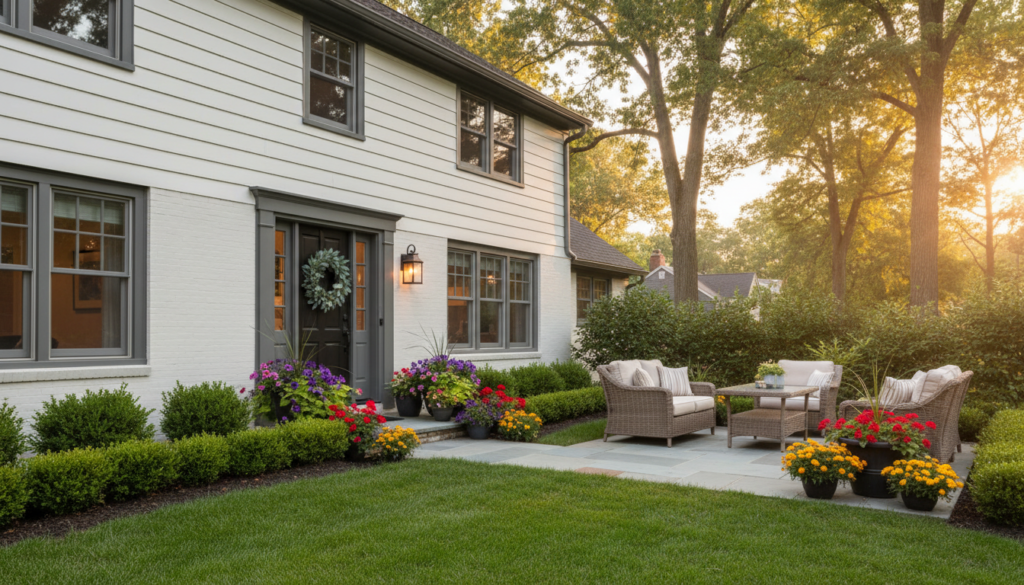
Knowing what buyers in your area want makes planning projects far more effective. Start with the local market and basic property facts. These guide which upgrades give the biggest return.
Factors Influencing Market Value
The local real estate market, neighborhood desirability, and comparable sales set a baseline price. Larger homes with usable space usually command higher offers than small, dated houses.
- High demand in your neighborhood can raise asking prices quickly.
- Age and condition determine whether you need repairs or cosmetic updates.
- Timing matters: start home improvements early to spread out cost and labor.
Determining Your Home Worth
Monitor nearby sales and compare similar homes to set a realistic asking price. Online tools help, but a professional appraiser gives a more accurate valuation when you want reliable numbers.
Practical tip: focus small projects buyers want if the local market is slow. For extra guidance on financing or equity strategies, see this primer on ways to boost equity and a resource about buying in the USA.
Assessing Your Current Property Condition
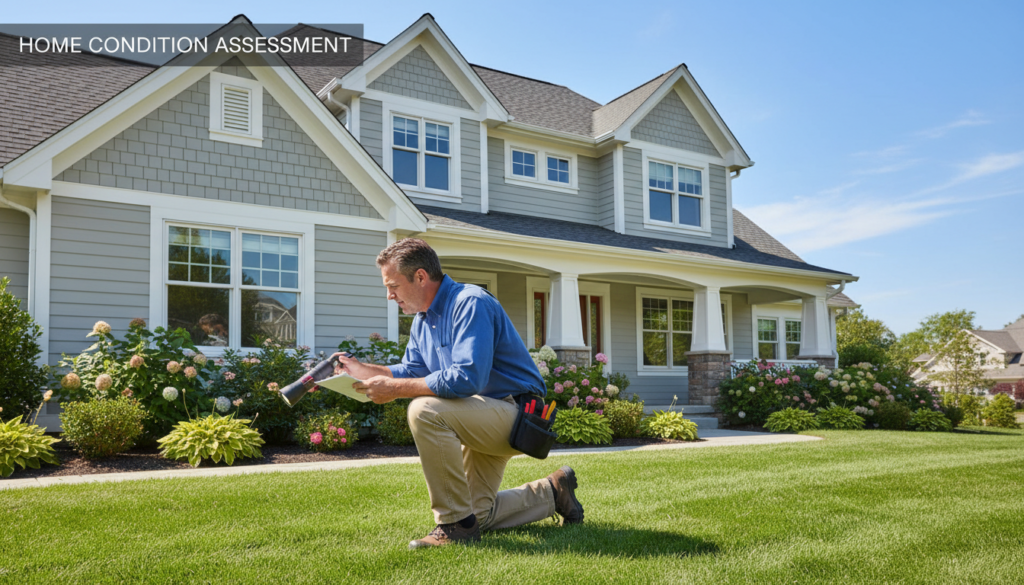
Begin with a clear checklist that captures structural issues, cosmetic wear, and systems performance.
Walk each room and the exterior slowly. Note cracked foundation walls, sagging gutters, drafty windows, and roof wear. These items often reduce buyer confidence and lower your asking figure.
Hire a private inspector for a thorough review. A pro can find hidden problems that surface-level checks miss and give you an action plan before listing in the market.
Address minor repairs early to avoid larger negotiation points later. Keep receipts and service records; buyers in the real estate process value documented maintenance and prompt fixes.
- Inspect foundation, roof, gutters, and windows for older houses.
- Document HVAC, plumbing, and electrical service history.
- Decide whether to invest in major renovation or focus on cosmetic updates.
| Area | Common Issue | Impact on Sale |
|---|---|---|
| Foundation | Cracks, settling | High — can deter lenders |
| Roof & Gutters | Leaks, clogged gutters | Medium — affects inspection outcomes |
| Windows | Drafts, broken seals | Low–Medium — affects energy appeal |
Boosting Curb Appeal for a Strong First Impression
First impressions start outside: a tidy yard and a clean facade set the tone for showings. You want buyers to step up feeling confident about the rest of the property.
Landscaping and Exterior Maintenance
Keep plantings neat and scale them to the house. Mulch beds, trim shrubs, and add fresh seasonal flowers for color.
Power wash siding and the driveway to remove grime. A quick clean instantly improves the look without high cost.
Consider professional landscaping if your lot needs structure. Simple lighting and a new mailbox are low-cost wins that make a big visual impact.
Upgrading Entryway Fixtures
Replace worn doors and hardware for strong returns. A new front door or modern house numbers signals care and helps your house stand out.
Replacing a garage door can deliver an ROI near 194 percent, and exterior paint around $3,178 on average refreshes curb presence.
Small fixes like solar path lights or a sleek mailbox boost appeal and suggest the rest of the home is well kept.
For more practical curb tips, see curb appeal tips.
Strategic Interior Updates That Attract Buyers
Investing in key rooms often delivers outsized returns when you prepare a house for market. Focused interior work makes your property feel move-in ready without draining money or time.
Kitchen and Bathroom Refresh Strategies
Minor kitchen remodeling averages about $22,500, so weigh that cost against likely returns. Often, modest updates offer a better payoff than a full gut remodel.
Simple steps refresh the space: swap cabinet doors, add modern hardware, and apply neutral paint to brighten rooms. Replacing old appliances with energy-efficient models signals long-term savings to buyers.
Bathrooms respond well to small investments. New fixtures, grout repair, and fresh caulk make baths look maintained and clean.
- Declutter and stage: clear counters and open cabinets to show usable space.
- Choose modest finishes: midrange materials save money and appeal to a broad market.
- Prioritize kitchens and baths: these rooms often swing buyer decisions.
For financing tips and prep checklists, see this first-time buyer guide that covers practical steps and timelines.
Enhancing Energy Efficiency to Lower Utility Costs
Targeted energy upgrades shrink monthly bills and boost buyer interest. Start by scheduling a professional energy audit; the average cost is about $437 and it pinpoints air leaks around windows and doors.
Seal gaps, add insulation, and service ducts to improve comfort and cut operating expenses. Replacing old appliances with modern, energy-saving models appeals to cost-conscious buyers and reduces long-term bills.
Swap incandescent bulbs for LED lighting throughout the residence. This is an inexpensive project that lowers consumption and brightens interiors.
The list below shows common upgrades and typical benefits:
| Upgrade | Typical Cost | Primary Benefit |
|---|---|---|
| Energy audit | $437 (average) | Identifies leaks and priority repairs |
| Insulation & duct sealing | $1,000–$3,000 | Lower bills, stable temperatures |
| Efficient appliances & LED lighting | $500–$4,000 | Reduced consumption; strong buyer appeal |
Tip: many buyers will pay more for a modern, efficient property. For practical examples of energy upgrades and savings see energy upgrades and savings, and for affordability context check home affordability basics.
Integrating Smart Home Technology
A few well-chosen gadgets can show buyers your house is efficient, safe, and easy to run.
Smart devices make daily life simpler and signal modern maintenance. Programmable thermostats, video doorbells, and smart locks each add clear perks. A smart thermostat alone can cut energy bills by about 8 percent roughly $50 a year for many families.
These upgrades appeal to tech-minded buyers and often require little wiring or major work. They highlight comfort, savings, and security during showings.
- Use smart thermostats to demonstrate lowered energy costs and easy scheduling.
- Highlight smart locks and cameras for family-friendly security features.
- Choose devices that match the likely demographic in your area.
| Device | Approx. Cost | Primary Benefit | Buyer Appeal |
|---|---|---|---|
| Smart thermostat | $120–$250 | Lower energy bills; remote control | High — energy-conscious buyers |
| Video doorbell | $100–$250 | Visitor monitoring; package protection | Medium–High — families and commuters |
| Smart locks | $100–$300 | Keyless entry; remote access | High — convenience and security |
Tip: Pair demos with clear instructions and reset accounts before showings. Small tech investments can boost perceived value and help your property stand out in a busy market.
Adding Livable Square Footage
Adding livable square footage transforms cramped layouts into practical rooms that buyers notice quickly. A new bathroom or a great room expands usable space and often boosts your asking price.
Converting an attic, finishing a basement, or building an addition are common projects. Each option changes flow and gives families more functional areas.
Costs vary by region and scope, so check the average local construction figures before you commit. Permits and inspections matter; build to code to protect the investment.
- Extra bedrooms and baths often attract more interest from serious buyers.
- Upgrades that include modern appliances and efficient systems can improve long-term energy bills.
- Well-planned space adds value and sets your house apart from nearby listings.
Tip: weigh cost against expected returns and consult local pros. For a deeper look at return on additions, see adding square footage ROI.
The Role of Professional Staging and Cleaning
A spotless, staged interior helps buyers picture daily life and moves showings faster.
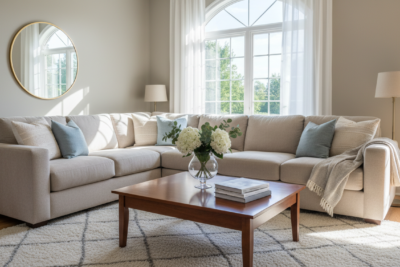
Hire a professional stager to rearrange furniture and highlight features like fireplaces and views. Stagers often focus on the living room and kitchen, where most buyers form lasting impressions.
Deep cleaning matters. A thorough clean for a four-bedroom home typically costs $200–$225 in many metros. Clean surfaces and decluttered cabinets make your house feel well cared for.
- Remove personal items and excess furniture so visitors can imagine the space as theirs.
- Fresh paint and better lighting make rooms seem larger and more modern.
- Declutter closets and storage; buyers often check these areas during tours.
Investing time in staging and cleaning signals good maintenance. That boosts appeal and can speed offers in a competitive real estate market.
| Service | Average Cost | Main Benefit |
|---|---|---|
| Professional staging | $500–$2,000 (varies) | Highlights layout; helps buyers visualize use of space |
| Deep cleaning (4-bed) | $200–$225 | Creates strong first impression; shows care |
| Minor upgrades (paint, lighting) | $150–$1,200 | Modernizes rooms; improves interior curb appeal |
Financing Your Home Improvement Projects
A clear funding plan helps you move from concept to finished renovations without surprises. Decide how much you will spend and which projects matter most. Many owners use savings; the 2025 Houzz and Home Study notes 84 percent rely on cash for remodel work.
Using Home Equity Loans
Home equity loans offer a fixed interest rate and predictable payments. They work well for larger projects like an addition or major remodel. Because the loan is secured by your property, rates tend to be lower than unsecured credit.
Leveraging Cash-Out Refinancing
Cash-out refinancing replaces your mortgage with a larger loan and gives you cash at closing. Many homeowners choose this when rates are favorable. It can fund extensive renovations and may lower monthly payments if you lock in a better rate.
Personal Loan Options
Personal loans are unsecured and useful for smaller jobs such as paint, door upgrades, or minor repairs. Approval is based on credit and income, and terms are shorter than mortgage products.
- Plan costs: research the average cost of your projects before borrowing.
- Compare ROI: not every renovation covers its cost.
- Get advice: a financial advisor can match loan terms with your goals.
Maximizing Your Return on Investment Before Listing
Pick improvements that deliver clear appeal and sensible returns in your local market.
Start with visible wins: a refreshed kitchen, a new front door, fresh paint, and tidy landscaping. These items raise curb appeal and catch buyers' attention quickly.
Prioritize exterior repairs and small interior fixes that cost little but show care. Modest renovations often beat expensive remodels when you watch your investment and final sale price.
Create a plan that matches local demand and your budget. Spend money only where it helps marketability and usable space. That focus helps you increase home value without overspending.
FAQ
What factors most influence market value?
Location, comparable sales, property condition, square footage, school districts, upgrades, and local market demand strongly impact home value.
How can you determine your home's worth?
Use comparative market analyses, professional appraisals, and online valuation platforms while reviewing recent nearby sales.
What should you inspect when assessing property condition?
Inspect roofing, plumbing, electrical systems, HVAC, flooring, windows, foundations, and visible cosmetic or structural issues.
Which landscaping projects deliver the best curb appeal?
Fresh mulch, trimmed landscaping, clean walkways, healthy lawns, and seasonal plants create strong first impressions for buyers.
What entryway upgrades attract buyers?
Fresh paint, updated hardware, improved lighting, modern house numbers, and clean entry spaces improve buyer perception quickly.
Which kitchen and bath improvements pay off most?
Updated countertops, painted cabinets, modern lighting, refreshed fixtures, and energy-efficient appliances often deliver strong returns.
How can energy efficiency lower utility costs and appeal?
Smart thermostats, LED lighting, insulation improvements, sealed windows, and Energy Star appliances reduce energy expenses and attract buyers.
What smart home technology should you add?
Popular additions include smart thermostats, video doorbells, smart locks, and upgraded Wi-Fi systems for convenience and security.
How do you add livable square footage affordably?
Finishing basements, attics, enclosed patios, or underused rooms can increase functional living space and market value.
When should you hire professional stagers and cleaners?
Professional staging and deep cleaning are valuable when preparing to maximize buyer interest and improve listing presentation.
What financing options cover renovation costs?
Home equity loans, cash-out refinancing, and personal loans are common ways to finance renovation projects.
How do home equity loans work for projects?
Home equity loans provide a lump sum secured by the property, usually with fixed interest rates and repayment schedules.
When is cash-out refinancing a smart choice?
Cash-out refinancing works well when homeowners want renovation funds while replacing an existing mortgage with updated terms.
Are personal loans a viable option for smaller projects?
Yes. Personal loans can quickly finance cosmetic upgrades and smaller renovations without using home equity as collateral.
How can you maximize return on investment before listing?
Focus on affordable upgrades, staging, curb appeal, fresh paint, and competitive pricing to improve buyer interest and final sale value.
If you want to know other articles similar to How to Increase Home Value Before Selling Your House You can visit the category Real Estate.
Your Guide to the Home Selling Process USA Made Simple
Best Time to Sell a House USA Tips for Smart Sellers
House Staging Basics Explained Tips for Your Home Sale
Property Valuation Tips USA Every Homeowner Should Know

Your Rental Property Investment Guide USA Explained

How to Invest in Property USA A Beginner’s Guide
Leave a Reply
VISIT THESE INTERESTING ARTICLES📚