
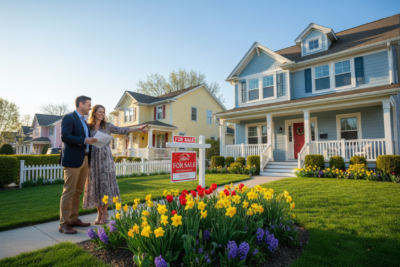
Your Guide to the Home Selling Process USA Made Simple
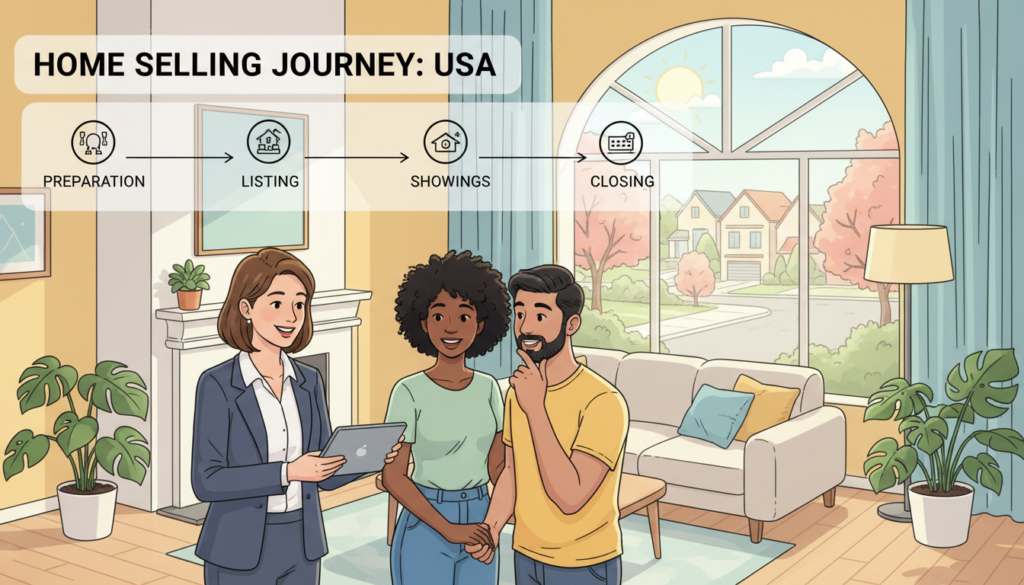
This guide walks you through the real estate steps that matter. You will learn how to prepare your property, attract potential buyers, and manage offers without surprises.
We cover practical topics like pricing, inspections, and closing costs so you can protect your finances. A real estate attorney can help with legal documents and title checks to reduce risk.
Whether you plan to sell house in Tucson, Salt Lake City, or San Diego, this short roadmap helps you make informed choices. Follow the six-step checklist to set a timeline, estimate fees, and get ready for closing.
Start here to reduce stress, save time, and get the best price for your property.
Table of Contents
- Assessing Your Readiness to Sell
- The Home Selling Process USA Made Simple
- Selecting the Right Real Estate Professional
- Strategic Pricing for Market Success
- Preparing Your Property for Potential Buyers
- Maximizing Online Appeal with Professional Photography
- Navigating Offers and Negotiations
- Understanding Closing Costs and Financial Obligations
- Managing Legal Documentation and Disclosures
- Finalizing Your Property Transfer
- FAQ
Assessing Your Readiness to Sell

Before you list your property, take time to check your finances and local market trends.
Start by tallying mortgage balances, equity, and any repair costs. Research recent sales of nearby houses to estimate likely price and timing for a sale.
- Calculate net proceeds after commissions, taxes, and fees.
- Decide if a pre-listing inspection will reduce surprises later.
- Plan professional photos and decluttering to attract buyers.
Hire an experienced real estate agent or estate agent early to get area-specific information and to help craft a competitive listing. A good agent guides offers, paperwork, and the timeline so you avoid delays.
| Readiness Item | Typical Cost | Action |
|---|---|---|
| Pre-listing inspection | $300–$700 | Schedule to find repairs early |
| Professional photos & staging | $200–$1,200 | Book a photographer and declutter |
| Agent commission & fees | 4%–6% of sale | Negotiate terms and review documents |
| Repairs & improvements | $500–$5,000+ | Prioritize fixes that raise value |
Use this checklist to judge whether now is the right time to sell home. If you want guidance on buying next, see how to buy a house for practical next steps.
The Home Selling Process USA Made Simple

Knowing whether your local market favors buyers or sellers sets realistic expectations for timing and price.
Understanding Market Conditions
Talk with a real estate agent or estate agent to see if demand is rising or softening. That snapshot tells you how fast homes are selling and what buyers expect.
Review recent sales and current listings to set a competitive price. This research gives you the information needed to attract qualified potential buyers and strong offers.
Setting Your Timeline
Set a clear timeline that covers decluttering, staging, and a pre-listing inspection. Address repairs early to reduce surprises and limit renegotiation over fees.
- Plan photo day and listing date.
- Coordinate move-out with closing to avoid overlap.
- Check costs and adjust milestones as offers arrive.
Selecting the Right Real Estate Professional
Choosing the right real estate agent can save you time and protect your net proceeds. Hire a listing agent about two months before you plan to list so there's time to prepare the property and the listing materials.
Interview several candidates to compare track records in your local market. Look for an estate agent who has sold similar houses and who can show recent sales, marketing plans, and references.
A professional agent will help set the right price, market your property to serious buyers, and negotiate offers toward a smooth closing. They also explain potential costs and the financial impact of each proposal you receive.
- Access: Agents open marketing channels that most owners cannot.
- Guidance: They manage paperwork and keep the sale on schedule.
- Negotiation: Experienced agents aim to maximize your proceeds and reduce stress.
For help choosing the right professional, read this guide on how agents differ: Are all real estate agents the same
Strategic Pricing for Market Success
An accurate initial price helps you attract serious buyers quickly. Price signals value and sets expectations for offers and timing.
Start with a comparative market analysis from your real estate agent or estate agent. This analysis compares recent sales of similar homes in your area and highlights trends that affect your listing.
Consider a professional appraisal. Costs typically range from $300 to $600 and give an objective estimate of your home's market value. Use that figure when you negotiate with a buyer.
Analyzing Comparable Sales
Look at closed sales, active listings, and expired listings. Note size, condition, and upgrades that change value.
- Price competitively to attract multiple offers and reduce time on market.
- If you choose to sell house without an agent, research recent sales carefully to avoid overpricing.
- Highlight unique features that justify a higher asking price.
| Tool | Typical Cost | Purpose |
|---|---|---|
| Comparative Market Analysis | Often free with an agent | Sets competitive listing price |
| Professional Appraisal | $300–$600 | Provides objective market value |
| Price Reductions | Variable | Used when interest is low to revive offers |
| Independent Research | Time investment | Needed if you sell house without an agent |
Preparing Your Property for Potential Buyers
Small repairs and smart staging often deliver the biggest returns on your listing. Start with a clear plan so each task improves value and appeal. Prioritize work that shows well in photos and in person.
Decluttering and Deep Cleaning
Remove personal items, clear countertops, and limit furniture to make spaces feel larger. Hire a professional cleaning service if you need to save time.
Deep cleaning helps during showings and reduces negotiation points after an inspection. Bright, spotless rooms make a positive first impression on potential buyers.
Essential Home Repairs
Fix leaky faucets, replace cracked tiles, and touch up paint. These simple updates often yield strong returns and reduce buyer requests during inspections.
Make sure major systems are documented and any recent repairs are noted for your agent. That builds trust and supports your asking price.
Professional Staging Techniques
Staging with neutral decor and good lighting helps buyers picture themselves in the space. A professional stager can rearrange or rent pieces to maximize perceived value.
Combine staging with professional photos to highlight size and flow. Your real estate agent or estate agent can recommend trusted photographers and stagers.
| Task | Typical Cost | Impact on Sale |
|---|---|---|
| Deep cleaning | $150–$350 | Improves first impressions |
| Minor repairs | $100–$1,000 | Reduces inspection issues |
| Professional staging | $300–$2,000 | Increases perceived value |
| Professional photos | $150–$500 | Boosts online interest |
Maximizing Online Appeal with Professional Photography
A strong visual presentation online makes your listing earn more clicks and showings. Professional real estate photography turns ordinary shots into images that highlight flow, light, and scale.
According to the National Association of Realtors, nearly all buyers use the internet to search and many start online. That means your photos often decide whether a buyer schedules a visit.
Your real estate agent or estate agent will usually arrange a photographer and staging to ensure consistency across MLS and portals. High-resolution images give your property a polished presence that stands out in a crowded market.
- More interest: Better photos attract more clicks from potential buyers.
- Shorter time: A well-shot listing can reduce time on market and speed up closing.
- Higher price: Professional imagery often supports stronger offers and a better sale price.
For tips on combining curb appeal with great photos, see maximize curb appeal and photos.
When offers arrive, your priority is to assess each buyer’s terms, not just the number on the line.
Respond quickly most sellers have 48 hours or less to send a counter-offer. Timely replies keep momentum and signal seriousness to potential buyers.
Evaluating Terms Beyond Price
Look at financing, proposed closing date, and contingencies. A cash buyer may close faster and with less risk than one who needs loan approval.
Your real estate agent will present offers, summarize key risks, and recommend negotiation strategies. They help you compare which buyer is most likely to complete the sale.
If you have multiple offers, ask your agent to create a side-by-side comparison of price, deposit, financing type, and requested repairs.
- Insist on written counter-offers that set a clear deadline for the buyer to respond.
- Use an attorney to review complex terms and legal documents before you sign.
- Prioritize certainty to close over a slightly higher price that carries financing risk.
Work closely with your agent and attorney so your interests stay protected at each stage. For guidance on your next purchase, see steps to purchase a home internationally.
Understanding Closing Costs and Financial Obligations
A clear tally of expected costs removes surprises at the closing table.
Start by asking your agent or closing agent for a full itemized statement. That list shows commissions, prorated taxes, title insurance, transfer fees, and any mortgage payoff amounts you must cover.
On a $400,000 sale, a 3 percent real estate commission equals $12,000. Sellers should also plan for closing costs that typically reduce the net proceeds from the sale.
If you lived in your home at least two of the past five years, you may exclude up to $250,000 of profit from capital gains taxes. Speak with a tax advisor to confirm eligibility and local tax rules.
- Expect the closing window to take about 30–60 days while lenders and title companies finalize paperwork.
- Track every fee and get explanations for any unexpected charges.
- Share the closing statement with your buyer and agent to keep the transfer transparent.
For a concise overview of typical costs, see understanding closing costs. Clear budgeting helps you lock in a final price that meets your expectations and closes smoothly.
Managing Legal Documentation and Disclosures
Clear, accurate paperwork keeps a sale on track and reduces last-minute delays.
Collect essential documents early: the property deed, seller disclosure statement, and inspection reports. Provide straightforward records so buyers can review facts and move confidently toward an offer.
Some states require a real estate attorney to oversee the closing. If you hire one, they will check titles, confirm taxes, and verify that disclosures meet local rules.
If you act as the sale owner, you must draft or review the purchase agreement and ensure all documents are complete. Your agent will coordinate with the title company or attorney so paperwork is ready for closing.
- Protect all parties: Accurate disclosures reduce the risk of post-sale disputes.
- Signatures at closing: The closing transfers ownership when buyer and seller sign required documents.
- Attorney review: Use a real estate attorney for complex title, tax, or estate issues.
| Document | Purpose | Who provides it |
|---|---|---|
| Property deed | Proves ownership and transfers title | Seller / Title company |
| Seller disclosure | Lists defects, repairs, and known issues | Seller |
| Inspection reports | Shows property condition for buyer review | Inspector / Seller |
| Closing statement | Itemizes fees, commissions, and final price | Title company / Attorney |
Finalizing Your Property Transfer
Finalizing your property transfer is the last step and seals the agreement. Wrap up with a final walkthrough so the buyer can confirm the agreed condition of the property.
Before the walkthrough, make sure the space is empty, clean, and accessible for potential buyers to inspect. The buyer will verify that all agreed repairs are complete and that no new issues appeared.
At the closing table you will sign final documents, pay any remaining closing costs, and transfer ownership rights. Review the terms carefully to avoid surprises.
After funds move and keys change hands, complete practical updates like canceling utilities and notifying banks and employers. These small tasks ensure a smooth handoff and a clear end to the sale.
For a checklist of closing steps and required documents, see how to sell house for more detail.
FAQ
What steps should you take first when preparing to sell your house?
Review your goals, local market conditions, mortgage payoff amount, and moving plans before meeting with a real estate agent.
How do you choose the right real estate agent to represent your sale?
Compare local experience, marketing strategies, communication style, recent sales history, and client reviews before choosing an agent.
What factors determine the listing price for your property?
Comparable sales, local inventory, buyer demand, location, and property condition all influence the final listing price.
How much should you invest in repairs and staging before listing?
Focus on affordable updates like paint, cleaning, curb appeal, lighting, and minor repairs that improve buyer perception.
What role do professional photos and online listings play in attracting buyers?
Professional photos and optimized listings increase online visibility, generate more showings, and improve buyer interest.
How should you handle offers and negotiations from potential buyers?
Review price, financing terms, contingencies, and closing timelines carefully with your agent before responding strategically.
What closing costs and fees should sellers expect to pay?
Sellers often pay agent commissions, taxes, title fees, mortgage payoff costs, and negotiated repair or credit expenses.
What legal documents and disclosures are required when you sell a property?
Required documents may include property disclosures, deeds, purchase agreements, permits, and lead-based paint disclosures.
How do you prepare for the buyer’s inspection and appraisal?
Complete repairs, organize maintenance records, clean the property, and prepare documentation of upgrades and permits.
What happens on closing day and how do you finalize the transfer?
Both parties sign final documents, funds are transferred, the deed is recorded, and ownership officially changes hands.
Can you sell a house without a real estate agent, and what are the risks?
Yes, but sellers handle pricing, marketing, negotiations, paperwork, and legal responsibilities themselves, increasing risk and workload.
How do taxes affect your net proceeds after the sale?
Capital gains taxes and state taxes may reduce final proceeds depending on ownership history, profits, and residency exclusions.
If you want to know other articles similar to Your Guide to the Home Selling Process USA Made Simple You can visit the category Real Estate.
Best Time to Sell a House USA Tips for Smart Sellers

House Staging Basics Explained Tips for Your Home Sale
Property Valuation Tips USA Every Homeowner Should Know

Your Rental Property Investment Guide USA Explained

How to Invest in Property USA A Beginner’s Guide

Your Guide to Real Estate Investment Basics USA
Leave a Reply
VISIT THESE INTERESTING ARTICLES📚