

Real Estate Market Trends USA Explained for Beginners

Curious how national shifts affect your local housing choices and wallet? This guide starts with clear steps so you can read the signs, weigh risks, and act with confidence.
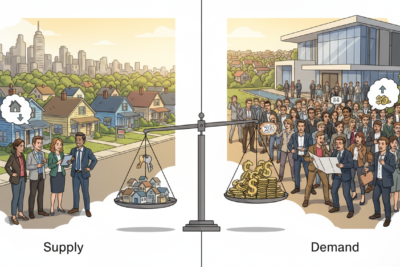
Understanding supply and demand is the first move. The broader economy, jobs, and interest rates shape local home sales and pricing.
We will show how sales data, days on market, and local taxes reveal whether an area favors buyers or sellers. You will learn which numbers to watch and why they matter.
For a practical next step, consult a full guide to market analysis to deepen your review: market analysis guide.
By the end of this article, you will have a simple checklist to compare neighborhoods, assess risk, and make smarter decisions about a future purchase or investment.
Table of Contents
- Understanding the Current Landscape
- Real Estate Market Trends USA Explained for Beginners
- The Role of Mortgage Rates and Affordability
- Inventory Levels and Housing Supply
- Economic Factors Influencing Property Values
- Impact of Recent Housing Policy Changes
- Residential Versus Commercial Market Dynamics
- Regional Variations Across the Country
- Emerging Opportunities for Potential Investors
- Navigating Your Next Steps in the Housing Market
- FAQ
Understanding the Current Landscape

Begin with a view of the big-picture forces that move housing activity in your area. This helps you link national signals to local choices and budgets.
Defining Market Cycles
Market cycles are natural ups and downs in the economy that shift power between buyers and sellers. These cycles influence pricing, inventory, and how long listings stay active.
Over recent years, cycle length and speed have varied by region. Tracking cycles helps you time purchases and set realistic expectations for growth.
Key Economic Indicators
Watch a few core indicators to predict direction. Employment and income growth often lead demand for housing. Interest rates shape affordability and buyer activity.
- The National Association of Realtors provides research and data that clarify the size and health of the housing market.
- Industry reports estimate the U.S. market size at USD 130.02 billion in 2024, offering scale for planning.
- Historical information and reports show how past years inform current expectations and long-term stability.
Real Estate Market Trends USA Explained for Beginners

A key signal is when wage growth outpaces asking price increases this shapes buying power.
NAR data show that modest income gains helped existing-home sales, according to Dr. Lawrence Yun.
That matters because you judge affordability by comparing income to home price movement.
"Existing-home sales were modestly boosted by income growth outpacing home price gains."
Use these quick checks to apply the report to your search:
- Compare local asking prices to the national average to see where buyers have the edge.
- Watch supply versus demand: low supply can keep prices firm even when rates rise.
- Remember pent-up demand can spur activity, per the national association realtors research.
Practical tip: If income in your area rises faster than prices, you may enter the housing market sooner.
For broader national context, review current housing summaries at the U.S. housing market overview.
The Role of Mortgage Rates and Affordability
Your monthly payment often matters more than the sticker price when you shop for a home. Mortgage pricing directly affects what you can afford today and over the life of a loan.
Fixed Versus Adjustable Options
Fixed-rate loans give you steady payments and predictability. That stability helps you plan budgets and reduces risk if interest rises.
Adjustable-rate loans may start lower but can increase later. Choose this only if you accept some uncertainty or expect to move before rates reset.
The Impact of Rate Buydowns
Builders often offer rate buydowns to lower initial payments and move inventory faster. This can make higher list prices feel more affordable in the short term.
Rate buydowns can save you thousands in early years, but compare long-term costs and contract terms before you commit.
"Lower initial rates can expand access, but always check the math for the full loan term."
For a practical view on timing and selling that affects affordability, review guidance on the best time to sell a house: best time to sell a house.
Inventory Levels and Housing Supply
When new construction rises, your chance to find an affordable home improves. Recent data show supply has slowly increased as builders add new homes.
Inventory levels drive price movement. Limited supply tends to create competition and push prices up. That pressure affects buyers and can slow home sales in some areas.
Research finds tight supply makes the local real estate market tougher for those seeking lower-cost options. Monitoring new construction data helps you see when choices may expand.
The current report highlights how modest inventory growth is changing the estate market for both buyers and sellers. Understanding the balance between supply and demand is crucial to interpret price signals.
"Track inventory and new builds; shifts in supply often signal when conditions favor buyers."
- Watch months of supply and active listings to time your search.
- Compare local construction starts to total housing stock for context.
- Follow mortgage rates and demand, since they interact with supply to affect affordability.
By tracking these signals, you gain clear insights into when the market may shift in your favor for a future purchase.
Economic Factors Influencing Property Values
Local hiring trends and pay raises set the foundation for how home values change over time.
Employment and Income Growth
Employment growth boosts buyer demand because more people can afford mortgages and save for down payments.
When income rises, you often see upward pressure on prices and increased sales activity. Job gains in high-growth regions tend to draw new residents, which strengthens housing demand and long-term price growth.
Stable income growth is the most reliable signal for durable appreciation in the housing and estate segments. J.P. Morgan Global Research projects U.S. house prices may stall at 0% in 2026 as demand and supply reach balance, so you should weigh both job data and local supply trends.
- Compare local wage growth to home price lists to spot affordable areas.
- Track regional hiring by industry to see where demand for homes could rise.
- Use income and sales data together to assess value potential over the next few years.
"Stable income growth is the most reliable indicator of a sustainable and healthy market over the coming years."
For investors seeking rental opportunities, pair this analysis with a focused guide on long-term holdings like a rental property investment guide to evaluate cash flow and appreciation potential.
Impact of Recent Housing Policy Changes
Recent policy moves try to reshape who can buy single-family homes and why that matters to you.
Policy changes aim to limit institutional investors from buying large numbers of houses. The goal is to give individual buyers, especially first-time buyers, a fairer shot at purchase and greater affordability.
These rules could ease local competition for homes and slow investor-driven price gains in some neighborhoods. That may improve supply for buyers, but effects often vary by region and by how strictly rules are enforced.
Not every reform will lower prices for families. Some measures are symbolic or narrow in scope. Still, they signal a major shift in how government views participants in the estate sector.
- Short-term: Less investor demand may cool fast sales and reduce upward pressure on prices.
- Long-term: Policy design and enforcement shape whether affordability gains last.
"Limiting big investors can level the playing field, but real benefits depend on follow-through."
For a broad view of how national forces interact with these changes, review the housing outlook for additional insights that can help guide your next purchase.
Residential Versus Commercial Market Dynamics
As cities evolve, the way people live and work reshapes what property types succeed and why.
The Rise of Multifamily Housing
Multifamily housing has grown as a direct response to limited supply and rising prices. It offers rental choices for people who are not yet ready to buy.
Developers favor apartments because they meet steady rental demand and can deliver income for investors over several years.
Commercial Shifts
Office and retail space use is changing fast. Remote work and e-commerce reduce traditional office density and retail foot traffic.
Businesses now reconfigure space for flexible services, shorter leases, and shared workplaces to cut costs and adapt to new patterns.
The Demand for Data Centers
Data centers are a major new asset class. Big players like Equinix announced a $600 million joint venture to expand digital infrastructure.
This shows strong demand for facilities that support cloud services, streaming, and business technology.
- Multifamily eases housing pressure and serves renters and future buyers.
- Commercial space is being repurposed to match changing business needs.
- Data center growth adds a tech-oriented option for diversified investment.
"Understanding how these sectors interact gives you a fuller picture of value and risk across the estate landscape."
For regional buying ideas and practical lists of promising cities, review a short guide to the best cities to buy. For deeper research on long-term population and health impacts that affect housing demand, see this relevant study.
Regional Variations Across the Country
Not all neighborhoods follow national signals; local business growth and services can change outcomes fast.
Regional differences matter because local jobs, technology hubs, and supply shifts drive where prices rise or pause.
The Sun Belt has some areas cutting prices while parts of the West Coast still show steady growth. That split shows how local demand and new construction affect homes and sales differently across areas.
Use local data on hiring, permit starts, and sales to compare opportunities. Look at mortgage rates and supply together to judge affordability in each city.
- Check job growth and industry moves to forecast demand.
- Compare months of supply and recent sales to spot buyer advantage.
- Factor in services and tech presence; they often fuel long-term property growth.
Practical step: If you plan to buy outside your city, follow a clear checklist on how to buy a house in to research local rules, taxes, and neighborhood data before you commit.
Emerging Opportunities for Potential Investors
Shifts in how people live and use technology create fresh paths for investment. You can find strong prospects where steady demand meets resilient cash flow.
Multifamily and industrial assets now lead many portfolios because they offer consistent rent growth and lower vacancy risk. Data centers also gain attention due to rising cloud services and business needs.
Use clear criteria to evaluate any opportunity. Look at employment growth, rent growth, and local supply. Check third-party data and recent reports to confirm size and interest.
- Match property types to your goals: income now versus long-term growth.
- Weigh REITs and direct ownership for liquidity and control.
- Scan areas with tech and services expansion for durable demand.
Practical step: Run simple cash-flow models and stress-test price moves for the next few years. That helps both first-time buyers and seasoned investors pick assets that suit risk tolerance and growth targets.
A practical next step is to compare loan offers and local sales data before you decide.
Start with a clear budget and check how different mortgage rates affect your monthly payment. Review recent home sales and supply to judge local affordability.
Use trustworthy research and current data to avoid guessing. For seasonality and timing insights, see this seasonal perspective to time searches around peak activity.
Whether you are a first-time buyer or an investor, track home price movement, rates, and sales trends. Apply these insights to build a simple, professional plan that protects growth and limits risk.
FAQ
What do the current housing cycles mean for you?
Housing cycles show phases of expansion, peak, contraction, and recovery. Watching inventory, pricing, and sales speed helps you plan when to buy, sell, or wait.
Which economic indicators should you track to read the housing picture?
Important indicators include mortgage rates, employment data, wage growth, consumer confidence, housing starts, and building permits.
How do rising mortgage rates affect your ability to buy?
Higher mortgage rates increase monthly payments and reduce purchasing power, often requiring a larger down payment or lower price target.
Should you choose a fixed or adjustable rate mortgage?
Fixed rates provide predictable payments, while adjustable rates may start lower but can rise later depending on market conditions.
What is a rate buydown and when does it make sense?
A rate buydown lowers the initial interest rate through upfront funds and can help affordability during the early years of ownership.
How does low inventory affect your buying strategy?
Low inventory increases competition, so buyers may need preapproval, flexible terms, and quick decision-making to secure a home.
What local economic factors most influence property values?
Employment growth, income trends, infrastructure projects, zoning changes, and major employer activity strongly affect property values.
How have recent policy changes impacted buyers and sellers?
Tax rules, housing subsidies, lending standards, and assistance programs can influence affordability, buyer demand, and seller strategy.
What differences should you expect between residential and commercial segments?
Residential markets depend on household demand and affordability, while commercial markets depend more on business activity and leasing trends.
Why is multifamily housing gaining attention from investors?
Multifamily housing offers rental demand, economies of scale, and potential resilience during changing economic conditions.
What is driving changes in commercial property uses like data centers?
Cloud computing, AI, e-commerce, and digital infrastructure demand are increasing interest in data centers and specialized commercial assets.
How much do regional differences matter when you buy?
Regional differences matter greatly because taxes, job growth, regulations, housing supply, and school quality vary by market.
Where can you find opportunities if you want to invest now?
Look for markets with job growth, improving rents, limited new construction, and value-add properties with realistic upside.
What steps should you take before making your next move in housing?
Get preapproved, define your budget, research neighborhoods, review comparable sales, and work with qualified local professionals.
If you want to know other articles similar to Real Estate Market Trends USA Explained for Beginners You can visit the category Real Estate.
Long Term Housing Trends Explained for Your Home Buying

How Economic Factors Affecting Real Estate Impact You

Why Home Prices Change USA How It Affects Your Buying Power

Housing Market Basics USA for Beginners What to Expect
What You Need to Know About Supply and Demand in Housing USA

Real Estate Commission Explained USA What You Should Know
Leave a Reply
VISIT THESE INTERESTING ARTICLES📚