

Why Home Prices Change USA How It Affects Your Buying Power

Curious: can shifts in rates and supply really strip you of buying power overnight? That question matters if you plan to buy or invest now.
The S&P Case-Shiller index rose only 0.9% year over year in January 2026, hinting at a cooling trend for many markets. Housing-related spending still makes up about 15–18% of U.S. economic activity, so small moves pack big effects.
Your monthly payments hinge on mortgage rates. Higher rates push costs up and cut into what your income can cover. Lower rates improve affordability, but supply and demand, inflation, and local sales all shape median values across states.
This short guide offers clear insights and trusted information provided by experts. Learn how interest and borrowing costs affect your ability to secure a mortgage and build long-term wealth through smart choices.
For deeper context on rate impacts, see this concise analysis from a banking perspective: interest-rate effects on the housing market.
Table of Contents
- Understanding Why Home Prices Change USA
- The Role of Mortgage Rates in Your Buying Power
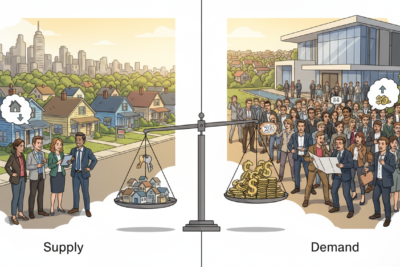
- How Supply and Demand Shape Local Markets
- The Impact of Economic Indicators on Housing
- Why First-Time Buyers Face Unique Challenges
- Analyzing the Influence of New Construction
- How Inflation and Currency Value Affect Real Estate
- The Connection Between Employment and Housing Demand
- Evaluating the Effect of Government Housing Reforms
- Navigating the Current Market as a Potential Buyer
- Preparing for Future Shifts in the Housing Landscape
- FAQ
Understanding Why Home Prices Change USA

National averages have shifted from a post-pandemic sprint to a steadier pace of gains. The S&P Case‑Shiller U.S. National Home Price Index rose 0.9% year over year in January 2026, a sign that broad growth has slowed.
National Price Trends
Seasonally adjusted data show mixed momentum. Some months bring small gains, others flat reads. Inflation and household income trends matter because they shape demand and buying power.
Regional Market Variations
Local supply and demand create sharp contrasts across states. J.P. Morgan Global Research estimates a shortage near 1.2 million homes, which keeps median values elevated in tight markets.
- Slower national growth but uneven across markets.
- Supply gains in recent months help cool the hottest areas.
- Shortage of homes sustains price pressure in many states.
| Indicator | Recent Value | Impact |
|---|---|---|
| Case‑Shiller Y/Y | +0.9% | Modest national growth |
| Estimated shortage | 1.2M homes | Supports median values |
| Supply trend | Increasing | Eases competition in some markets |
For a formal national update, see the national house-price release, and for timing on sales consider this best time to sell guide.
The Role of Mortgage Rates in Your Buying Power

Small shifts in mortgage rates can rewrite the budget you set for a house. On April 16, 2026, Freddie Mac reported the average 30-year fixed mortgage rate at 6.30%. That single figure alters monthly payments and your practical price range.
Higher rates raise your monthly payment. That often forces you to reduce the purchase price or delay buying. For a median-priced home, even a half-point move changes affordability noticeably.
Key impacts to consider:
- Rising interest rates increase borrowing costs and shrink buyer demand.
- Small rate changes shift total interest paid over the loan life.
- Investors must weigh mortgage costs against other services and investment options.
Understanding inflation and rate interaction helps you plan a realistic budget. Use our guide on home affordability basics to compare scenarios and estimate monthly payments.
| Indicator | Value | Effect |
|---|---|---|
| 30‑yr fixed | 6.30% (Apr 16, 2026) | Raises monthly cost; cuts buying range |
| Affordability | Declines as rates rise | Fewer qualified buyers today |
| Investment outlook | Higher borrowing costs | Lower long-term yield unless prices adjust |
How Supply and Demand Shape Local Markets
When sellers with low mortgage rates stay put, local inventories shrink and competition rises. That lock-in effect is a key reason many markets remain tight.
In March 2026, existing-sales fell 3.6% to a 3.98 million annual pace. Unsold inventory rose to 1.36 million units, or 4.1 months of supply. Those figures matter to your buying plan.
The Lock-in Effect of Existing Mortgages
Homeowners with low mortgage rates face higher costs if they move. So they delay listing. That limits supply even when demand is soft.
- Limited supply keeps the median price elevated across many local markets.
- Fewer options mean buyers compete more and have less leverage.
- Higher mortgage rates in recent months reduce turnover and slow sales.
| Indicator | March 2026 | Effect |
|---|---|---|
| Existing-home sales | 3.98M annual pace | Down 3.6% |
| Unsold inventory | 1.36M units | 4.1 months of supply |
| Market impact | Supply constrained | Keeps price pressure |
Understanding this dynamic helps you set realistic expectations. You can tailor offers and timing to local supply trends and avoid common bidding mistakes.
The Impact of Economic Indicators on Housing
Clear economic signals give you a direct read on future demand for housing and buyer power.
In March 2026, non-farm payrolls rose by 178,000 and unemployment was 4.3%. Wages climbed about 3.5% year over year.
Those figures support household wealth and help more people manage monthly mortgage payments. That can stabilize the housing market even when borrowing costs are elevated.
Still, persistent inflation and higher mortgage rates limit how much buyers can bid. Demand softens when borrowing costs rise, which puts downward pressure on median price growth in some states.
Track payrolls, wage growth, and inflation to understand supply shifts and long-term investment potential. Use these indicators to shape your purchase timeline and estimate payments.
| Indicator | March 2026 Value | Effect on Market |
|---|---|---|
| Non-farm payrolls | +178,000 | Supports demand and sales activity |
| Unemployment rate | 4.3% | Underpins household stability |
| Average hourly earnings | +3.5% Y/Y | Improves buying power and payment capacity |
| Mortgage & interest rates | Higher than recent lows | Raises borrowing costs; cools competition |
Why First-Time Buyers Face Unique Challenges
Getting from renter to owner now requires more savings, more patience, and clearer planning than before.
The National Association of Realtors’ affordability index remains well below the threshold that a typical household needs to qualify for a median-priced home. That gap means many new buyers cannot meet loan requirements for a starter property.
Limited income growth has not kept pace with rising house values. You will often need extra time to build a down payment and strengthen your credit profile.
Access to financial services and credit is a major hurdle when inventory is low and competition is high. Higher mortgage costs add pressure on monthly budgets.
- Plan for more time to save and improve qualifications.
- Use reliable data to compare programs and timing.
- Seek services that guide first-time buyers and explore assistance options.
For additional context on affordability trends, see this housing affordability analysis. Understanding these barriers helps you make a realistic, step-by-step path to ownership.
Analyzing the Influence of New Construction
Builder activity is shifting supply dynamics and offering fresh paths to affordability. January 2026 new single-family sales ran at a 587,000 annual pace with about 9.7 months of inventory. That level of supply changes buyer options in many states.
The NAHB/Wells Fargo Housing Market Index sat at 34 in April 2026, signaling downside confidence among builders. Despite weaker sentiment, builders are using incentives to keep sales moving.
Builder Incentives and Rate Buydowns
Many builders now offer rate buydowns that lower initial mortgage costs. These incentives can cut the effective price of a new house and make monthly payments more manageable.
For you, that means a new build may feel cheaper than the sticker suggests. Evaluate the net cost over several years, not just the upfront offer.
Inventory Levels
Rising starts have increased supply of homes, easing some pressure on median values in tight markets. Nine to ten months of inventory suggests builders can meet more of current demand.
- Sales and months of supply: higher levels reduce bidding extremes.
- Incentives: they counteract inflation and high mortgage rates for buyers.
- Market signal: builder data helps predict future home price growth.
| Indicator | Value | Implication |
|---|---|---|
| New single-family sales | 587,000 (Jan 2026) | Rising supply |
| Months of inventory | 9.7 | More choices for buyers |
| NAHB confidence | 34 (Apr 2026) | Builders cautious; still offering incentives |
Use these insights and the information above to decide if a new construction investment suits your budget and timing. Builders’ offers can be powerful, but assess long-term mortgage costs and local market growth before you commit.
How Inflation and Currency Value Affect Real Estate
Inflation alters the real value of your property even when dollar prices look higher. Currency moves can mask losses in purchasing power. You must compare nominal gains to real returns to judge an investment correctly.
When inflation rises, central banks often lift interest rates. That pushes mortgage costs up and cools buyer demand in the housing market.
- High inflation reduces the real value of savings and can erode long-term gains on homes.
- Rising rates raise monthly mortgage costs and narrow what you can afford.
- Currency weakness means median price moves may not reflect real asset returns.
| Factor | Typical Effect | What you should watch |
|---|---|---|
| Inflation | Reduces real value | Compare nominal gains to inflation-adjusted returns |
| Interest-rate moves | Raise borrowing costs | Monitor mortgage rates and payment impact |
| Dollar value | Changes cross-asset comparisons | See the dollar value and inflation effects for deeper context |
The Connection Between Employment and Housing Demand
A brisk job market gives buyers the confidence and income needed to act in local housing markets.
Wage growth matters: average hourly earnings rose 3.5% over the 12 months ending in March 2026, which supports housing demand and helps more households qualify for a mortgage.
When income growth keeps pace with inflation, it supports the median value of homes and keeps the market active across many states.
Wage Growth and Household Income
Seasonally adjusted employment data often leads sales trends. Rising payrolls typically signal stronger demand and more confident buyers.
Stable jobs encourage purchases, drive local investment, and boost long-term market growth. Your personal income and employment status directly affect your ability to secure mortgage approval and monthly payments.
- Employment strength underpins demand and supports sales activity.
- Wage growth that matches inflation sustains median values.
- Seasonally adjusted data helps you predict short-term shifts.
| Indicator | Effect | Action |
|---|---|---|
| Wage growth +3.5% | Supports mortgage qualification | Review your budget |
| Employment gains | Lift demand | Time offers to local cycles |
| Seasonally adjusted data | Leads sales | Watch monthly reports |
For broader demographic context, see the Treasury's piece on rent, house prices and demographics.
Evaluating the Effect of Government Housing Reforms
New federal actions target investor activity and the secondary mortgage market to boost buyer access.
Two headline moves are on the table: a ban on large institutional purchases of single‑family properties, and a $200 billion MBS buy program through Freddie Mac and Fannie Mae.
These steps aim to improve affordability for first‑time buyers and expand mortgage liquidity. They may reduce investor competition in some neighborhoods and support lower borrowing costs for retail buyers.
Expect limited immediate impact on the median home price. Supply constraints and local demand will still drive most value shifts. Still, targeted reforms can improve access to credit and related services for more households over time.
- Affordability: Programs can nudge rates down, improving monthly budgets.
- Income and qualifying: Changes to thresholds may let more buyers qualify for a mortgage.
- Services: Expanded MBS purchases can increase lender capacity to serve first‑time buyers.
| Policy | Primary Goal | Likely Effect |
|---|---|---|
| Ban on institutional buyers | Raise buyer access | Reduces investor competition in select markets |
| $200B MBS purchases | Lower rates, boost liquidity | Helps lenders offer more loans; modest downward pressure on mortgage costs |
| Higher income thresholds | Expand qualifying pool | More first‑time buyers can enter market; local demand may rise |
Stay informed so you can plan offers and financing that fit your budget. For deeper policy context, see this policy research and practical guidance on how to buy a house in the U.S.
Today’s buyers often find more bargaining power as listings outnumber active bidders in several markets. Redfin reported 50% more sellers than buyers in March 2026, which opens room for stronger offers and concessions.
Negotiating in a Slower Market
Use leverage when supply exceeds demand. Ask for seller credits, extended inspections, or price adjustments rather than competing on escalation clauses.
Target areas where sales and growth have cooled. You can often secure a fair price and avoid bidding wars in those pockets.
Assessing Monthly Payments
With mortgage rates elevated, run monthly-payment scenarios before you shop. Factor interest rates, taxes, insurance, and expected maintenance into your range.
Focus on total costs to set an affordable purchase threshold and avoid stretching your budget for a slightly lower sticker price.
Renting Versus Buying
Compare rent growth, inflation, and local months of inventory to decide. If renting is significantly cheaper and savings can grow faster than expected house appreciation, waiting may be smart.
When you’re ready, use data and tools to lock in mortgage rates or consider temporary buydowns offered by builders. For a strategic view of the broader outlook, consult the J.P. Morgan outlook.
- Tip: Prioritize neighborhoods where demand is cooling to improve negotiation power.
- Tip: Use a payment-first approach to define your purchase range.
Preparing for Future Shifts in the Housing Landscape
Prepare for market swings by tracking inflation, mortgage rates, and local inventory trends.
Keep an eye on mortgage and interest rates because small moves alter monthly payments and your buying range. Use the information provided here to watch median readings across states and spot where demand meets supply.
Protect your wealth by focusing on long-term fundamentals: steady wage growth, reasonable debt levels, and sensible investment choices. These evergreen insights help you navigate volatility and make smarter offers when you buy homes.
Stay informed, run payment scenarios, and prioritize clarity over timing. That approach gives you the best chance to preserve capital and capture growth as the market evolves.
FAQ
What drives national price trends and how does that affect your buying power?
Mortgage rates, inflation, economic growth, and housing supply directly influence national home prices and buyer affordability.
How do regional market variations influence what you pay?
Local employment, migration, inventory levels, zoning rules, and land availability create major price differences between regions.
In what ways do mortgage rates change your monthly payment and purchase ability?
Higher mortgage rates increase monthly payments and reduce affordability, while lower rates improve borrowing power.
How does the supply-and-demand balance shape local listings and sale prices?
Low inventory and strong buyer demand usually increase prices, while excess inventory tends to soften market values.
What is the lock-in effect of existing mortgages and why does it matter to you?
Homeowners with low-rate mortgages may avoid selling, reducing available inventory and increasing competition for buyers.
Which economic indicators should you watch that influence property values?
Important indicators include inflation, employment growth, wages, interest rates, consumer confidence, and local housing inventory.
Why do first-time buyers face special obstacles today?
First-time buyers often struggle with rising prices, higher rates, limited savings, and intense competition from investors and repeat buyers.
How does new construction affect pricing in your neighborhood?
New housing developments can increase inventory and reduce price pressure when supply begins to meet local demand.
What role do builder incentives and rate buydowns play when you negotiate?
Builder incentives and temporary rate buydowns can lower upfront costs and improve monthly affordability for buyers.
How do inventory levels influence how you should strategize an offer?
Low inventory may require aggressive offers, while higher inventory often allows more negotiation flexibility and concessions.
In what ways do inflation and currency value affect real estate as an investment?
Inflation can increase property values and rents, while currency fluctuations influence foreign investment activity and affordability.
How does employment influence housing demand where you want to buy?
Strong job growth attracts residents and increases housing demand, often driving higher prices and rental rates.
Why is wage growth and household income important for your purchase decision?
Rising incomes improve affordability and long-term housing stability, while stagnant wages can limit purchasing power.
What effects do government housing reforms have on affordability and supply?
Zoning reforms, subsidies, tax incentives, and lending changes can influence housing availability, pricing, and development activity.
How should you approach negotiating in a slower market?
Buyers often gain leverage in slower markets and may negotiate lower prices, repairs, or seller-paid closing costs.
How do you assess monthly payments and overall affordability before making an offer?
Calculate mortgage payments, taxes, insurance, HOA fees, and maintenance costs using conservative budgeting assumptions.
When does renting make more sense than buying in today’s market?
Renting may be preferable when flexibility, short-term plans, or high ownership costs outweigh potential long-term appreciation.
What should you do now to prepare for future shifts in the housing landscape?
Improve credit, reduce debt, increase savings, monitor local trends, and stay financially prepared for changing market conditions.
If you want to know other articles similar to Why Home Prices Change USA How It Affects Your Buying Power You can visit the category Real Estate.
Housing Market Basics USA for Beginners What to Expect
What You Need to Know About Supply and Demand in Housing USA

Real Estate Commission Explained USA What You Should Know

Buyer Agent vs Seller Agent USA Differences You Should Know

Benefits of Using a Real Estate Agent for Your Home

Questions to Ask Your Property Agent Before Buying
Leave a Reply
VISIT THESE INTERESTING ARTICLES📚