

How Loans Work Simple Explanation for Your Finances
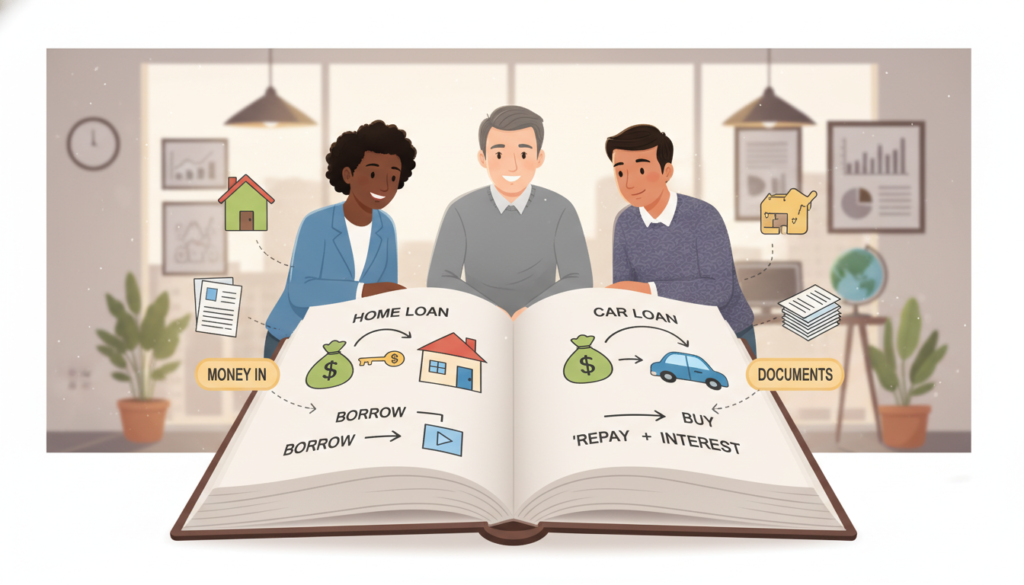
Can one clear, small plan save you thousands in interest and months of stress?
You deserve clear information before you borrow money. A loan is money you receive from a lender with an agreement to repay it over time, usually with interest. Knowing the terms, rate, and repayment schedule helps you pick the right option for your budget.
Check your credit history and income before you apply. That simple step can affect the interest rates and loan amount you qualify for. Personal loans and mortgages offer different terms, so compare offers and learn the full cost of borrowing.
Plan your payments and understand principal versus interest so you can pay back debt faster and save on costs. For a clear primer on the process, see this lender guide or this practical overview of personal loan options: personal loan details.
Table of Contents
- Understanding How Loans Work Simple Explanation
- The Core Components of Your Loan Agreement
- How Interest Rates and APR Impact Your Costs
- Navigating the Loan Application Process
- Common Types of Loans Available to Borrowers
- Secured Versus Unsecured Borrowing Options
- Managing Your Repayment Schedule Effectively
- Final Thoughts on Responsible Borrowing
- FAQ
Understanding How Loans Work Simple Explanation

Gather your ID, proof of income, and recent pay stubs to speed up lender review. When you submit an application to a bank, credit union, or online lender, these documents help verify your identity and income.
The lender reviews your credit score, employment history, and other information to judge creditworthiness. That decision determines whether your application is approved or denied and what interest rate and amount you may receive.
If approved, you sign a contract that lists the interest rate, repayment terms, and monthly payment schedule. After funding, you must make regular payments until the balance is repaid in full.
Missing a payment can lower your credit score and trigger fees. Many borrowers set up automatic payments to avoid missed due dates and protect their score.
Understanding these steps lets you compare offers, evaluate rates and terms, and pick the best option for your money needs. For a detailed look at different mortgage choices, see this mortgage overview, or review federal guidance on available options here.
The Core Components of Your Loan Agreement

Focus on the contract items that shape your monthly cost and total repayment. A clear read of the agreement helps you spot fees, timelines, and conditions that affect your money over time.
Principal Balance
Principal is the original loan amount you borrow. For example, if you borrow $15,000, that is your starting principal balance.
Each monthly payment reduces this balance. Over time, less goes to interest and more pays principal, lowering the debt until the account reaches zero.
Loan Terms
Term defines the repayment period. A 60-month term means you commit to monthly payments for five years.
Shorter terms often raise monthly payments but cut the total interest you pay. Longer terms lower the monthly payment but increase interest paid over the period.
"Always read the fine print to know the total amount you will repay and any fees that change the cost."
- The agreement lists the interest rate and any fees charged by lenders.
- Secured deals like mortgages may require a down payment of about 3%–20% of the home price.
- Your credit score and income help determine the rate and loan amount you receive.
Tip: For guidance on contract clauses and negotiating terms, see this personal loan agreement advice or this personal loans guide.
How Interest Rates and APR Impact Your Costs
Interest and APR determine how much you actually pay over the life of a loan. The interest rate is the percentage of the principal that the lender charges you for borrowing money. APR expands that view by adding financing fees so you can compare offers more accurately.
Fixed rates remain the same for the term, so your monthly payment stays steady. That stability helps with budgeting and long-term planning.
Variable rates often start lower but can rise with market shifts. That means your payment and total costs may increase over time, which raises risk if your credit score or income changes.
"Lenders must disclose the APR, which gives a clearer picture of total borrowing costs."
- The interest rate is the percentage charged on the principal.
- APR includes interest and extra fees, showing the real cost borrowing.
- Your credit score affects the rate a lender offers; higher scores usually earn lower interest.
Tip: Compare APRs, not just nominal rates, when evaluating offers. For details on mortgage pricing and interest, see mortgage interest explained.
Begin with a clear picture of your monthly cash flow to decide an affordable loan amount. Calculate your debt-to-income ratio; lenders prefer a DTI under 36% because it shows you can manage new payments without strain.
Most lenders will check your credit history and credit score during the application. Gather tax returns, recent pay stubs, and a government ID to speed verification.
Be ready to explain the purpose and exact amount you need. That clarity helps lenders set terms and a fair interest rate and shortens the review time.
- Compare interest rates and terms from several lenders before you sign.
- Consider a co-signer if your score is low; this can improve your rate.
- Avoid predatory offers that promise instant money without checking credit.
"Successful applications come from patience, organization, and honest income information."
For an inside look at lender checks and approval steps, read this lender evaluation guide.
Common Types of Loans Available to Borrowers
You’ll find several common credit products that serve different goals—pick one that matches your budget and timeline.
Personal Loans
Personal loans are flexible. You can use them for home improvements, medical bills, or to consolidate high-interest debt.
Many borrowers consolidate balances to secure a lower interest rate and simplify monthly payments. Approval depends on your credit history, income, and score.
Mortgages
Mortgages are secured by the property and usually offer lower rates than unsecured credit. The loan amount, term, and down payment shape your monthly payment and total interest.
Because the house is collateral, lenders often require appraisal and proof of income before approval.
Student Loans
Student loans help cover higher-education expenses. The average total cost for an in-state college is about $30,990 for 2025–2026, so careful planning matters.
Federal options give a six-month grace period after graduation and repayment plans that can extend 10, 15, 20, or 25 years depending on the program.
- Choose the type that fits your timeline and monthly budget.
- Compare interest rates and terms from several lenders before you apply.
- Learn more about related debt categories at types of debt.
Secured Versus Unsecured Borrowing Options
When you choose between secured and unsecured borrowing, the level of risk and available interest rates change significantly.
Secured credit requires collateral, such as a car or a home. That asset lowers lender risk and often results in a lower interest rate on your loan.
Unsecured personal options do not use property as collateral. Lenders approve those offers based on your credit history and financial stability. Because risk is higher, the rate and interest can be greater.
Key points to compare:
- Collateral reduces lender risk but exposes your asset if you default.
- Unsecured choices rely on your credit score; strong scores secure better rates.
- Review terms, total interest, and monthly payments before you sign.
"Many lenders offer both secured and unsecured options, so compare the total cost across offers."
For a deeper look at secured vs unsecured personal loans and to explore unsecured personal options, review lender disclosures and sample terms before committing.
Managing Your Repayment Schedule Effectively
Prioritize payments that carry the highest interest to reduce your total cost faster.
Avoiding Late Payment Penalties
Set up automatic payments for each monthly payment to avoid missed due dates. This simple step keeps your account current and shields your credit from one-off slips.
If you miss a payment, expect added fees and more interest. Those charges raise the amount you owe and can slow progress toward paying down principal.
Contact your lender immediately if a payment is at risk. Many lenders offer short-term adjustments or hardship plans that prevent penalties and protect your score.
- Track your balance regularly so you know progress and remaining term.
- Prioritize higher-rate debt first to cut total interest paid over time.
- Keep a small cash buffer in your checking account for scheduled payments.
"Timely payments protect your credit score and reduce the long-term cost of borrowing."
Stick to your repayment schedule and review statements monthly. By doing so you protect your financial health and make steady progress toward paying back the loan.
Final Thoughts on Responsible Borrowing
Keep a clear budget and a short plan before you borrow. A modest savings buffer and realistic monthly targets protect your credit and budget. This helps you meet each scheduled repayment and avoid surprises.
Research any lender carefully and read terms before you sign. Treat a personal loan as a tool: it can meet goals but needs steady attention and clear priorities.
If you feel overwhelmed, contact your lender for support options and consider counseling. For practical tips and guidance on responsible borrowing, review this responsible borrowing guidance.
Stay proactive, stay informed, and use credit intentionally to build a stronger financial future.
FAQ
What is the principal balance on a loan?
The principal balance represents the borrowed amount still unpaid after previous payments reduce the original debt gradually.
How does the loan term affect your monthly payments?
Shorter terms increase payments but reduce interest, while longer terms lower payments and increase borrowing costs overall.
What’s the difference between fixed and variable rates?
Fixed rates remain stable, while variable rates fluctuate according to changing market and economic lending conditions regularly.
How do interest rates and APR impact the total cost?
Interest rates affect borrowing expenses, while APR includes additional lender fees and annual financing costs combined together.
What steps are involved in the loan application process?
Applications require personal information, income verification, credit checks, underwriting review, approval decisions, and loan funding procedures.
What types of personal loans are available?
Available options include unsecured loans, secured financing, installment borrowing, and credit-builder lending programs for consumers.
How do mortgages differ from other loans?
Mortgages use property as collateral, offer longer repayment terms, and generally provide lower interest rates overall.
What should you know about student loans?
Student loans may include federal protections, flexible repayment options, deferment opportunities, and varying interest structures available.
What’s the difference between secured and unsecured borrowing?
Secured loans require collateral, while unsecured borrowing depends mainly on creditworthiness and financial repayment history factors.
How can you manage your repayment schedule effectively?
Create budgets, automate payments, review statements regularly, and prioritize on-time obligations to avoid financial penalties consistently.
What happens if you make a late payment?
Late payments may trigger fees, increase interest, damage credit scores, and potentially lead to collection activity later.
How does your credit score affect your borrowing options?
Higher scores improve approval chances and reduce rates, while lower scores restrict financing opportunities and loan flexibility.
Can you refinance to get a lower rate?
Refinancing replaces existing debt with new terms potentially lowering interest costs and monthly repayment obligations significantly.
How do income and debt-to-income ratio influence approval?
Lenders compare debts against income to evaluate repayment ability and determine acceptable financial borrowing risk levels overall.
What fees should you watch for in loan offers?
Review origination charges, penalties, processing fees, and closing expenses before agreeing to any financing terms carefully.
Is it better to pay extra toward your loan principal?
Extra principal payments reduce balances faster, lower total interest costs, and shorten repayment periods over time significantly.
If you want to know other articles similar to How Loans Work Simple Explanation for Your Finances You can visit the category Basics.
Credit Basics USA Explained to Help You Build Strong Credit

Understanding Interest Rates Basics What You Need to Know

Real Estate Basics USA Your Guide to Smart Home Buying

Buying New Construction USA How to Buy with Confidence

New Build vs Resale Property USA Pros and Cons Explained

What to Consider Before Buying a Home Expert Advice
Leave a Reply
VISIT THESE INTERESTING ARTICLES📚