

What to Consider Before Buying a Home Expert Advice

Could a single checklist save you thousands and spare months of stress?
You are stepping into a major life move, and clear steps help protect your money and future. Start by sizing your budget with tools like NerdWallet’s affordability calculator. Follow the 28/36 rule so mortgage payments fit your income.
Location is permanent; choose an area that supports your family, schools, and long-term value. Expect closing costs near 2%–6% of the purchase price and plan for insurance, taxes, and fees.
Hire a trusted agent and get a professional home inspection to flag system issues before finalizing an offer. Compare lenders, lock a sensible interest rate, and protect credit to qualify for better loan terms.
With careful planning, smart inspections, and clear budgeting, you can turn a house into a solid investment for your life.
Table of Contents
- Assessing Your Financial Readiness
- Defining Your Must-Haves and Lifestyle Needs
- What to Consider Before Buying a Home in Your Target Area
- Evaluating Different Property Types
- Understanding the Role of Home Inspections
- Navigating Mortgage Options and Interest Rates
- Planning for Closing Costs and Fees
- Strategic Ownership and Asset Protection
- Managing the Transition from Offer to Closing
- Final Steps Toward Successful Homeownership
- FAQ
Assessing Your Financial Readiness
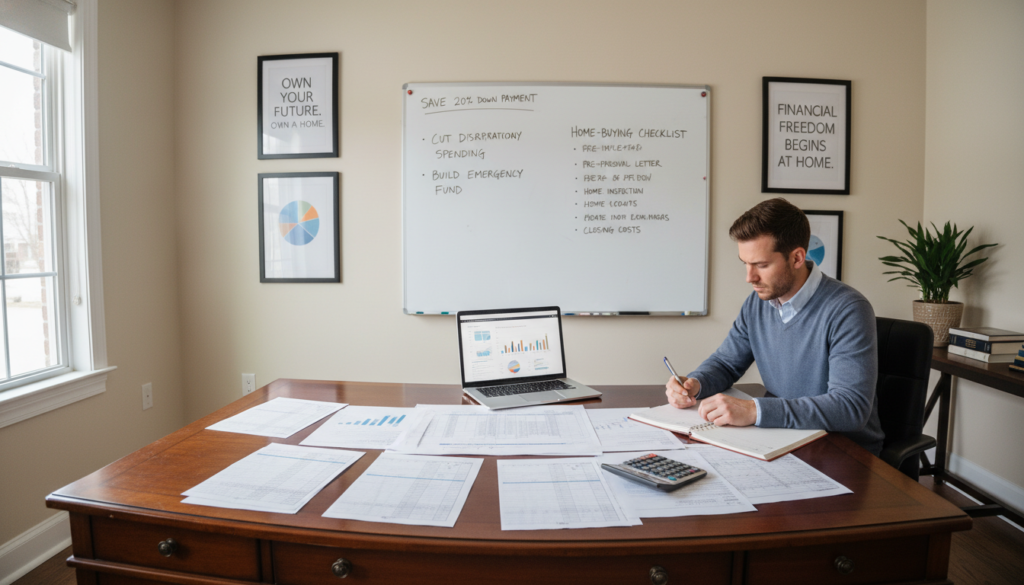
Start by measuring your monthly cash flow so future mortgage payments fit your lifestyle.
Build a clear budget first. Use the 28/36 rule: limit housing costs to 28% of your gross income and total debt to 36%. That gives you a safe ceiling for a monthly payment and helps estimate property taxes, insurance, and other fees.
Budgeting for Monthly Payments
Factor mortgage, taxes, and homeowners insurance into one monthly figure. Add an emergency buffer for unexpected costs.
Saving for a Down Payment
Higher down payments lower your loan amount and can earn a better interest rate from lenders. Aim for consistent savings and watch your credit score lenders use it to set loan terms.
- Plan yearly maintenance at about 1% of the home's price.
- Include closing costs and estate fees in your total cost estimate.
A conservative budget keeps your purchase sustainable and reduces future stress.
Defining Your Must-Haves and Lifestyle Needs

Pinpoint the essentials that will shape daily life and long-term value.
Start by separating essentials from nice-to-haves. List the rooms, layout, and location requirements that match your current life and plans.
Work with an agent who understands your priorities. A good professional filters the market and shows only homes that fit your checklist.
Think about commute time, school access, and how a house layout supports routines. Bedrooms, storage, and flexible spaces matter for both daily comfort and resale value.
"Prioritize the features you cannot change; compromise on the rest."
In a hot market you may need to give up some perks. Focus on irreversible aspects like structure, lot, and neighborhood character.
Choose flexibility. Pick a property that adapts as your needs evolve so the estate can support life changes without costly renovations.
What to Consider Before Buying a Home in Your Target Area
Neighborhood choices shape long-term value and daily routines more than any renovation.
Start by checking safety, schools, and nearby services. Visit the location at morning, midday, and evening. This reveals traffic, noise, and the real pace of life.
Researching Neighborhood Amenities and Schools
Schools: High-quality schools often push property value up, even for buyers without kids. Confirm ratings, commute times, and district plans.
Daily access: Look for grocery stores, parks, clinics, and transit. These reduce long-term costs and support family life.
"You can change a house, not the neighborhood; pick an area that fits your future plans."
| Factor | Why it matters | Quick check |
|---|---|---|
| Safety | Protects value and quality of life | Crime maps, local police stats |
| Flood risk & insurance | Affects long-term costs and loan approvals | FEMA maps, insurer quotes |
| Market trends | Indicates appreciation potential | Agent reports, recent sale prices |
| Commute & amenities | Daily time, transport costs, convenience | Test drives at peak hours |
Work with an experienced real estate agent who knows local market trends and can help craft a strong offer. If you may relocate, read this guide for buying out-of-area purchases: buying a house out of state.
Evaluating Different Property Types
Different property types shape costs, upkeep, and daily life in ways that matter for years.
Detached single-family houses give privacy, a yard, and clear control over upgrades. They often hold long-term value for families who plan to stay and expand.
Condos and townhouses provide lower maintenance and shared amenities. For many first-time buyers, this offers an affordable entry point and less weekend upkeep.
"Balance privacy and convenience: an HOA can simplify life but adds rules and fees."
- Match the property type to your family size and future plans.
- Factor HOA fees and rules when evaluating condos or townhouses.
- Ask an agent to compare projected appreciation and local market value.
- Decide if you need a private yard or prefer managed common spaces.
Use checklists and expert questions when you tour listings. See a helpful needs list and a guide on questions for your agent: needs and wants checklist and questions to ask your property agent.
Understanding the Role of Home Inspections
A detailed inspection reveals issues that simple tours often miss.
Why an inspection matters: A professional inspection checks major systems HVAC, electrical, plumbing and reports on the roof and foundation. Inspectors find hidden problems like broken sewer lines, invasive roots, or past water damage that can affect future insurance and loan approval.
Identifying Major System Issues
Inspectors test systems for safety and function. This helps you avoid inheriting costly repairs or hazards after closing.
Checking for Structural Damage
Structural checks look for foundation cracks, sagging floors, and roof problems. Even small signs can signal major repair needs.
- Protect your budget: Use the inspection report to negotiate repairs or a price reduction with the seller.
- Use your agent: Ask your real estate agent for trusted inspectors who have the time and expertise to inspect thoroughly.
- Plan maintenance: The report clarifies short-term maintenance needs so you can budget for the first years of ownership.
"A thorough inspection is the best defense against surprise repairs and unexpected costs."
For step-by-step buying tips and a broader guide, see this resource on how to buy a house in.
Your loan choice will decide whether monthly payments stay steady or shift with the market.
Fixed-rate mortgages give predictable monthly payment and protection from rising interest. They work well if you plan to stay long term and want steady costs.
Adjustable-rate mortgages (ARMs) often start with lower rates. They can save money if you expect a short ownership period or higher income later. But rates can rise, increasing your payment.
Compare lenders and lock a favorable rate when market signals point up. Your credit and down payment affect the rate and overall costs.
- Jumbo loans suit high-price properties.
- Portfolio loans help buyers with unique income or credit situations.
- Calculate how down payment size changes total interest paid and purchase power.
"Choose a mortgage that fits your budget, income, and long-term plans."
| Mortgage Type | Best For | Risk |
|---|---|---|
| Fixed-rate | Long-term owners | Higher initial rate, stable payments |
| ARM | Short-term owners or rising income | Rate changes, payment uncertainty |
| Jumbo / Portfolio | High price or unique credit | Stricter underwriting, variable terms |
For tactical guidance on locking rates and current market context, see this mortgage rate guide. First-time buyers may also find this buyer guide useful.
Planning for Closing Costs and Fees
Closing brings many one-time fees that can reshape your final budget.
Estimate total closing expenses at roughly 2%–6% of the home's purchase price. These charges cover appraisals, title searches, lender fees, and other administrative services tied to the mortgage and property transfer.
Review the closing disclosure carefully. It shows each fee, the final loan number, prepaid property taxes, and homeowners insurance collected at closing.
Estimating Total Closing Expenses
Talk with your agent and attorney about which fees can be negotiated and which are fixed. Use the disclosure to match charges against your loan estimate and avoid unexpected payment gaps.
- Plan ahead: Build these one-time costs into your purchase budget so you don't face last-minute shortfalls.
- Include prepaid items: Property taxes and insurance often appear as upfront line items at closing.
- Verify charges: Confirm inspection, appraisal, and title fees align with your expectations and lender paperwork.
"Being prepared for closing costs prevents last-minute surprises and ensures a smooth transition into your new home."
For a detailed breakdown of typical charges, see this guide on closing costs explained. If you need help sizing what you can afford overall, check this home affordability basics.
Strategic Ownership and Asset Protection
Protecting your investment starts with choosing the right legal ownership and insurance layers.
Holding title in a trust or an LLC can add privacy and shield your property from many personal lawsuits. These structures also can simplify estate transfer and may offer estate tax planning benefits.
Discuss your plan with a financial advisor and your attorney. They help you weigh mortgage rules, lender requirements, and the impact on loan terms and interest rates.
Insurance and gifting rules matter. Umbrella insurance adds protection, especially for properties with higher risk features like a pool. Parents can gift up to $18,000 per recipient yearly under IRS rules without gift-tax reporting; make sure gifted funds are traceable for mortgage approval.
- Use trusts or LLCs to limit personal exposure and smooth estate distribution.
- Review mortgage, property taxes, and closing fees within your wealth plan.
- Verify gifted down payment documentation with your lender to avoid loan delays.
"Proper planning for taxes and asset protection ensures your property serves as a secure foundation for long-term financial growth."
Plan early. Clear ownership choices, solid insurance, and lender-ready records keep your purchase an asset, not an unexpected liability.
Managing the Transition from Offer to Closing
The days between an accepted offer and closing demand steady coordination and careful timing.
Keep your team aligned. Work closely with your agent, lender, and attorney so paperwork moves on schedule. Finalize your mortgage and lock your interest rate early to guard against market swings.
Complete the home inspection and appraisal promptly. These steps confirm value and reveal any issues that affect the purchase price or loan approval.
Plan a final walkthrough. Verify the seller removed personal items and that agreed repairs were done. Confirm the property meets the contract condition before signing final documents.
- Review the closing disclosure by law you must receive it at least three business days before closing.
- Prepare closing costs and funds, such as a certified check, and verify wire instructions with your agent.
- Keep credit steady; avoid new debt or large purchases that could affect loan approval.
"Stay organized and communicate clearly with your professional team this transition is the last step toward homeownership."
Finish with care. Accurate reviews and timely action protect your budget and secure the new home for your family.
Final Steps Toward Successful Homeownership
Close confidently by tying together budgets, inspections, and final paperwork. This last phase seals your purchase and starts true homeownership.
Keep important records mortgage papers, closing costs receipts, and insurance documents in a secure folder. Stay in contact with your agent and monitor the local market and estate taxes so future choices are informed.
Set an upkeep fund and schedule basic maintenance to protect value. If you need guidance on final steps, review steps to homeownership or this property buying process overview.
Enjoy moving in. You planned well, handled mortgage details, and prepared for closing. Now focus on making this house your long-term home.
FAQ
How do you assess your financial readiness for a house purchase?
Review income, debts, savings, credit reports, and estimated mortgage obligations before beginning your property search process.
How much should you budget for monthly mortgage payments?
Include principal, interest, taxes, insurance, and additional housing costs when estimating affordable monthly mortgage obligations.
What’s a realistic down payment target?
Many buyers target twenty percent down, though lower down-payment financing programs are also widely available today.
How should you define must-haves versus nice-to-haves in your checklist?
Prioritize essential needs first, then rank secondary preferences to avoid emotional or financially impractical purchase decisions.
What matters most when researching a target neighborhood?
Evaluate schools, safety, transportation, amenities, traffic, community growth, and overall long-term neighborhood desirability carefully.
How do property taxes and local fees affect affordability?
Taxes, HOA dues, and assessments increase monthly housing costs and significantly influence long-term property affordability overall.
What are the differences between single-family, condo, and townhouse ownership?
Each property type differs in maintenance responsibilities, privacy levels, land ownership, and homeowners association requirements substantially.
Why are professional home inspections important?
Inspections identify hidden issues involving roofing, plumbing, electrical systems, HVAC performance, and structural safety concerns early.
What major system issues should you watch for during inspection?
Focus on foundations, roofing, plumbing, electrical panels, HVAC systems, and water damage indicators during evaluations carefully.
How can you identify structural damage early?
Watch for cracks, uneven flooring, sticking doors, and water stains indicating potential structural property concerns developing.
How do mortgage types and interest rates influence your purchase?
Loan structure and rates directly affect affordability, monthly obligations, total interest, and long-term financial flexibility overall.
What closing costs should you plan for?
Closing costs usually include lender fees, insurance, appraisals, escrow charges, taxes, and title-related service expenses.
How can you estimate total closing expenses accurately?
Review lender disclosures carefully, compare service providers, and request detailed breakdowns before final settlement appointments occur.
What legal or ownership protections should you set up after purchase?
Consider title insurance, estate planning documents, and proper ownership structures protecting future property rights effectively.
How do you move from an accepted offer to closing smoothly?
Meet deadlines, provide requested documents quickly, complete inspections, and maintain communication with involved professionals consistently.
What steps finalize successful homeownership after closing?
Transfer utilities, review mortgage schedules, maintain insurance coverage, and budget for future property maintenance expenses regularly.
How does credit score impact loan options and interest rates?
Higher scores improve financing eligibility and usually secure lower rates and more favorable mortgage borrowing conditions.
Can buying a house be a good long-term investment?
Real estate may build equity and appreciation over time depending on location, market conditions, and ownership costs.
When should you hire a real estate agent and what should you expect?
Hire experienced representation early for market guidance, negotiations, inspections, financing coordination, and transaction management support.
If you want to know other articles similar to What to Consider Before Buying a Home Expert Advice You can visit the category House for Sale.
Pros and Cons of New Homes for Your Next Purchase

New vs Old Homes USA A Guide to Making the Right Choice

Resale Home Advantages USA Every Buyer Should Know

How Mortgage Works USA Guide for Your First Home Loan

Understanding the Types of Debt USA You Should Know

How Lenders Evaluate Applications and What You Should Know
Leave a Reply
VISIT THESE INTERESTING ARTICLES📚