
Key Factors Affecting Credit Score for Your Financial Health

Can one simple habit today change the way lenders see you tomorrow? That question matters if you plan to buy a car, rent an apartment, or apply for a loan. You will learn clear steps to protect your financial future.
Start by checking your credit report from the major bureaus and watching your payment history. Small habits, like paying on time and keeping balances low, have big effects. You will also want to understand credit utilization and the mix of accounts you hold.
Getting free credit reports and correcting errors can save you money when you shop for a mortgage or a card. For a smart plan before a home purchase, see our guide on preparing to buy a house.
Quick wins: check reports, pay on time, keep balances low.
Table of Contents
- Understanding the Core Factors Affecting Credit Score
- The Impact of Payment History on Your Financial Standing
- Managing Amounts Owed and Credit Utilization
- Why the Length of Your Credit History Matters
- Navigating Credit Mix and New Credit Applications
- Practical Steps to Build and Protect Your Credit
- Taking Control of Your Long Term Financial Future
- FAQ
Understanding the Core Factors Affecting Credit Score
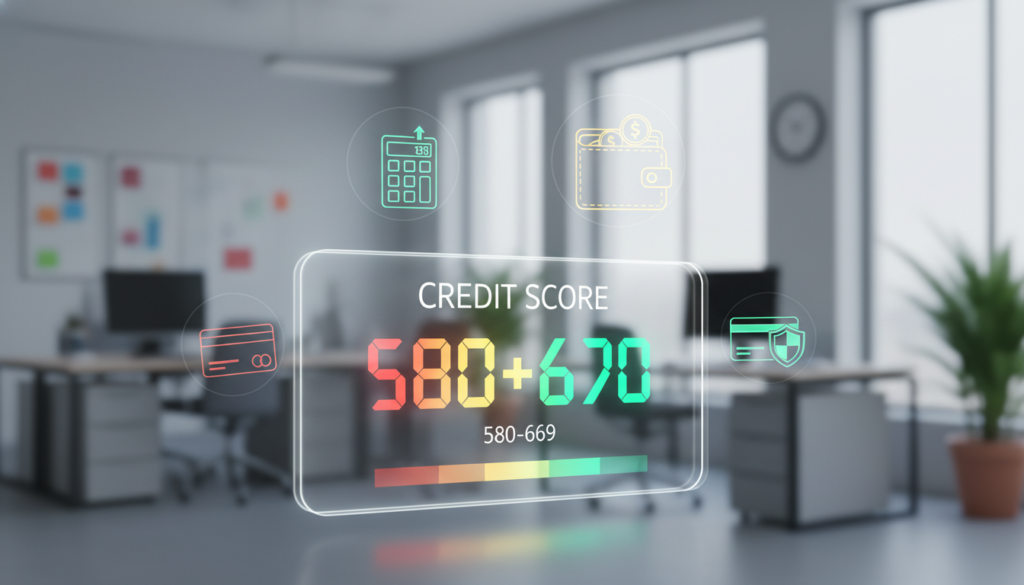
Understanding what lenders read on your file gives you a roadmap to better loan terms. Two major scoring systems shape those decisions: FICO®, used by about 90% of top lenders, and VantageScore®.
Both models analyze similar elements. They look at your payment history, how much debt you carry compared to limits, the length of your accounts, and the mix of loans and cards you use.
Key points to watch:
- Timely payments are the single most important influence on your standing.
- Keeping utilization low on cards and loans helps improve balances and overall health.
- Your report shows debt-related accounts only; savings and checking are not included.
Check your credit report regularly to verify information. If you want a trusted overview of what drives these numbers, read what affects your credit scores. Small, steady actions on payments and balances lead to meaningful improvement over time.
The Impact of Payment History on Your Financial Standing

Your monthly payment record often decides whether lenders trust you with new loans. Payment history makes up about 35% of the FICO® calculation lenders use. That means on-time payments matter more than many other details on your report.
A single payment 30 days late can harm your standing. The damage grows the longer you wait. Your payment timeline is recorded on your credit report, so accuracy matters.
Strategies for Timely Payments
Set up autopay for recurring bills and enroll in text or email reminders. These simple steps reduce missed due dates and protect your history.
Split large amounts into smaller payments during the month if needed. That helps manage balances and keeps accounts current.
Handling Past Due Accounts
If you fall behind, contact your lender immediately to discuss a hardship plan. Bringing an account current is the fastest way to stop ongoing harm to your report.
"Bringing past due accounts current is a critical step to mitigate damage and stop reporting that lowers your standing."
Where to get help: Nonprofit credit counselors can guide you through repayment plans and budgeting. For a deeper look at how payment history is reported, see this payment history overview. For home-buying planning tied to your payments and affordability, check home affordability basics.
| Action | Benefit | When to act |
|---|---|---|
| Enroll in autopay | Prevents missed due dates | Immediately |
| Contact creditor about hardship | May avoid collections | As soon as payment issues begin |
| Bring past due account current | Stops further negative reporting | Within 30–60 days if possible |
Managing Amounts Owed and Credit Utilization
One of the largest influences on your standing comes from how much of your available revolving credit you actually use each month. Amounts owed make up about 30% of the FICO® model, so managing utilization matters.
Calculating Your Utilization Ratio
To find your utilization, add your outstanding balances and divide by your total credit limits. Multiply that result by 100 to get a percentage.
For example, if your total limit is $6,500 and your balance is $1,600, your utilization on that card is about 25%.
- Keep utilization below 30% as a baseline; top-rated profiles often keep it much lower.
- Paying down high balances on cards is one of the fastest ways to lift your credit score.
- Avoid closing unused accounts. That can shrink your total limit and raise your overall utilization.
- Monitor your credit report regularly to see how balances and loans influence your standing.
If you want practical guidance on ways to improve your utilization, read this guide to improve your credit utilization.
Why the Length of Your Credit History Matters
How long you've maintained accounts matters because time reveals patterns lenders trust.
The length of your credit history accounts for about 15% of your FICO® score. Lenders review the age of your oldest account, your newest account, and the average age across all accounts to get a long-term picture of your behavior.
Keeping an older card open usually helps. Accounts closed in good standing remain on your credit report for up to 10 years and can continue to help your history.
If you are new to borrowing, consider becoming an authorized user on a trusted family member's card or applying for a secured credit card to establish positive payment records.
Regularly check your credit report so the bureaus calculate account ages correctly. For a closer look at how scoring models work, see this overview on how scores are calculated: how are credit scores calculated.
- Older accounts increase the average age of accounts and provide more data over time.
- Closing long-held accounts can shorten your average account age and hurt future loan approvals.
- Patience is the only true way to lengthen history—consistent payments over years matter most.
| What to do | Why it helps | When you may see benefit |
|---|---|---|
| Keep oldest accounts open | Raises average account age | Weeks to months (ongoing) |
| Become an authorized user | Builds history without primary responsibility | Months to a year |
| Use secured cards responsibly | Establishes payment record | 6–12 months for meaningful history |
Lenders look for balance: a blend of cards and installment loans often paints the strongest financial picture.
The credit mix portion of most scoring models counts for about 10% of your FICO® result. A healthy mix shows you can handle revolving accounts and fixed loans, like a car loan or mortgage.
The Role of Diverse Credit Types
Maintain a few different account types if you can manage them responsibly. You should not open accounts just to change the mix.
Understanding Hard Inquiries
Applying for new credit creates a hard inquiry on your credit report and can cause a small, temporary dip in your credit score.
Avoiding Excessive Applications
Rate shopping for a car or mortgage is handled more leniently. Most scoring models treat multiple inquiries within a 14-day window as one inquiry.
- Be selective: each credit card application is counted separately.
- Space out applications: avoid several new accounts in a short time.
- Manage existing accounts well: good payments and low utilization improve your mix naturally.
| Action | Why it matters | Practical tip |
|---|---|---|
| Keep diverse account types | Helps the 10% mix component | Use responsibly, avoid opening unneeded accounts |
| Limit new applications | Prevents multiple hard inquiries | Apply only when necessary and space applications |
| Rate shop within window | Treated as a single inquiry for loans | Compare offers within 14 days for car or mortgage |
For guidance when you plan major purchases, review our home buying checklist at how to buy a house in.
Practical Steps to Build and Protect Your Credit
Use clear, repeatable actions to protect your financial standing and avoid surprises when applying for loans.
Review your annual reports from the three major and check for errors. Getting free reports helps you spot wrong accounts or identity theft early.
Lower high balances on any cards to improve utilization. Set up automatic payments for loans and cards so you never miss due dates. Small, on-time payments build a strong payment record over time.
If you are new to borrowing, consider a credit-builder loan or a secured card to establish positive history. Tools like Experian Boost can also add utility and phone payments to your report.
- Dispute errors with bureaus to correct false information.
- Avoid multiple card applications at once to limit hard inquiries.
- Guard personal data to prevent fraud and unwanted accounts.
| Action | Benefit | When to act |
|---|---|---|
| Check reports annually | Find and fix errors quickly | Immediately and each year |
| Pay down high balances | Lower utilization and improve rating | Within 1–3 months |
| Use secured or builder products | Establish steady history | When starting out |
Consistency matters: stick to these habits and give your history time to reflect positive change. For mortgage planning and market context, see housing market basics.
Taking Control of Your Long Term Financial Future
Your long-term financial future improves when you make clear, repeatable decisions about spending and accounts. Start with low balances, timely payments, and careful choices about new credit so your file reflects steady behavior over time.
Monitor your credit report from the major credit bureaus and watch utilization and balances each month. That habit helps you spot errors early and track progress.
Keep a healthy mix of accounts and build a long, stable history. Over months and years, scoring models reward consistency, which leads to better loan terms and easier borrowing.
Use free credit monitoring tools to stay informed, and remember: small, consistent actions now shape a stronger credit score tomorrow.
FAQ
What are the main things that determine your credit performance?
Payment history, utilization ratio, account age, credit mix, and recent applications strongly influence credit scores.
How does missing a payment change your financial standing?
Late payments can quickly lower your score and remain on your credit report for several years.
What practical steps help you pay on time every month?
Use autopay, payment reminders, budgeting tools, and prioritize high-interest obligations to avoid missed payments.
How should you handle accounts that are already past due?
Bring accounts current quickly, negotiate repayment plans, and keep written proof of all agreements and payments.
What is your utilization ratio and how do you calculate it?
Utilization compares total balances to total credit limits, and lower percentages generally improve credit profiles.
Why does the age of your accounts matter to lenders?
Longer account histories provide more evidence of stable and responsible financial management over time.
Does having different types of loans help your profile?
A healthy mix of revolving and installment accounts may improve how lenders evaluate borrowing experience.
What is a hard inquiry and how does it affect you?
Hard inquiries occur during credit applications and may slightly reduce your score for a limited period.
How can you avoid damaging your profile with too many applications?
Apply for new credit only when necessary and space applications apart to reduce lender risk concerns.
What immediate actions can you take to build and protect your financial reputation?
Pay on time, reduce balances, monitor reports regularly, and protect accounts against fraud or identity theft.
How do you plan for long-term improvement in your report and scores?
Maintain consistent payment habits, reduce debt gradually, build savings, and avoid unnecessary borrowing over time.
If you want to know other articles similar to Key Factors Affecting Credit Score for Your Financial Health You can visit the category Credit.
Best Property Search Tips USA for Your Home Buying Journey

Your Real Estate Listings Guide USA Find Homes Easily

How to Read Property Listings USA to Buy Your Perfect Home

How to Find Houses for Sale Online

Your Guide to Understanding Home Listings USA

Real Estate Listing Terms Explained A Beginner’s Guide
Leave a Reply
VISIT THESE INTERESTING ARTICLES📚