

New Build vs Resale Property USA Pros and Cons Explained
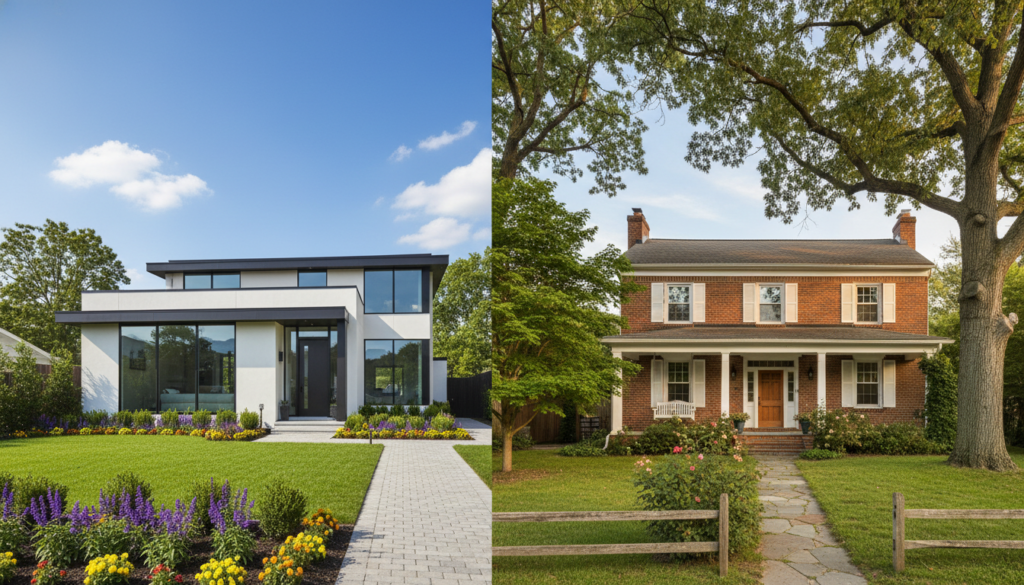
Which option saves you money and time and which one fits your lifestyle? This question matters if you are planning a major home purchase today.
Deciding between these options is a key financial step. Sixty-one percent of buyers now prefer a new construction home as their top choice, and the median price gap is surprisingly small. That makes the choice about more than sticker price.
You should weigh long-term costs like energy bills, maintenance, and repairs against upfront benefits such as modern systems, warranties, and contemporary design features. Builders often offer incentives that can shift the balance.
This guide will help you compare location, space, finishes, appliances, and efficiency so you can match an option to your goals. Read on to learn how years of savings, utility bills, and lifestyle needs affect your decision.
Table of Contents
- Understanding the New Build vs Resale Property USA Market
- Comparing Initial Purchase Prices
- Evaluating Total Cost of Ownership
- Navigating Move-In Timelines
- The Value of Customization and Design
- Energy Efficiency and Modern Systems
- Understanding Builder Warranties
- The Appeal of Established Neighborhoods
- Financing Incentives and Mortgage Options
- Assessing Long-Term Maintenance Requirements
- The Role of Professional Guidance
- Weighing Your Personal Lifestyle Needs
- Making Your Final Decision with Confidence
- FAQ
Understanding the New Build vs Resale Property USA Market
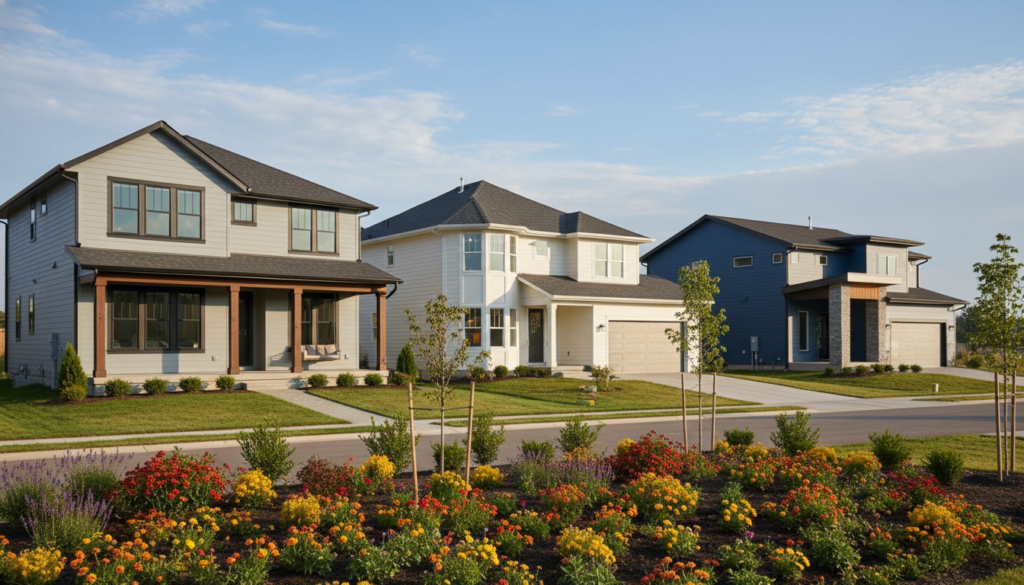
Supply and neighborhood access often shape what you end up buying. When listings are scarce, many buyers choose established homes closer to jobs and services.
Recent surveys show that 63% of buyers closed on an existing home, which highlights how inventory constraints influence decisions more than style or features.
At the same time, planned communities and model neighborhoods deliver clear benefits. Builders now focus on shared amenities like trails, pools, and green space to drive long-term value.
Think about location and commute over the coming years. A well-sited home can save you time and reduce daily costs in ways a distant community may not.
To weigh options, read a practical comparison in our new builds guide, and consider timing advice from the best time to sell article when planning your move.
Comparing Initial Purchase Prices
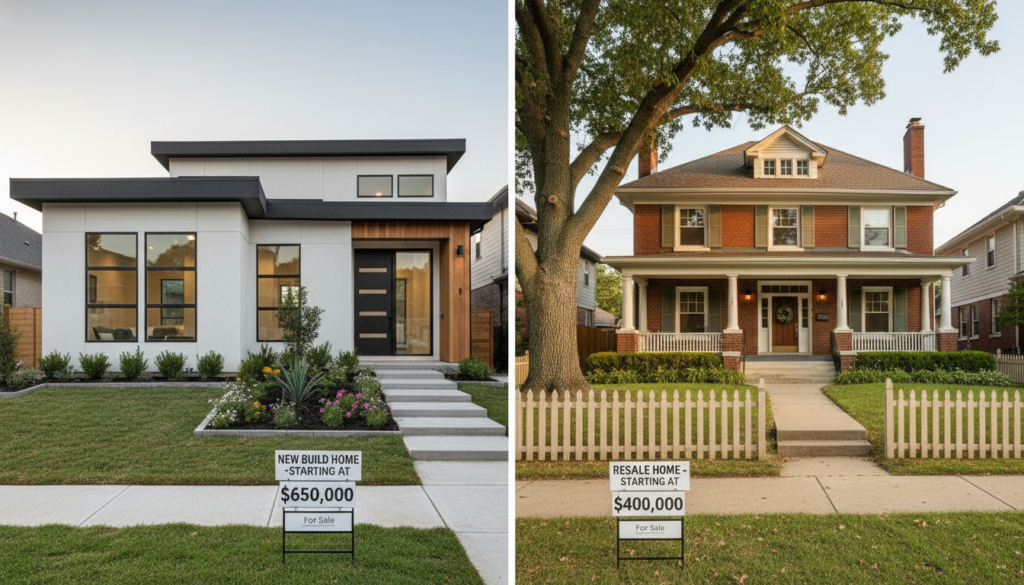
Upfront cost differences often hide the real savings or expenses you'll face after you move in. Look at the list price, but also count included systems and finishes. That is where value often shows up.
Market premiums have narrowed in the past decade. Ten years ago, new construction carried a 36% premium compared to existing homes. By 2023 that gap fell to about 9%, making a brand-new home more accessible for many buyers.
Modern construction often bundles appliances, warranties, and updated systems. Those inclusions reduce near-term repair and upgrade costs you would face in an older house.
Also consider incentives. A builder may offer financing perks or closing help that lowers your effective costs. Those offers can shift the value equation in favor of a straight purchase.
Negotiating Resale Prices
Resale homes sometimes list at lower prices, and you can negotiate further. But a lower purchase price can mean more time and money updating systems or replacing appliances.
"Factor in expected maintenance and any home protection plans when you compare offers the cheapest list isn't always the least expensive in the long run."
- Check space and layout so price matches long-term use.
- Estimate repair and warranty expenses for older houses.
- Compare short-term incentives from builders against seller concessions.
Evaluating Total Cost of Ownership
Look past the price tag to measure how much a home will really cost you over the next several years.
True ownership includes ongoing expenses: monthly utility bills, scheduled maintenance, and unexpected repairs. A small difference in purchase price can widen when you add these costs.
The National Association of Home Builders found buyers may pay 23% more for a new home yet see the same first-year expense as an older house due to lower energy use and reduced maintenance.
"Buyers could pay 23% more for a new home yet have the same first-year costs as an older home due to lower utilities and maintenance."
Use a simple 5-year cost calculator to compare scenarios. Enter mortgage, estimated utility bills, routine maintenance, and likely appliance or systems replacements. This gives a clearer financial picture than sticker price alone.
| Item | New construction home (5 yrs) | Existing home (5 yrs) |
|---|---|---|
| Average mortgage difference | $9,000 | $0 |
| Estimated utility bills | $6,000 | $12,000 |
| Maintenance & repairs | $3,000 | $9,000 |
| Total 5-year expense | $18,000 | $21,000 |
- Better insulation and modern HVAC cut energy bills and shield you from rising utility costs.
- Older homes may need appliance or system replacements that spike early expenses.
- Many buyers find higher monthly payments offset by lower maintenance and energy bills over several years.
For a practical comparison and planning tools, see this new construction vs resale comparison.
How fast you need to occupy a house should shape whether you choose inventory or a longer timeline.
Typical timelines differ sharply: a finished home from a builder often requires about six to twelve months or more from contract to completion. That schedule affects financing, moving plans, and short-term living costs.
Quick Move-In Options
If you need to move sooner, many builders offer quick move-in options. These are inventory homes or near-complete units that speed closing and reduce overlap between sales and purchase.
Resale closings usually finish in 30 to 60 days, so buyers who must relocate fast often prefer that route. Keep in mind older houses may need renovations that add weeks or months before full occupancy.
- Coordinate dates with builders in a community to avoid double housing costs.
- Ask about programs like Jagoe Homes’ SureTrade™ to align selling and moving schedules.
- Factor in extra time for inspections, permits, and final walkthroughs.
"Plan for contingencies: even quick move-in options can face delays, so build cushion into your timeline."
The Value of Customization and Design
Customization turns a standard floor plan into a home that fits how you live each day.
Choosing to buy a new construction home gives you access to design choices that match your lifestyle. You pick finishes, lighting, and layouts so rooms work for daily routines.
Working with builders like Jagoe Homes makes this easier. Their MyHome design tool and 3D tours let you preview fixtures and finish options before you commit.
That means you can add a dedicated room for an office, expand a garage, or include an extra living space at the start. Structural changes are often more affordable during construction than later renovations.
| Customization area | Typical advantage | Why it matters |
|---|---|---|
| Floor plans | Choose flow and room sizes | Matches daily needs; avoids future remodels |
| Finishes & lighting | Select materials and fixtures | Sets long-term style and resale appeal |
| Structural options | Add sunrooms or expand garages | Cost-effective vs. later renovations |
- Buying new can reduce short-term costs tied to upgrades.
- Personalization builds pride and a sense of ownership from day one.
Energy Efficiency and Modern Systems
Energy-smart design and modern mechanical systems cut operating costs and improve comfort from day one.
High-efficiency homes use advanced insulation, top-tier windows, and optimized HVAC to keep temperatures steady and lower your utility bills.
Smart Home Integration
TechSmart™-style features let you manage security, lighting, and temperature from your phone. That convenience saves you time and simplifies routines.
New construction integrates wiring and controls during installation, so you avoid costly retrofits to add smart systems later.
Utility Savings
Jagoe homes average a HERS 62 rating, about 68% more efficient than a typical used home.
That efficiency translates to roughly $1,300+ saved per year in utility bills for many buyers.
"Choosing a home with energy-efficient systems pays off through lower operating costs over the years."
- Modern appliances and lighting reduce daily energy use.
- Independent inspections confirm systems perform as expected.
- Better insulation and design lower both costs and environmental impact.
Understanding Builder Warranties
Knowing precisely which components a builder covers saves you time and shields your budget.
Builder warranties are one of the clear benefits of new construction for buyers. They shift early-year maintenance and many repair costs away from you. That protection matters when systems fail or workmanship issues appear.
Jagoe homes include a 2-10 Home Warranty: one year for workmanship, two years for mechanical systems, and ten years for structural integrity. This setup covers major elements like the roof, foundation, and installed systems for set years after closing.
- Read warranty terms carefully to know who pays and how to file a claim.
- Keep maintenance records; many warranties require routine care to remain valid.
- Ask about response times and whether the builder uses approved contractors.
"Reviewing warranty scope and claim steps helps you avoid surprise costs and speeds repairs when issues arise."
With clear coverage, you gain peace of mind and lower short-term costs. Treat warranties as part of the purchase value when comparing homes and construction offers.
The Appeal of Established Neighborhoods
Established neighborhoods often offer mature landscaping and a clear sense of place that many buyers find hard to match. You get tree-lined streets, homes with character, and easy access to shops and services. That combination creates a lifestyle many people seek.
Consider location first: older areas tend to sit closer to town centers and transit, which can cut commuting time and daily costs. At the same time, planned communities from local builders include shared amenities that attract families and active residents.
HOA Considerations
HOA fees in newer communities often range from $300 to $1,000+ annually to maintain pools, trails, and common areas. Most older neighborhoods have little or no HOA cost.
| Feature | Established neighborhood | Planned community |
|---|---|---|
| Mature landscaping | Yes | Often limited |
| HOA fees (annual) | Minimal or none | $300–$1,000+ |
| Amenities | Nearby public or private | On-site pools, trails, parks |
| Modern infrastructure | May need updates | Typically included |
Balance costs and value. Weigh HOA fees against the convenience and community spaces they fund. If you want help on buying steps and financing basics, see our guide on how to buy a house.
Financing Incentives and Mortgage Options
When lenders partner with builders, you can see significant savings that change which homes fall inside your budget.
More than 55% of builders offered sales incentives in late 2024. These often include interest-rate buy-downs and closing-cost assistance to offset higher rates.
Such programs can increase your purchasing power. That may let you choose a larger home or add desired upgrades without paying cash up front.
Compare the builder’s preferred lender against outside banks. Ask for full terms, fees, and how incentives affect your monthly payment over time.
"Interest-rate buy-downs and closing-cost help remain the most common incentives, and many buyers find them decisive when choosing plans and finishes."
| Incentive | Typical benefit | Key question to ask |
|---|---|---|
| Interest-rate buy-down | Lower monthly payment first years | How long does the reduced rate last? |
| Closing-cost assistance | Less cash needed at closing | Is the assistance a loan or grant? |
| Roll upgrades into mortgage | Customize without large up-front costs | How does this affect your loan-to-value? |
- Plan early: secure preapproval and compare offers.
- Read terms so incentives don’t raise long-term costs.
- For practical financing steps, see this financing checklist and our first-time buyer guide.
Assessing Long-Term Maintenance Requirements
Long-term upkeep often drives true ownership costs more than the purchase price.
Think about ongoing care as part of your budget. Homes built before 1960 average about $564 per year in maintenance, while homes finished after 2008 average roughly $241. That gap shows how modern materials and systems reduce yearly costs and surprises.
You can expect lower utility bills and fewer emergency repairs when a house has current insulation and high-efficiency HVAC. Brand-new appliances and updated systems also stretch service life and delay replacements.
Older houses often hide costly issues. Outdated wiring, aging plumbing, and worn roofing can add major expenses over the life of ownership. Regular checks and a planned maintenance fund protect your budget and lifestyle.
- Estimate five-year maintenance costs when comparing options.
- Prioritize inspections for wiring, plumbing, and roof condition.
- Use warranty coverage and manuals to schedule routine service.
"Plan for maintenance so you spend time enjoying your home, not fixing it."
For a practical checklist and buyer tools, see our buyers comparison guide.
The Role of Professional Guidance
An experienced agent gives you an advocate when developers and their sales teams negotiate incentives.
You gain local market insight, negotiation skill, and a check on builder promises. A pro spots red flags in contracts and explains warranty language. They also compare communities and construction homes so you pick the best option for long-term goals.
Agents know which builders have strong reputations and which communities hold value. That awareness helps you avoid costly surprises and predict ongoing costs.
"Use a qualified realtor to protect your interests and unlock incentives you might miss without representation."
- Ensure fair treatment vs. sales team interests.
- Get help with timelines, inspections, and claims.
- Negotiate incentives and financing terms on your behalf.
| Service | What it helps | Why it matters |
|---|---|---|
| Market advice | Compare communities | Match location to lifestyle and resale |
| Negotiation | Incentives & contract terms | Lower upfront costs and clearer obligations |
| Inspection guidance | Timeline & punch-list | Avoid hidden costs after closing |
For guidance on choosing representation, read about using an agent for new construction and tips on how to choose an agent.
Weighing Your Personal Lifestyle Needs
Prioritize the spaces that shape your day: an office for remote work, a playroom for kids, or a single-level layout for future access.
List your daily routines and nonnegotiables. Note commute time, nearby schools, and how the location fits your schedule. That helps you judge whether a community or an older neighborhood suits your life.
Think about room counts and flexible space. A dedicated office or extra bedroom can replace costly renovation later. For many buyers, one well-placed room means less disruption and more value over time.
If energy efficiency and low bills matter, construction choices and modern systems will serve you well. If you prefer low upkeep, factor maintenance into your decision.
- Match layout to daily use, not trends.
- Value amenities that reduce errands and boost free time.
- Choose a house and community that fit your five- to ten-year plan.
"Your home should support how you live today and where you want to go tomorrow."
Making Your Final Decision with Confidence
Focus on how systems, finishes, and warranties will affect your expenses and comfort over the next decade.
Make a final checklist of costs, time, and the construction features you value most. Consider how new construction homes and modern systems lower bills and reduce surprise expenses for buyers. Remember that buying new often includes builder warranties, contemporary finishes, and financing incentives that protect your investment.
Match those benefits to your long-term lifestyle and market plans, then move forward with confidence. For a deeper look at the benefits of buying a new home, see this benefits guide, and for international steps consult how to purchase abroad.
FAQ
What are the main advantages of buying a newly built home instead of an older resale house?
New homes provide modern systems, warranties, energy efficiency, updated layouts, and reduced immediate maintenance requirements overall.
How do purchase prices for newly constructed homes compare to resale homes?
New construction often costs more initially, while resale homes may require renovations and future system replacement expenses.
Can you negotiate the price on a builder’s new development?
Builders may negotiate incentives, upgrades, closing costs, or mortgage rate assistance depending on local market conditions.
What ongoing costs should you expect beyond the mortgage for a newly built house?
Budget for insurance, property taxes, utilities, HOA fees, landscaping, maintenance, and future equipment replacement expenses regularly.
How quickly can you move into a newly constructed home?
Move-in timing depends on completion status, builder schedules, permits, materials availability, and overall construction project progress.
What customization options are typically available when buying from a builder?
Builders often allow flooring, cabinetry, appliances, lighting, layouts, and additional structural feature customization selections initially.
Are smart-home systems and energy features standard in modern construction?
Many modern homes include smart-home wiring, efficient HVAC systems, advanced insulation, and energy-saving technology features.
How much can you save on utilities with a newer house?
Efficient systems and insulation usually lower monthly energy costs compared with older and less efficient residential properties.
What does a typical builder warranty cover and for how long?
Builder warranties commonly cover workmanship, systems, structural elements, and manufacturer-provided appliance protections for varying periods.
What are the benefits of buying in an established neighborhood instead of a new community?
Established neighborhoods offer mature landscaping, developed infrastructure, schools, amenities, and clearer long-term market comparisons overall.
How do HOA rules in new developments affect homeowners?
HOAs maintain standards and amenities while also enforcing community rules, restrictions, and recurring monthly homeowner obligations.
Are there special financing options or incentives for newly built homes?
Builders and lenders may offer rate reductions, closing assistance, and specialized financing programs for qualified homebuyers.
How should you estimate long-term maintenance for a newly constructed house?
Plan annual maintenance budgets for roofing, HVAC servicing, exterior care, appliances, and future system replacement expenses.
Why is professional guidance important when choosing between new construction and resale?
Experienced professionals help evaluate contracts, inspections, financing, negotiations, warranties, and long-term ownership considerations carefully.
How do you align your lifestyle needs with the choice between a newer home and an older one?
Consider commute, maintenance preferences, neighborhood character, schools, amenities, and long-term personal financial priorities carefully.
What final steps should you take before deciding on a purchase?
Review contracts, inspections, warranties, HOA rules, financing terms, timelines, and projected ownership costs before signing agreements.
If you want to know other articles similar to New Build vs Resale Property USA Pros and Cons Explained You can visit the category House for Sale.
What to Consider Before Buying a Home Expert Advice
Pros and Cons of New Homes for Your Next Purchase
New vs Old Homes USA A Guide to Making the Right Choice
Resale Home Advantages USA Every Buyer Should Know

How Mortgage Works USA Guide for Your First Home Loan

Understanding the Types of Debt USA You Should Know
Leave a Reply
VISIT THESE INTERESTING ARTICLES📚