
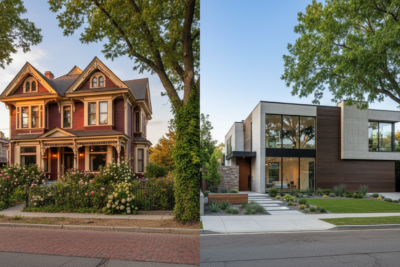
Pros and Cons of New Homes for Your Next Purchase
Curious whether choosing a fresh build will save you money or cost you more down the road?
You face choices that shape your budget, comfort, and long-term plans. About one-third of listed properties today are newly built, so this option is common for buyers who struggle to find affordable pre-existing listings.
Buying new construction can give you modern layouts, better energy efficiency, factory warranties, plus the peace that comes from being first to live in a space.
On the flip side, repair needs are lower now, but sales terms and site work can affect timelines and your mortgage strategy.
Keep research practical: weigh builder incentives, compare estimated utility savings, and review contract details before you sign.
For a clear step-by-step overview that helps first-time buyers, see the first-time buyer guide.
Table of Contents
- Understanding the Appeal of New Construction
- The Primary Pros and Cons of New Homes
- Modern Amenities and Energy Efficiency
- Financial Considerations and Builder Incentives
- Navigating Construction Timelines and Delays
- The Reality of New Neighborhoods and Infrastructure
- Comparing New Builds to Existing Properties
- Making the Right Choice for Your Future
- FAQ
Understanding the Appeal of New Construction
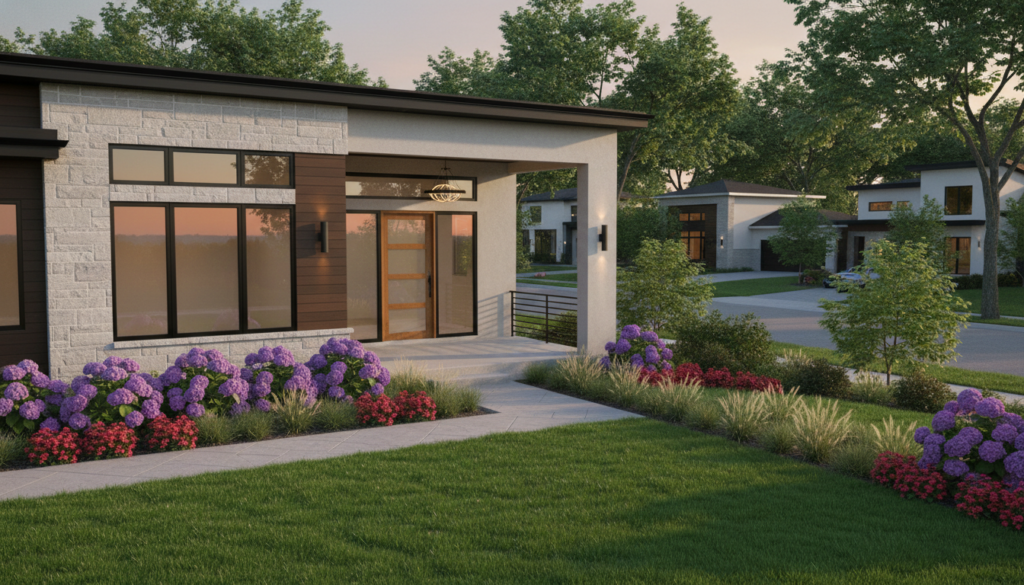
A freshly built residence gives you a blank canvas: clean walls, modern finishes, and systems installed to current standards.
That first-impression advantage matters. Designers like Heidi Bolyard note a brand-new home rarely shows dents, scratches, or stains. You also get layouts with open space, roomy kitchens, and walk-in closets that match how families live today.
Builders place these construction homes in planned community settings with gyms, pools, courts, and clubhouses. You can pick a floor plan, set the home's orientation, and choose finishes for cabinets, countertops, and flooring.
Technology and efficiency come standard. Expect USB outlets, smart thermostats, LED lighting, and energy-rated appliances that help lower monthly bills and reduce environmental impact.
"Everything in a modern build is designed for convenience and long-term safety."
For practical guidance on contracts and what to expect when buying new construction, see a helpful overview on understanding new construction. If you plan resale, learn how upgrades can increase home value before selling.
The Primary Pros and Cons of New Homes
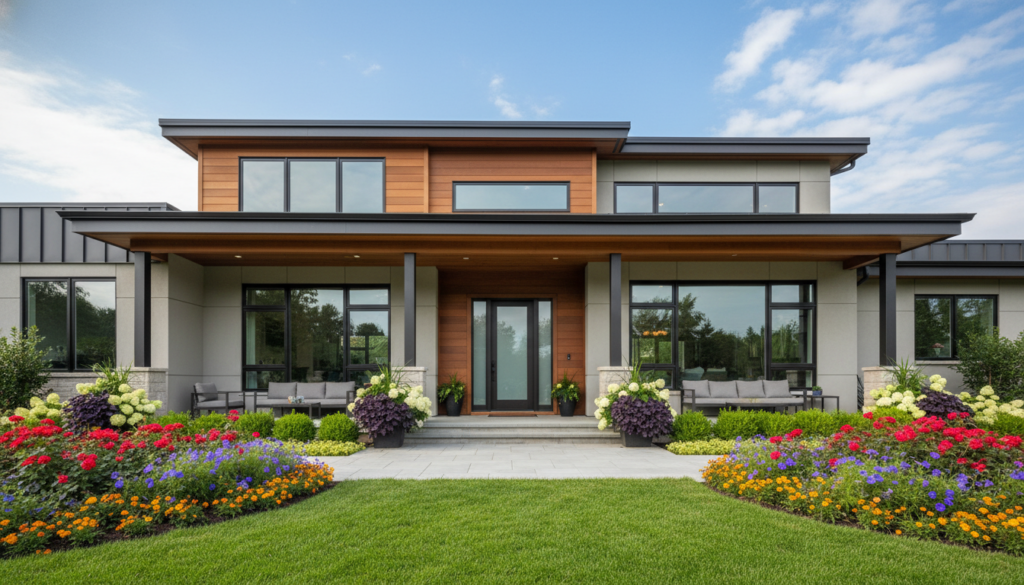
Deciding whether to buy a newly built property requires weighing convenience against flexibility. You get modern systems and a clean finish, but the base price may leave little room for haggling.
The Benefit of Move-in Readiness
When you choose a new construction home, you avoid immediate repairs. Jesse Little from Wells Fargo notes these houses are in working order, which cuts early maintenance needs.
Most builders include warranties: structural coverage commonly lasts up to seven years, with finishes covered for about one year.
You also save on initial upgrades because roofs, appliances, and HVAC are brand new. Picking a lot early lets you select a preferred floor plan and features.
The Trade-off of Limited Negotiation
Builders often set the base price. That limits your ability to push the initial price lower like you might with an existing home.
Still, many builders offer incentives that offset closing costs. Some ask that you use an affiliated lender to keep the mortgage process smooth and on schedule.
For a focused look at incentives and the purchase process, read this guide on buying new construction.
Modern Amenities and Energy Efficiency
Energy-smart design changes how you pay for living space. New building techniques, high-performance windows, and modern insulation keep temperatures steady. The U.S. Energy Information Administration notes larger modern residences use only slightly more energy than older ones. That means more space with little extra cost.
Long-term Savings on Utility Bills
Efficient systems cut monthly expenses. Energy Star-rated appliances, efficient HVAC, and connected thermostats reduce heating and cooling costs over the years. Smart lighting and automated controls add more savings when used well.
- Open-concept floor plans maximize usable floor space.
- Mudroom, pantry, and linen storage improve daily function in the kitchen and entry areas.
- All major components are new, which simplifies maintenance planning and timelines.
"By building with performance in mind, you get comfort that costs less to run."
For buyers weighing long-term value, see the benefits of new construction to compare savings and design features before you commit.
Financial Considerations and Builder Incentives
When you plan your budget, builder offers and financing choices shape the final price more than you might expect.
Builders commonly use incentives to move sales while construction finishes. Offers may include mortgage rate buydowns, extended rate locks, or reduced closing costs through preferred lenders. Ali Wolf at Zonda highlights rate buydowns as a common tool to help buyers manage higher interest rates.
Financing options mirror resale purchases: conventional, jumbo, and government-backed loans are possible. Some lenders even let you roll upgraded finishes into your mortgage to ease upfront cost pressure.
"Compare any builder incentive with outside lenders to ensure you secure the best mortgage terms."
- Check the warranty terms structural coverage can reduce unexpected repair costs.
- Confirm any extended rate lock details before you sign the sales contract.
- Estimate property taxes early; new developments sometimes carry higher rates to cover infrastructure.
| Financial Item | What to Watch | How it Helps You |
|---|---|---|
| Rate Buydown | Duration, who pays | Lower monthly payments for an initial period |
| Extended Rate Lock | Lock length, fees | Protects your mortgage rate during construction |
| Builder Lender Incentives | Costs, required use of preferred lender | Reduced closing costs, faster sales processing |
| Warranty | Coverage limits, claim process | Financial protection for defects and systems |
Before you commit, compare any builder package with outside offers. Use a trusted mortgage advisor and read the fine print to see whether the incentives truly lower your long-term cost of buying new construction. For a wider buying guide, check a concise resource on how to buy a house in and a balanced overview at new construction homes considerations.
A clear timeline can ease stress during the weeks you wait for a construction home to finish. Most projects follow steps that you can track, but actual completion time will vary by community and supply chains.
Managing Expectations for Completion
Robert Dietz notes typical build time sits near 6.5 months. In many markets, that number has stretched toward eight months because manufacturing costs and delivery hold-ups are common.
Ask your builder for a realistic move-in date and a written schedule. Confirm how they will share progress updates so you hear about any shifts early.
Dealing with Supply Chain Issues
Builders manage the construction timeline, but supply chain problems can slow framing, finishes, or appliance delivery.
Request specifics: what parts are on order, expected arrival windows, and contingency plans for delays. That helps you spot trouble sooner.
Planning for Move-in Flexibility
Plan your housing around a possible 1.5-month shift in time. Keep backup options in place for your current lease, storage, or temporary housing.
If waiting is not possible, consider quick move-in or spec properties in nearby communities. To compare options for buying new construction, review a detailed resource on multi-family and new construction.
"Managing expectations for the construction timeline reduces stress between contract signing and moving day."
The Reality of New Neighborhoods and Infrastructure
When you move into a freshly built subdivision, the surroundings often feel unfinished for a while.
Landscaping is often last on the schedule. Trees, shrubs, and perennials take years to mature. That early period can leave yards looking sparse and lots clearly visible.
Expect some construction activity. Builders may still be finishing other houses, so you could live next to active sites for months or years.
New construction communities often sit on large tracts of land. Services like shops, schools, and utilities can arrive slowly. Cities sometimes finance roads and grids, with costs recovered through property taxes.
Research long-term plans for the area before you buy. Knowing proposed amenities, lot layouts, and timelines helps you judge commute time and future property value.
"Over time, many growing neighborhoods become lively places with more businesses and higher demand."
For a clear primer on broader market basics, see housing market basics.
Comparing New Builds to Existing Properties
Look beyond the sticker price to measure real costs. The National Association of Realtors reports a lower median for pre-owned properties at $384,800. That can make buying new seem pricier at first.
But price alone does not show future spending. Older homes often need renovations, safety upgrades, and landscaping. Those expenses add up over time.
Warranties and modern systems matter. A construction home arrives with current codes, fresh appliances, and a warranty that limits early repair bills.
Assessing Maintenance and Repair Costs
Estimate likely repairs for an existing home: roof, HVAC, electrical, and cosmetic updates. Add yearly landscaping and unexpected fixes.
"A warranty for a new construction home shifts many repair risks away from you in the first years."
- Compare immediate move-in timing versus waiting for completion.
- Factor location: older properties often offer better walkability and established services.
- Balance energy savings from modern builds against the character and land size older properties may provide.
| Item | Existing Home | New Construction | Why it matters |
|---|---|---|---|
| Median Price | $384,800 (NAR) | Typically higher | Initial affordability |
| Maintenance | Higher, variable | Lower early, warranty-covered | Predictable budgets |
| Move-in Time | Immediate | May require waiting | Relocation planning |
| Location & Land | Often central, larger yards | Planned neighborhoods, newer infrastructure | Commute and future value |
Making the Right Choice for Your Future
Deciding what fits your long-term plan matters most. Consider price, mortgage terms, community growth, and how a fresh build matches your lifestyle.
Use calculators and local market guides to model monthly costs and possible appreciation. For a head-to-head view, read a detailed comparison guide.
Work with a trusted agent who can run comps and inspections. See key questions in questions to ask your agent.
Whether you pick a new home or an existing home, pick the path that protects your budget and supports future value in your property portfolio.
FAQ
What should you weigh when considering a recently constructed house?
Compare price, energy efficiency, maintenance expectations, warranty coverage, customization options, and long-term ownership costs carefully.
Why do buyers choose brand-new construction?
Buyers often prefer modern layouts, updated technology, energy-efficient systems, and lower immediate repair responsibilities overall.
How ready is a completed build for immediate occupancy?
Most completed homes include installed systems and appliances, though final inspections may reveal remaining punch-list repairs.
Can you negotiate price with a builder?
Builders may limit discounts but frequently offer upgrades, closing assistance, or temporary mortgage rate incentives instead.
Will energy-efficient features save you money long term?
Modern insulation, efficient appliances, and updated HVAC systems generally reduce monthly utility and operating expenses significantly.
What financial incentives do builders commonly offer?
Common incentives include mortgage rate buydowns, appliance packages, closing-cost contributions, and homeowners association fee assistance.
How do construction timelines usually unfold?
Projects move through permits, framing, inspections, installations, and finishing stages before final property completion and delivery.
What causes delays during build projects?
Permit delays, labor shortages, supply chain disruptions, and weather conditions commonly affect construction completion schedules significantly.
How should you plan for flexible move-in timing?
Maintain timeline flexibility, avoid nonrefundable commitments, and prepare temporary housing or storage options if needed unexpectedly.
What should you know about new communities and infrastructure?
Developing neighborhoods may still require schools, roads, retail, and transportation infrastructure completion over several future phases.
How do freshly built properties compare to older residences?
New builds offer efficiency and warranties, while older homes provide character, mature neighborhoods, and negotiation opportunities.
What are typical maintenance and repair differences?
New homes generally require fewer early repairs because systems, appliances, and finishes remain under active warranties initially.
How do you decide if this path fits your future plans?
Evaluate lifestyle goals, maintenance preferences, location priorities, timeline flexibility, and long-term financial expectations carefully.
If you want to know other articles similar to Pros and Cons of New Homes for Your Next Purchase You can visit the category House for Sale.
New vs Old Homes USA A Guide to Making the Right Choice
Resale Home Advantages USA Every Buyer Should Know

How Mortgage Works USA Guide for Your First Home Loan

Understanding the Types of Debt USA You Should Know

How Lenders Evaluate Applications and What You Should Know

Mortgage Timeline Explained for Your Home Buying Journey
Leave a Reply
VISIT THESE INTERESTING ARTICLES📚