
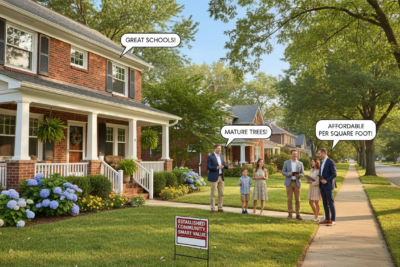
New vs Old Homes USA A Guide to Making the Right Choice
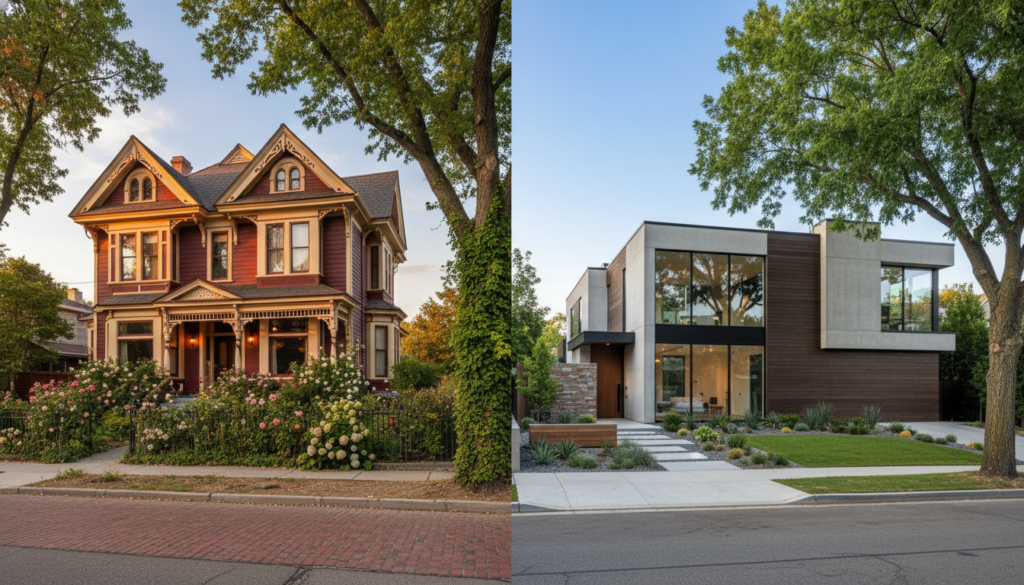
Which choice will protect your budget and match your lifestyle: a freshly built home or a seasoned property with history?
You face one of the biggest financial decisions of your life. With the national median listing price near $392,000, understanding how construction, upkeep, and market value affect your monthly cost is crucial.
This short guide helps you weigh trade-offs clearly. You will learn the practical differences in maintenance, financing, and resale. We’ll also touch on typical timelines, closing costs, and what to budget for inspections and insurance.
Follow a stepwise approach: compare price and long-term expenses, check local taxes and HOA rules, and review financing options. For a detailed walkthrough of buying process steps and readiness tips, see this helpful resource on how to buy a house in the United States: how to buy a house in.
- Decide based on total cost, not just sticker price.
- Factor in maintenance, insurance, and timelines.
Table of Contents
- Understanding the Differences Between New vs Old Homes USA
- The Appeal of Purchasing an Older Property
- Potential Drawbacks of Buying an Existing House
- Benefits of Investing in New Construction
- Common Challenges Associated with Modern Builds
- Financial Factors and Financing Options
- The Impact of Renovations on Long Term Value
- Making the Right Choice for Your Future
- FAQ
Understanding the Differences Between New vs Old Homes USA
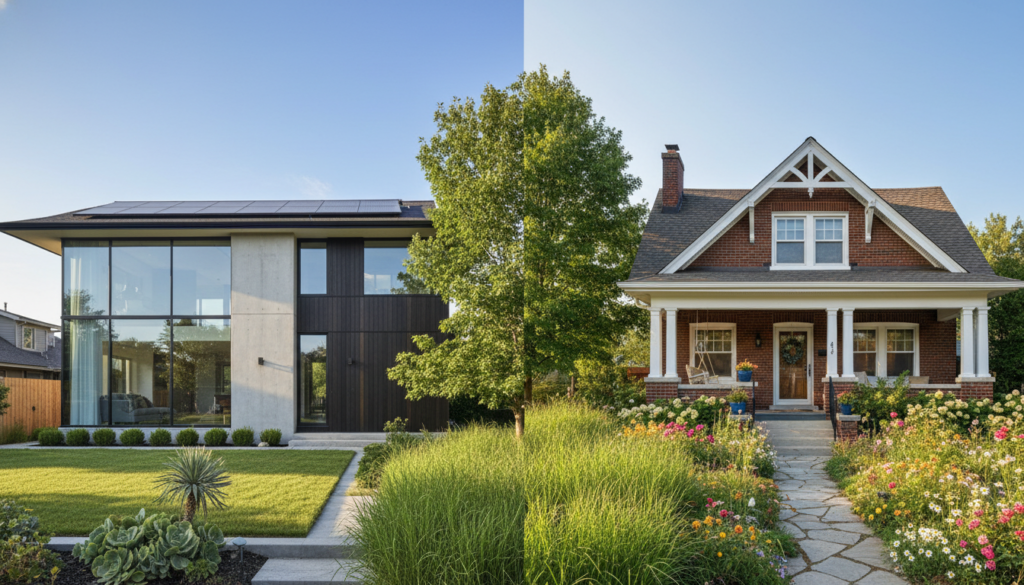
Diving into construction era and ownership history helps you spot real differences between options. A key fact: in 2023 over 4.09 million existing houses changed hands, while about 668,000 newly built units sold.
The primary split is straightforward. A modern build has never been occupied and often includes current systems and warranties. An older house carries a documented past of prior owners and repairs, which can reveal hidden strengths or surprises.
- Occupancy: one has no prior owners, the other does.
- Character: older properties often show unique finishes and mature landscaping.
- Timing: if you need to move in quickly, construction schedules matter.
- Costs: compare upfront price, likely maintenance, and long-term value.
| Feature | Modern Build | Established Property | Impact for Buyers |
|---|---|---|---|
| Occupancy History | Never occupied | Documented owners | Check records and inspections |
| Systems & Warranty | New systems, builder warranty | Age-varied systems, possible upgrades | Plan for repairs or replacements |
| Character | Uniform finishes, modern layouts | Distinctive architecture, mature trees | Weigh personal taste and resale |
| Market Activity (2023) | ~668,000 units sold | ~4.09 million sold | Shows strong demand for both paths |
Understanding the pros cons of each way lets you match a property to your financial and lifestyle goals. For a deeper look at buying an established property, see this guide on buying an older house. For broader market context, consult housing market basics.
The Appeal of Purchasing an Older Property
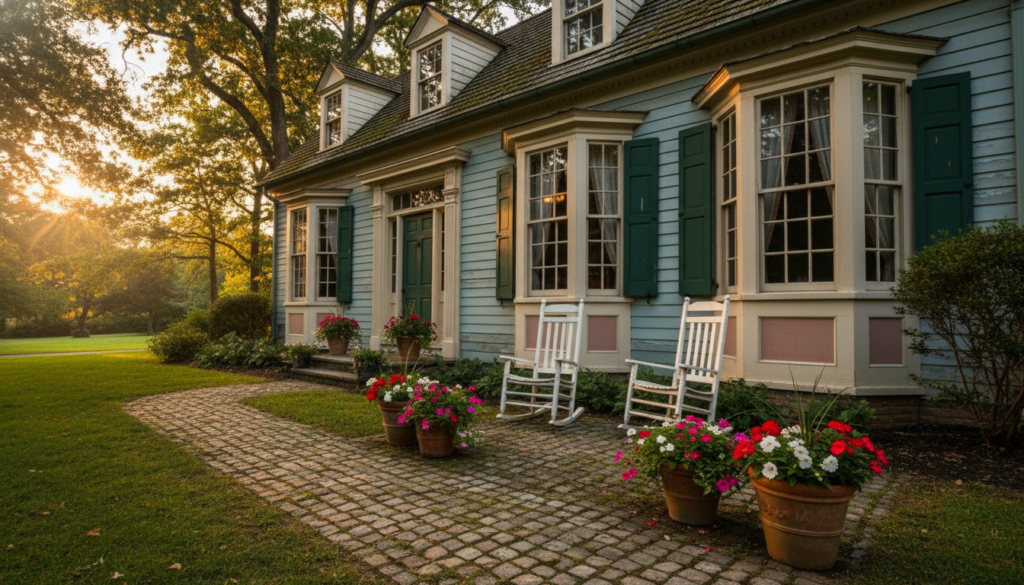
An established property often offers distinctive details and a rooted neighborhood feel. You get design elements and mature landscaping that modern construction rarely matches.
Architectural Character and Charm
Many buyers are drawn to unique features like crown molding, original woodwork, and period fixtures. These details give a house personality and can boost curb appeal.
Established Neighborhoods and Mature Landscaping
Older homes often sit in areas with strong community ties and bigger lots. That means more outdoor space and mature trees that provide shade and privacy.
- Closer proximity to city centers and public amenities can cut commute time.
- Large lots offer room for gardens, play areas, or additions.
- You can study price history to gauge long-term investment potential.
"Mature landscaping and classic details often add value you can see and feel."
| Feature | What to Expect | Buyer Benefit |
|---|---|---|
| Architectural details | Original trim, custom millwork | Distinctive style, resale appeal |
| Lot size | Larger yards, mature trees | Outdoor space and privacy |
| Neighborhood | Established schools, local shops | Convenience and community |
Bottom line: An older home can be a smart investment if you value character, space, and a settled neighborhood.
Potential Drawbacks of Buying an Existing House
Older properties can carry hidden costs that show up after the sale. Before you sign, factor in likely maintenance and upgrades. A careful inspection will help you spot major issues that affect safety and value.
Common cost drivers include aging plumbing, outdated electrical panels, and worn roofing. The U.S. Census Bureau’s American Housing Survey shows you may pay about 17% more on electricity and 38% more on gas in many older homes.
Maintenance and Safety Code Concerns
Major cons you should plan for:
- High maintenance costs for systems that need replacement after many years.
- Potential safety upgrades to meet current codes, which can be expensive.
- Limited storage and awkward layouts that force extra spending on space solutions.
- Common repairs drafty windows, foundation cracks, and insulation gaps that raise the initial price.
"A full inspection is not optional it's the best tool buyers have to avoid surprise expenses."
For guidance on whether an established property fits your goals, read a practical comparison at should you buy an older house. And if you plan renovations to improve value, check tips on how to increase home value before selling: increase home value.
Benefits of Investing in New Construction
A thoughtfully constructed house delivers better systems, smarter tech, and lower operating costs. That combination can make your move smoother and reduce surprise spending in the first several years.
Energy Efficiency and Modern Systems
Ultra-efficient homes typically use 20% to 30% less energy than older counterparts. That saves you money on heating and cooling each month.
Builders now install better insulation, high-efficiency HVAC, and ENERGY STAR appliances. These features cut utility bills and lower maintenance needs for several years.
Customization and Personalization
Buying during construction gives you options. You can pick layouts, finishes, and fixtures that match your life.
Open floor plans, larger bathrooms, and organized closet space make daily routines easier. Many builders include warranties that protect major systems.
Smart Home Technology Integration
About 69.91 million households used smart tech in 2024 to boost security and energy control. New builds often come pre-wired or pre-installed for these systems.
That integration is a practical way to increase property value and convenience without costly retrofits later.
- Lower operating costs: better energy efficiency
- Less maintenance: new roof and systems under warranty
- Personalized layout: choose space that fits your lifestyle
"Investing in modern construction can reduce daily costs and add long-term value."
For a deeper look at the financial advantages and long-term trends, see this overview of long-term housing trends and a guide on advantages of buying a recently built home.
long-term housing trends | advantages of buying a recently built
Common Challenges Associated with Modern Builds
Before you sign on a sales agreement, consider how a developing area can shape daily life for years.
One major con is that many developments lack established amenities. Schools, shopping, and transit may take years to arrive, so your commute and errands can be harder at first.
Planned communities can also feel repetitive. Many buyers report similar floorplans and finishes across lots, which reduces neighborhood character compared with older areas.
Land costs push builders to use smaller lots. That means less yard space and tighter separation between houses. Expect to weigh privacy and outdoor needs carefully.
- Higher upfront price: modern construction often carries a premium.
- Quality varies: work with reputable builders to protect quality and safety.
- Energy efficiency: many developments deliver better systems, but verify specifications and warranties.
| Challenge | What to check | Buyer tip |
|---|---|---|
| Amenities timeline | Planned vs. built facilities | Ask for developer timelines and neighborhood plans |
| Lot size | Measured outdoor area | Visit multiple properties at different times |
| Builder quality | Warranty and reviews | Request references and inspection reports |
Do your homework: compare developer reputations and read the fine print on warranties. For a detailed pros and cons comparison, see this guide on the topic at the pros and cons of new.
Financial Factors and Financing Options
Understanding loan programs and mortgage types helps you manage the real cost of a property. Start by mapping your budget, down payment ability, and how long you plan to stay in the home.
Mortgage and Government Loan Programs
Common programs include FHA loans for first-time buyers, VA loans for veterans, and USDA loans for rural purchases. Each can lower upfront cash needs and offer competitive rates.
If you are building a new home, consider a construction loan that covers land and building costs, then converts to a mortgage when construction ends.
- Secure a fixed-rate or adjustable-rate mortgage based on how long you expect to keep the house.
- Compare lenders to find the best price and loan terms; small rate differences affect money paid over time.
- Look for programs that help with down payment and closing costs to reduce initial strain.
- Invest in energy efficiency upgrades to lower operating costs and maintenance over the life of the property.
"Choose the loan that matches your timeline and financial goals to protect monthly cash flow."
For step-by-step guidance on getting a mortgage and closing, see this guide on how to buy a house.
The Impact of Renovations on Long Term Value
Smart renovations can turn a dated property into a high-performing asset without blowing your budget. You can expect an average ROI of about 70% when renovating an older house, especially if you focus on high-impact work.
Prioritize projects that buyers notice first: updated bathrooms, modern kitchens, and replaced windows. These changes raise curb appeal and reduce future maintenance cost.
Energy upgrades better insulation, efficient HVAC, and ENERGY STAR appliances cut utility bills and appeal to eco-minded shoppers. That makes the home more competitive and easier to sell.
- Bathrooms: modest remodels often boost resale price.
- Windows: replacement improves energy efficiency and comfort.
- High-impact focus: update features that influence offers and long-term value.
"A well-planned renovation modernizes space while keeping the original character that buyers love."
Plan with a budget and timeline in mind, and compare projects by expected return. For practical steps to increase your home's value, use trusted guidance to prioritize work that protects your investment.
Making the Right Choice for Your Future
Weigh the lifestyle you want against the costs you can carry over years, not just the upfront price. Think about whether you prefer character and mature landscaping or lower maintenance and modern systems.
If charm and an established neighborhood matter, an older house may suit your life. If you value energy efficiency and warranty-backed systems, a modern build could be the better option.
Work with a trusted agent or builder to compare real pros and cons. Review inspection reports, budget for maintenance, and check long-term energy estimates.
For help weighing construction versus an established property, read a guide on which choice fits your future: choosing construction or an established property.
For first-time buyers, use this first-time home buyer guide to plan closing costs and inspections.
FAQ
What are the main differences between buying a newly built house and purchasing an older property?
New builds provide modern systems and efficiency, while older homes offer character, larger lots, and established neighborhoods.
How do energy efficiency and systems compare between a recent build and an older residence?
Recent construction usually includes efficient insulation, windows, and HVAC systems that reduce monthly utility expenses significantly.
What renovation costs should you expect if you buy an older house?
Older homes may require roofing, plumbing, electrical, insulation, or kitchen and bathroom renovation investments over time.
Are mortgage options different for new construction compared to an existing property?
New construction may include builder incentives, while existing homes commonly use conventional or government-backed financing programs.
How does maintenance and long-term upkeep compare between the two choices?
New homes generally require less immediate maintenance, while older properties often demand higher ongoing repair budgets.
Can you customize a newly constructed house, and how much does that cost?
Builders often offer customization options, though premium upgrades and personalized finishes usually increase overall purchase costs.
Does buying an older property offer better location and neighborhood advantages?
Older properties frequently sit in mature communities with schools, parks, transportation access, and established local amenities.
How do resale value and investment potential differ between recent builds and existing houses?
Location, neighborhood demand, condition, and market trends influence resale value more strongly than property age alone.
What safety or code concerns should you check when buying an older structure?
Inspect electrical wiring, plumbing, insulation, asbestos, permits, and structural integrity before purchasing older residential properties.
Are smart-home features easier to implement in new construction?
New construction often includes integrated smart-home wiring, while older homes may require additional installation labor costs.
How should you budget for landscaping and exterior upgrades for each option?
Older homes may need maintenance, while new properties often require landscaping, fencing, and exterior finishing investments.
What inspection and due-diligence steps are critical for both choices?
Always complete inspections, review permits, evaluate warranties, and verify zoning and property condition before closing transactions.
How do timelines and move-in readiness compare between building and buying an existing place?
Existing homes usually allow faster move-in, while construction timelines may face weather or permitting-related project delays.
Should you consider professional help when choosing between these two options?
Experienced agents, inspectors, attorneys, and contractors help evaluate costs, contracts, financing, and long-term investment potential.
If you want to know other articles similar to New vs Old Homes USA A Guide to Making the Right Choice You can visit the category House for Sale.
Resale Home Advantages USA Every Buyer Should Know

How Mortgage Works USA Guide for Your First Home Loan

Understanding the Types of Debt USA You Should Know

How Lenders Evaluate Applications and What You Should Know

Mortgage Timeline Explained for Your Home Buying Journey

Steps to the Mortgage Approval Process USA Explained
Leave a Reply
VISIT THESE INTERESTING ARTICLES📚