

Resale Home Advantages USA Every Buyer Should Know
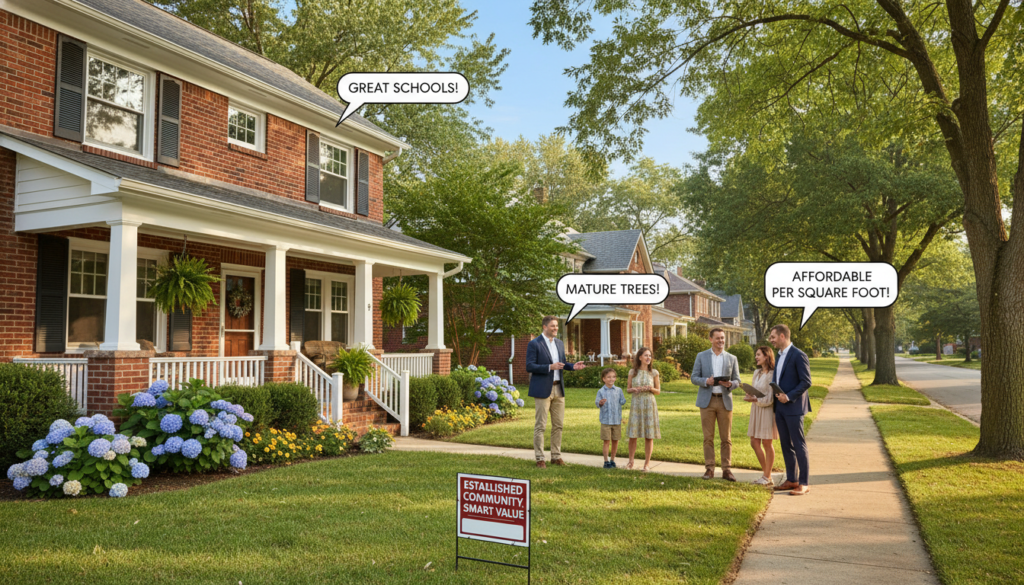
Wondering why so many buyers choose existing properties over new construction? The numbers speak clearly: in September 2023, the Census Bureau recorded 63,250 new home sales while the National Association of Realtors reported about 330,000 existing sales. That gap matters when you choose where to invest your time and money.
Understanding resale benefits helps you weigh the trade-offs between a new home and a well-established property. Keith Gumbinger notes the mortgage process for a resale purchase follows the same steps as other buys, so financing is familiar and predictable.
Many buyers find that buying resale options offers faster access to neighborhoods, mature landscaping, and known maintenance records. Read more on whether it’s better to buy new or used in this helpful guide: better to buy new or used. For timing context, see market seasonality at best time to sell.
Table of Contents
- Understanding the Resale Home Advantages USA Market
- Financial Benefits of Choosing Existing Properties
- The Value of Established Neighborhoods and Infrastructure
- Architectural Character and Mature Landscaping
- Comparing the Buying Process and Negotiation Power
- Assessing Structural Integrity and Energy Efficiency
- Making the Right Choice for Your Future Home
- FAQ
Understanding the Resale Home Advantages USA Market
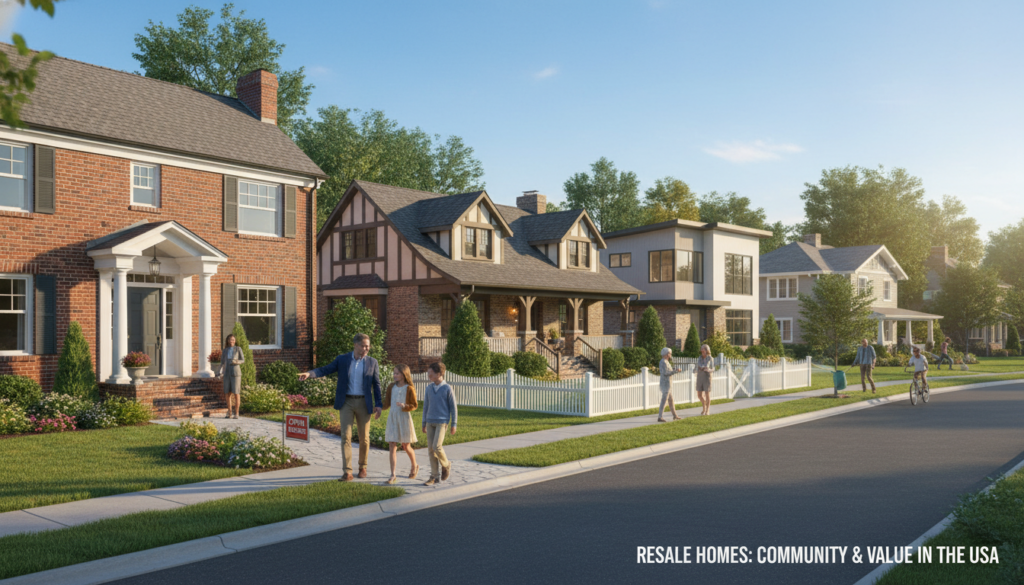
The market for previously owned properties gives you access to a far wider selection than most new construction pipelines. In September 2023 the National Association of Realtors reported about 330,000 existing sales, which shows how dominant this sector remains.
Defining the resale market: It includes any property that has had an earlier owner. These listings cover varied age ranges, styles, and price bands. That variety means you can compare layouts, materials, and long-term maintenance records before you decide.
Why buyers choose existing homes: Many people pick existing listings because they often deliver more square footage for the price than a new home in a modern subdivision. You also get established landscaping and character that new construction rarely duplicates.
Key takeaways
- You can see actual condition and features before you buy, reducing uncertainty.
- Properties are often in central areas with mature infrastructure and community character.
- Unique architectural details and larger lots are common in older houses.
| Feature | Existing Properties | New Construction |
|---|---|---|
| Inventory breadth | Wide selection across ages and styles | Limited to current builders and plans |
| Square footage per dollar | Often larger for the price | Smaller, modern layouts |
| Neighborhood maturity | Established landscaping and traffic patterns | Growing, less settled areas |
| Known condition | Inspection reveals actual maintenance needs | Construction schedules and warranties |
To explore how these points translate into practical buying steps, read more about the advantages of buying a resale home.
Financial Benefits of Choosing Existing Properties

Selecting a preowned house can lower the loan you need and give you immediate equity potential. The National Association of Realtors reported a median price of $394,300 for existing sales in September 2023, while the Census Bureau listed $418,800 as the median for new builds that month.
That gap matters. Paying less upfront often means a smaller mortgage and lower monthly payments. You keep more money to spend on updates, furnishings, or an emergency fund.
You may also buy a larger living space for the same price as a smaller new build. In many markets, existing properties offer more value per square foot.
- Lower median price reduces loan size and interest paid over time.
- Saved money can fund renovations that personalize the house faster.
- Buying established listings often speeds equity growth without new-build premiums.
| Metric | Existing | New |
|---|---|---|
| Median price (Sept 2023) | $394,300 | $418,800 |
| Typical buyer benefit | Lower mortgage, more square footage | Higher upfront cost, newer systems |
For a balanced view on choosing new versus preowned, see this comparison: why buy new vs used.
The Value of Established Neighborhoods and Infrastructure
Established neighborhoods give you infrastructure that works from day one. Roads are paved, utilities are tested, and municipal services have been operating for years. That stability means fewer surprises after you move in.
Schools, parks, and shops are already in place. You can research ratings and local reviews to check if the area fits your family’s needs. This makes planning for commute time, childcare, and errands far easier.
Older communities often provide walkable streets and mature landscaping. Trees and yards create privacy and curb appeal immediately, rather than waiting for saplings to grow.
- You join neighborhoods where neighbors have long ties to the area and can share local knowledge.
- Local amenities and transit routes are predictable and documented.
- Buying a resale home often gives you a clearer picture of ongoing maintenance needs and service costs.
Architectural Character and Mature Landscaping
Step inside an older dwelling and you often meet details that tell a story hardwood floors, thick moldings, and built-ins that new construction rarely copies.
These features give a property instant personality. You gain unique character that would cost a lot to reproduce. Many rooms show materials and craftsmanship from past years that feel solid and warm.
Landscaping is another immediate benefit. Mature trees, established gardens, and layered plantings create an outdoor oasis you can enjoy the day you move in.
Because these houses were built with dense, quality materials, you may notice a sturdier feel underfoot and in the walls. That can reduce short-term repairs and lower maintenance needs.
Keep original features where possible. Preserving plaster walls, vintage paint details, or original trim often boosts curb appeal and long-term value.
For tips on enhancing landscaping or preparing features before a sale, see this guide on boosting your home's aesthetic appeal and ideas to increase value before selling.
| Feature | What to expect | Quick benefit |
|---|---|---|
| Architectural trim | Thick moldings, built-ins, original doors | Instant character and visual depth |
| Materials | Dense lumber, plaster, hardwood floors | Durability and longer lifespan |
| Landscaping | Mature trees, layered gardens, established lawns | Immediate privacy and curb appeal |
| Maintenance | Periodic restoration of original features | Preserves value and authenticity |
Comparing the Buying Process and Negotiation Power
When you compare buying a preowned property to brand-new construction, negotiation flexibility often becomes the biggest practical difference. That flexibility affects price, timelines, and what moves into your budget.
Negotiating the purchase price
You usually have more leverage with an already-built property. Sellers expect offers and concessions, so you can ask for repairs, credits, or a lower price.
Negotiation also covers closing costs and timing. Use documented inspection findings and local comps to support your offer.
For tactics on bargaining, see this guide to negotiate the best deal.
Avoiding construction delays
Picking an existing listing removes the risk of builder hold-ups. You move based on a set closing date instead of waiting for framing, inspections, or material backorders.
This saves you time, reduces stress, and often costs less than paying for temporary lodging or storage during a delayed build.
Understanding the closing timeline
The closing for a ready property tends to be predictable. Lenders, title companies, and sellers coordinate familiar steps that usually finish on schedule.
That predictability helps you plan moving crews, school transitions, and mortgage start dates with greater confidence.
| Aspect | Already-built property | New construction |
|---|---|---|
| Negotiation room | High — price, repairs, closing terms | Low — set builder pricing and upgrades |
| Timing risk | Low — ready to inspect and close | High — possible construction delays |
| Visible features | Actual room sizes and conditions | Plans and models; some guesswork |
| Extra costs | Often included (landscaping, window treatments) | May add up with upgrades and lot fees |
Assessing Structural Integrity and Energy Efficiency
Before you sign, review past utility bills to see how the property performs. Those records reveal real energy use and help you estimate monthly costs.
Inspect the structure and systems: check the paint, plumbing, and electrical to spot visible issues. A certified inspector will find hidden defects that affect your mortgage and future budget.
Older homes often use durable materials that have lasted for years. That solid construction can save you on repairs if maintenance is current.
While new construction highlights modern efficiency, many resale listings now include upgraded insulation and windows. Compare bills and recent work to judge value.
Take these steps before closing:
- Gather utility history for at least 12 months.
- Hire a licensed inspector to test structure and systems.
- Ask for receipts on recent repairs or materials upgrades.
| Check | What to look for | Why it matters |
|---|---|---|
| Utility bills | Yearly usage trends | Shows real energy costs |
| Structural elements | Foundation, roof, framing | Confirms long-term stability |
| Systems | Plumbing, electrical, HVAC | Affects repair needs and mortgage terms |
| Upgrades | Insulation, windows, materials | Can match or exceed new home efficiency |
If you want a broader buying checklist and local steps on how to buy a house in USA, see this guide: how to buy a house in.
Making the Right Choice for Your Future Home
Deciding between new construction and a resale home starts with clear priorities. Set your budget, timeline, and the lifestyle you want in your neighborhood.
Compare price, expected construction delays, and mortgage impact before you offer. If exterior upgrades matter, review the trade-offs in a useful remodel vs buy new guide.
Take time to research schools, commute, and long‑term area trends. For step‑by‑step buying help, read the first-time buyer guide.
Your final choice should match your budget and future plans. Do that, and you’ll make a confident real estate decision that fits your family and your timeline.
FAQ
What does the resale market mean and how does it differ from new construction?
The resale market includes previously owned homes, unlike new construction properties built and sold directly by developers.
Why might you choose an existing property over a newly built one?
Existing homes often offer lower costs, established neighborhoods, mature landscaping, and faster move-in opportunities overall.
How can buying an existing property save you money?
Previously owned homes may reduce purchase prices, upgrade expenses, and landscaping costs compared with newly built properties.
What neighborhood benefits do established properties provide?
Established neighborhoods usually include completed infrastructure, schools, transportation, shopping, and stronger long-term community stability.
How does architectural character and landscaping add value?
Unique architecture and mature landscaping improve curb appeal, enjoyment, and future resale attractiveness for prospective buyers.
Can you negotiate more effectively when buying an existing property?
Existing property purchases allow negotiations using inspections, comparable sales, market timing, and seller motivation factors.
How do construction delays impact buyers of new builds versus existing properties?
Existing homes avoid builder delays caused by permits, weather, supply shortages, or unfinished construction schedules completely.
What should you expect for the closing timeline when buying an existing property?
Most existing property transactions close within thirty to forty-five days depending on financing and title review processes.
How do inspections help assess structural integrity and energy performance?
Inspections identify structural issues, system conditions, maintenance needs, and opportunities for energy-efficiency improvements before purchase.
What energy-efficiency upgrades should you consider after purchase?
Consider insulation improvements, efficient HVAC systems, upgraded windows, and LED lighting to reduce operating expenses long-term.
How do you decide if an older property is the right long-term choice?
Review condition, neighborhood growth, repair costs, lifestyle needs, and long-term resale value before making decisions.
What financing differences should you know when buying an existing property?
Existing homes commonly use conventional, FHA, or VA financing with standard appraisal and underwriting requirements processes.
How can you protect yourself when purchasing a used property?
Use inspections, disclosures, title verification, financing contingencies, and experienced professionals throughout the entire transaction process.
If you want to know other articles similar to Resale Home Advantages USA Every Buyer Should Know You can visit the category House for Sale.
How Mortgage Works USA Guide for Your First Home Loan

Understanding the Types of Debt USA You Should Know

How Lenders Evaluate Applications and What You Should Know

Mortgage Timeline Explained for Your Home Buying Journey

Steps to the Mortgage Approval Process USA Explained

Your Guide to Documents for Mortgage USA Approval
Leave a Reply
VISIT THESE INTERESTING ARTICLES📚