
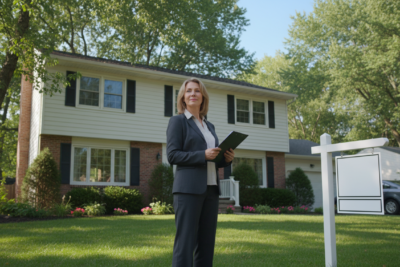
House Staging Basics Explained Tips for Your Home Sale
Can simple edits to your rooms really raise your final sale price?
You want your property to stand out in a crowded market. Staging means redecorating, rearranging furniture, and deep cleaning so your home looks its best for buyers.
The National Association of REALTORS® notes that good presentation improves listing photos and marketing. Better photos increase online interest and bring more qualified visitors to showings.
Focus on clarity: remove clutter, let light in, and highlight key features like floors, windows, or built-ins. Small decorative touches can help buyers imagine living there.
Want a practical checklist and quick wins? See these useful tips from a trusted resource on staging: staging tips for selling your house.
Ready to discover the cost-effective moves that make buyers linger and offers arrive faster?
Table of Contents
- Understanding the Core Purpose of Home Staging
- House Staging Basics Explained for Every Seller
- Essential Decluttering and Depersonalization Strategies
- Creating a Neutral and Inviting Atmosphere
- Focusing on High Impact Rooms
- Maximizing Lighting and Spatial Flow
- Professional Staging Services Versus DIY Approaches
- Budgeting for Your Staging Project
- Final Steps to Ensure Your Property Stands Out
- FAQ
Understanding the Core Purpose of Home Staging
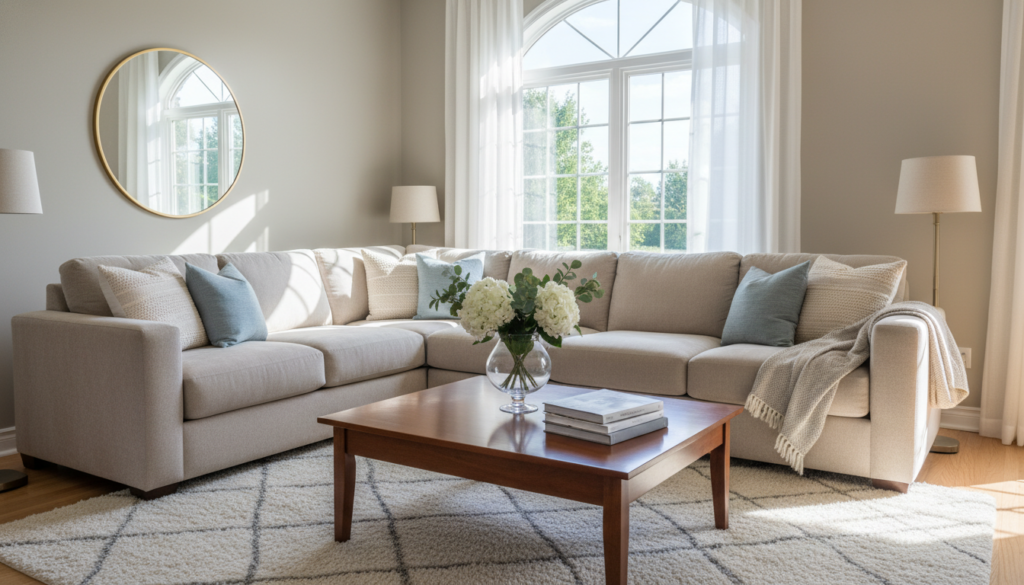
A clear, neutral setup makes it easier for visitors to imagine living in your property. The main goal of home staging is to widen appeal so more potential buyers connect with the space.
When you stage home interiors, you remove personal items and distractions. This creates a clean palette that highlights floors, light, and layout. Buyers can then picture their own furniture and routines.
- Transform rooms into neutral, inviting spaces that attract varied buyers.
- Prioritize improvements that reflect common buyer preferences.
- Focus attention on structural and aesthetic strengths of your property.
| Goal | Action | Buyer Impact |
|---|---|---|
| Neutral Appeal | Remove personal decor | Better visualization |
| Highlight Features | Declutter and clean | Focus on value |
| Create Emotion | Use simple styling | Faster offers |
Understanding buyer psychology helps you make choices that showcase the true potential of your real estate. For evidence on pricing benefits, see why home staging inspires the best.
House Staging Basics Explained for Every Seller
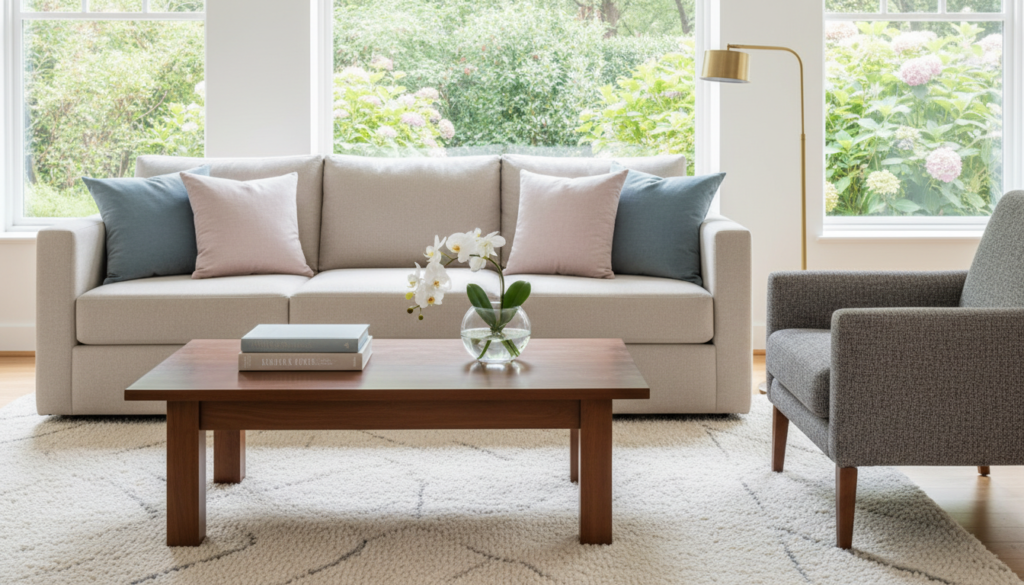
When your home feels ready to live in, buyers picture themselves staying and that speeds offers. Focused presentation creates a move-in-ready appeal that most prospects want.
The Benefits of Move-in Ready Appeal
Move-in readiness attracts more qualified buyers. Research shows 71% of buyers prefer a property that needs little work. That impression shortens the time your listing spends on the market.
Visualizing the Property as a Future Home
Clear presentation helps buyers imagine daily life. According to the National Association of REALTORS®, 77% of buyers find it easier to picture a staged property as their future home.
- 71% of buyers seek move-in-ready appeal.
- 77% find it easier to visualize a property as home.
- 62% of agents say presentation affects time on the market.
- Sellers often see higher perceived value from good presentation.
| Stat | What it Means | Seller Impact |
|---|---|---|
| 77% | Buyers visualize future living | More offers |
| 71% | Prefer move-in-ready homes | Broader appeal |
| 62% | Agents report faster sales | Less time on market |
To explore practical steps and examples, see home staging 101 for quick guidance you can apply today.
Essential Decluttering and Depersonalization Strategies
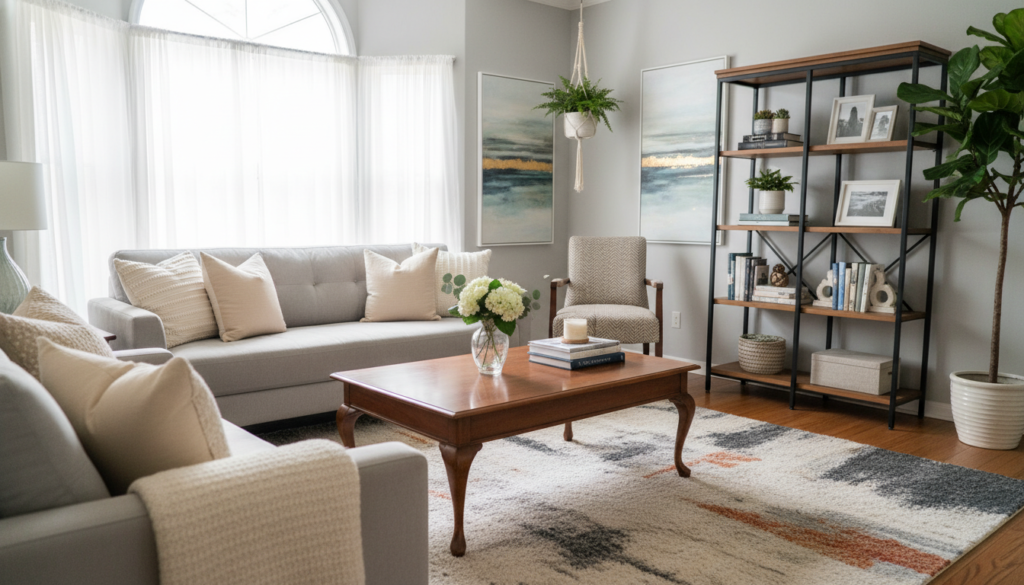
A stripped-back interior lets visitors notice light, flow, and finishes rather than personal clutter.
Be ruthless with excess furniture. Remove pieces that block traffic or make a room feel cramped. Open space helps buyers see the true scale of each area.
Clear every table surface and leave only one or two tasteful items. This creates a tidy look that appeals to most buyers.
- Remove family photos and personal keepsakes so visitors imagine their own life in the home.
- Declutter every room; a simple, ordered area feels cleaner and more inviting.
- Use small accents like fresh flowers, but keep them minimal to avoid adding clutter.
Focus on flow. When you remove bulky furniture, walkways open and buyers can move through the home with ease. That better experience often translates into stronger interest and quicker offers.
Creating a Neutral and Inviting Atmosphere
Neutral tones and thoughtful finishes help every visitor see how your rooms could fit their life. Choose light, consistent paint to make each space feel larger and brighter. A fresh coat of paint is a low-cost update that can change the way buyers experience your property.
The Psychology of Color
Neutral colors create a calming backdrop that lets buyers focus on layout and features rather than bold decor. Keep furnishings and accents simple so a buyer can imagine their own items in the room.
"Light, neutral palettes maximize natural light and improve perceived space."
- Paint strategically: use soft grays, warm beiges, or off-whites to unify rooms and boost flow.
- Avoid jarring hues and busy patterns that distract a buyer from key finishes and light.
- Keep decor minimal so buyers visualize furniture placement and lifestyle potential.
For comparisons on professional versus DIY approaches and how to present your property effectively, review a detailed guide on styling differences and practical buying tips at how to buy a house in.
Focusing on High Impact Rooms
Targeting the rooms buyers inspect first gives you the best return on time and budget. Start with spaces that influence offers most: the kitchen, living area, and master bedroom. Small edits here shape online photos and in-person impressions.
Kitchen Counter Essentials
Clear all counters to create a roomy, usable feel. Pack away small appliances and extra bags that add clutter.
Leave only one or two staged items, like a bowl of fruit or a neat coffee maker. These give warmth without crowding.
Living Room Furniture Arrangement
Arrange furniture to highlight features such as a large window or fireplace. Remove extra chairs or tables that block flow.
Prioritize sightlines: open walkways make the space feel larger and better for photos. If needed, store excess pieces off-site to improve flow.
Master Bedroom Comfort
Use neutral bedding and minimal decor to create a calm, hotel-like retreat. Remove personal items so buyers can picture their own life here.
Keep surfaces clear and add a simple accent, like fresh flowers, to signal comfort and care.
"Clear purpose for every room helps buyers understand how to use the space."
- Kitchen and master suites often sell the property focus there first.
- Make each room's purpose obvious with tidy furniture and minimal items.
- For DIY tips, review practical ideas at DIY home staging tips.
| Room | Quick Action | Buyer Impact |
|---|---|---|
| Kitchen | Clear counters, 1–2 accents | Looks spacious and clean |
| Living Room | Rearrange, remove excess furniture | Better photos, easier flow |
| Master | Neutral bedding, remove personal items | Feels relaxing and move-in ready |
Maximizing Lighting and Spatial Flow
Let natural light and clear pathways work together to make each room feel larger and more welcoming.
Open every window treatment before a showing so daylight fills the space. Bright rooms photograph better and attract more buyers during online searches.
Replace mismatched bulbs with the same color temperature to avoid distracting tones in photos. Consistent light makes walls and finishes look true to life.
Arrange furniture to create clear paths through each room. Remove extra items and small tables that block movement.
Take down heavy curtains or swap them for sheer panels so windows bring more light in. Clearing the floor of clutter gives visitors room to move and imagine family life in the area.
"A well-lit room with good flow feels more welcoming and helps buyers explore spaces with ease."
- Quick tips: open blinds, match bulbs, clear walkways, remove bulky drapes.
- Focus on sightlines to make each area read as spacious and usable.
| Action | Why it Works | Result for Buyers |
|---|---|---|
| Open window treatments | Maximizes natural light | Room feels brighter and larger |
| Match bulb color | Consistent lighting in photos | Accurate color and mood |
| Clear floors and paths | Improves spatial flow | Buyers move freely and notice features |
Professional Staging Services Versus DIY Approaches
Deciding between a pro service and a DIY refresh starts with your budget, timeline, and local market conditions. If you need results fast, a professional home stager can save weeks of effort and polish every room quickly.
About 33% of real estate agents say presentation boosts offers by 1%–5% in final sale value. A pro brings experience, a supply of furniture and decor, and an objective eye that highlights strengths for buyers.
If you go the DIY way, expect to invest your own time and sweat. Removing personal items, rearranging furniture, and cleaning take hours, but you cut cost and retain control of design choices.
- Hiring a pro often speeds showings and can increase perceived value.
- DIY saves money but requires honest effort and good taste.
- Consult your agent they can recommend local stagers who know the estate market.
"Whether you hire a professional or do it yourself, the core idea is the same: make your home look its best for buyers."
Budgeting for Your Staging Project
Smart spending on presentation can boost offers without breaking your bank. Start by noting the median cost: the National Association of REALTORS® reports a typical fee of $675. Use that as a baseline and adjust for size and market.
Many agents advise allocating between 1% and 3% of your listing price to achieve a strong look. Prioritize high-impact rooms like the kitchen and living room first.
Keep small fixes in scope: paint, cleaning supplies, and one or two new furniture pieces often deliver the biggest return. If cash is tight, a fresh coat of paint and decluttering make the most visible difference.
"Treat staging as an investment: modest upfront costs can raise final sale value and shorten time on market."
- Median cost: $675 (use as a guide).
- Agent rule of thumb: 1%–3% of listing price.
- Focus budget on kitchen, main living areas, and light improvements.
| Expense | Typical Cost | Impact |
|---|---|---|
| Paint and supplies | $100–$500 | Refreshes rooms, boosts light |
| Temporary furniture rental | $200–$1,000 | Improves layout and photos |
| Professional service | $400–$2,500 | Quick, polished result |
For more detailed estimates, consult resources like how much does home staging cost. Plan realistically, track every expense, and focus on changes that lift perceived value.
Final Steps to Ensure Your Property Stands Out
Finish with a careful walkthrough to catch small fixes that shape buyer impressions.
Before listing your home, inspect every room for dust, loose items, and dim bulbs. Clean windows and test light fixtures so natural and artificial light look consistent in photos.
Stage the kitchen and living room with simple touches a set table or fresh flowers and remove family photos or personal items to keep the space neutral for buyers.
Take high-quality photos that highlight flow, window light, and key furniture placement. Do a final curb-appeal check; the exterior is the last way to make a strong impression and help secure a faster sale.
FAQ
What is the core purpose of home staging?
Home staging helps present a property in the most attractive way possible so buyers can easily imagine themselves living in the space.
How do you prepare rooms for buyers quickly?
Declutter surfaces, remove personal items, clean thoroughly, improve lighting, and arrange furniture to create open and welcoming spaces.
Which rooms should you prioritize when staging to sell?
The kitchen, living room, and primary bedroom usually have the biggest influence on buyer impressions and purchase decisions.
How do you depersonalize without making the space feel cold?
Replace personal photos and unique decorations with neutral artwork, plants, and simple accessories to create warmth and broad appeal.
What paint colors work best to attract buyers?
Neutral shades like soft gray, warm beige, greige, and off-white generally appeal to the largest number of buyers.
How can you improve lighting to make rooms look larger?
Open curtains, clean windows, use layered lighting, and add warm-white bulbs to brighten spaces and reduce shadows.
Should you hire a professional stager or do it yourself?
Professional stagers bring expertise and furniture resources, while DIY staging can still work well with careful decluttering and room preparation.
What are cost-effective staging tips for sellers on a budget?
Focus on deep cleaning, fresh paint, furniture rearrangement, updated fixtures, and removing unnecessary clutter.
How long does effective staging usually take?
Basic staging may take a few days, while full professional staging with furniture rentals often takes one to three days plus preparation time.
How does staging affect online listing photos and viewings?
Well-staged homes photograph better, attract more online attention, and often generate more buyer showings.
What items should you remove before showings?
Remove family photos, excessive decorations, personal collections, bulky furniture, and cluttered countertops before showings.
Can small updates increase the sale price significantly?
Yes. Fresh paint, updated lighting, modern hardware, and improved curb appeal can increase perceived value and attract stronger offers.
How do you stage outdoor areas and curb appeal?
Maintain landscaping, clean entryways, trim bushes, power wash surfaces, and add simple plants or flowers near the entrance.
What role does furniture arrangement play in showing usable space?
Furniture layout helps buyers understand room flow, functionality, and how spaces can realistically be used.
How do you stage a small property to feel larger?
Use smaller furniture, mirrors, minimal decor, bright lighting, and uncluttered layouts to create a more spacious feeling.
When is it worth investing in professional photos after staging?
Professional real estate photography is highly valuable after staging because quality images attract more online views and buyer interest.
If you want to know other articles similar to House Staging Basics Explained Tips for Your Home Sale You can visit the category Real Estate.
Property Valuation Tips USA Every Homeowner Should Know

Your Rental Property Investment Guide USA Explained

How to Invest in Property USA A Beginner’s Guide

Your Guide to Real Estate Investment Basics USA

Real Estate ROI Explained Simply for Your Investment

Passive Income Real Estate USA Guide for Beginners
Leave a Reply
VISIT THESE INTERESTING ARTICLES📚