
Property Buying Checklist USA for First-Time Homebuyers

Ready to make one of the biggest financial moves of your life? This guide gives you a clear, professional roadmap to the home purchase process and helps you avoid common pitfalls.
With median home prices above $416,000 in 2023, you need a focused plan. You will learn how to assemble a team, secure a mortgage, and craft an offer that stands out in a competitive market.
Every step is designed to protect your interests and save time and money. Follow this evergreen resource to understand inspections, appraisals, closing costs, and ongoing ownership expenses
For a practical timeline and lender guidance, see this detailed guide on how to buy a house. Use it to plan your finances and feel confident during house hunting.
Table of Contents
- Assessing Your Financial Readiness
- Establishing Your Home Buying Budget
- Securing Mortgage Pre-Approval
- Assembling Your Real Estate Team
- Defining Your Property Buying Checklist USA
- Navigating the House Hunting Process
- Making a Competitive Offer
- Managing the Mortgage Application
- Conducting Essential Home Inspections
- Understanding Legal and Title Requirements
- Finalizing the Closing Process
- Settling Into Your New Home
- FAQ
Assessing Your Financial Readiness

Before you start looking at listings, confirm your financial baseline so you know what you can realistically afford.
Begin by reviewing your credit reports from Experian, Equifax, and TransUnion at annualcreditreport.com. Your credit score usually runs from 300 to 850 and plays a major role in loan terms.
Credit Score Basics
Check each report for errors and new accounts. Dispute mistakes quickly to protect your score.
Debt-to-Income Ratio
Calculate your DTI: divide monthly debt payments by gross monthly income. Lenders often view a DTI above 40% as risky.
- Pay down high-interest debts to improve approval odds.
- Create a simple budget to ensure monthly mortgage and maintenance money fits your plan.
- Keep a concise checklist to track tasks as you move toward house hunting.
Maintaining healthy finances now reduces stress later. With good credit and a manageable DTI, you will have stronger offers when the right home appears.
Establishing Your Home Buying Budget

Calculate your true monthly income and expenses first; the right budget starts with clear numbers.
Begin by totaling your take-home pay and subtracting recurring debts like student loans, car payments, and subscriptions. This gives you the monthly amount you can safely allocate to a mortgage and upkeep.
Use an online affordability calculator to estimate what a comfortable monthly payment looks like. That tool will factor taxes, insurance, and estimated HOA fees so your plan is realistic.
- Consider how much down payment you can save. A larger down payment lowers mortgage costs.
- Set aside 10% to 20% of monthly income as an emergency fund for unexpected home repairs.
- Be honest about needs versus wants during house hunting to avoid stretching your budget.
"A clear budget keeps your search focused and protects your long-term goals."
For step-by-step guidance on planning and timelines, see the steps to homeownership and this first-time home buyer guide. These resources help you match price range with realistic purchase options.
Securing Mortgage Pre-Approval
Start the mortgage pre-approval process now to sharpen your offer strategy in a busy market.
Pre-approval is a formal step that goes beyond a basic pre-qualification. It requires a detailed loan application, income verification, and recent bank statements.
This letter gives you a maximum loan amount, but it is not a final guarantee. Lenders still verify details before closing.
Pre-Approval vs Pre-Qualification
Pre-qualification is a quick estimate based on your self-reported finances. Pre-approval is a rigorous review of your credit and documents.
- Obtaining a pre-approval letter shows sellers you are a serious buyer in a competitive market.
- Ask your lender clear questions about interest rates, closing fees, and total mortgage costs.
- Keep in mind a pre-approval amount is a limit, not a mandate to spend all that money on a home.
- Use a mortgage calculator to test different rates and down payments and see monthly payments.
In fast markets, having pre-approval saves you valuable time and lets you submit a strong offer quickly. Always remember it remains a preliminary review until underwriting completes.
Assembling Your Real Estate Team
A strong real estate team gives you local insight, negotiation power, and peace of mind.
Start by interviewing two or three agents who work in your target area. Ask about recent sales, typical timelines, and how they communicate during the buying process.
Choose an agent with verifiable experience who knows nearby homes and local market trends. A skilled real estate agent finds hidden listings and spots red flags you might miss.
Include a mortgage specialist on your team early. They explain loan options and help you lock an interest rate that fits your money plan.
A professional estate agent protects you during negotiations and reviews contracts for surprise clauses. Their advocacy can save you time and money at closing.
Build a collaborative relationship. Clear expectations and regular updates keep the search focused and reduce stress during the purchase.
assemble your home-buying team
Defining Your Property Buying Checklist USA
Start with a focused list that separates absolute needs from pleasant add-ons before you tour any home.
Must-haves are non-negotiable: number of bedrooms, minimum square footage, and a safe commute. List these first so you avoid wasting time on houses that miss the basics.
Nice-to-haves include features like a chef's kitchen or an oversized garage. These are worth noting, but they should not derail your search or raise the final price beyond comfort.
Neighborhood Vibe
Assess the neighborhood by walking the blocks, checking nearby parks, and reviewing local school ratings. Think about long-term resale value and whether homes in the area historically hold their price.
Interior Essentials
Note potential issues during tours: age of HVAC, roof condition, and visible cracks. You will verify these with a thorough home inspection, but spotting them early helps prioritize showings.
- Set clear criteria for square feet and lot size to keep searches focused.
- Work with a trusted real estate agent to rank needs and avoid distractions.
- Keep long-term goals front of mind so the right home serves you for years.
"Separate your must-haves from wants to make confident, efficient decisions."
For lender and timeline guidance as you refine your list, see the first-time homebuyer guide.
Organize viewings and notes from day one to move quickly when the right home appears.
Attend open houses to learn what the local market offers and to compare layouts and finishes. Your real estate agent will help you rank homes, spot issues, and adjust criteria as you learn.
Expect the timeline from accepted offer to closing to take about 30 to 45 days. That time covers inspections, appraisal, and final mortgage approval.
- Document each tour in your checklist so you can compare facts, prices, and pros/cons later.
- Be ready to be flexible—balancing must-haves and inventory often yields the best outcome.
- When you find your dream home, your agent will help structure a competitive offer.
| Step | Who | Typical Time |
|---|---|---|
| Open houses & tours | You & agent | Ongoing |
| Offer to contract | Agent | 1–7 days |
| Inspections & mortgage | Lender & inspectors | 14–30 days |
Stay organized and keep clear notes so the move from searching to making an offer is smooth and less stressful. For help on preparing your finances and next steps, review how to buy a home and a guide to read listings.
Making a Competitive Offer
A well-timed, well-structured offer separates serious buyers from casual shoppers in a hot market.
When making offer decisions, your real estate agent will analyze recent comparable sales to set a fair purchase price. Work with them to balance an aggressive number with terms that protect your mortgage and closing timeline.
Earnest Money Deposits
Earnest money typically ranges from 1% to 3% of the purchase price. This deposit shows sellers you are committed and helps your offer stand out in competitive situations.
Include sensible contingencies so you can inspect the home and secure financing. Your agent and estate agent can advise which clauses are standard and which might weaken your deal.
- Track offer status and counter-offers in your checklist section to stay organized.
- Act quickly if this is your dream home; other buyers may bid too.
- Address potential issues during negotiation to avoid surprises later.
| Item | Typical Range | Who |
|---|---|---|
| Earnest money | 1%–3% of purchase price | Buyer |
| Contingency types | Inspection, appraisal, financing | Buyer & agent |
| Offer review | 24–72 hours recommended | Agent & buyer |
"A well-crafted offer is the most important step in securing the house you want."
Managing the Mortgage Application
After your offer is accepted, the mortgage application becomes the central focus of the next few weeks.
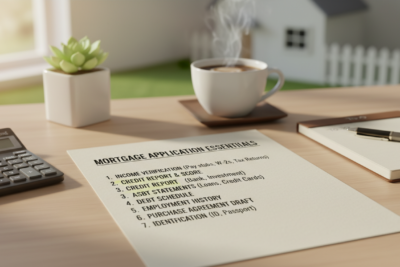
Start this step immediately. Submit every requested doc pay stubs, tax returns, bank statements, and ID to your lender as soon as possible. Keep a running checklist of what you provided so nothing is missed.
Underwriters will review your finances in detail and may ask for letters of explanation or extra records. Answer their questions quickly. Clear, timely responses speed approval and reduce stress.
- Avoid large purchases or new credit inquiries while your loan is in process.
- Expect verification calls for employment and bank accounts.
- Stay organized during house hunting so documents are ready when needed.
Keep close communication with your loan officer. Proactive management of the mortgage application helps you move toward closing with confidence.
"Proactive document delivery and clear communication are the fastest routes to loan approval."
For a full timeline and helpful tools, see this home buying checklist guide.
Conducting Essential Home Inspections
A detailed home inspection helps you understand the real condition of the house you plan to purchase.
Structural and Functional Checks
Hire a licensed inspector who inspects foundation, roof, electrical, plumbing, and HVAC. Their report will list defects, urgency, and estimated life span of major systems.
Keep a written checklist during the visit so you can compare notes later with your agent. If the inspection finds serious problems, you may negotiate repairs, a price reduction, or even withdraw your offer.
Pest and Termite Concerns
Ask whether pest and termite inspection is included or if you must order a separate exam. Termite damage and pests can cause structural problems that raise repair costs and affect insurance.
- Make sure the inspector provides clear photos and a prioritized list of issues.
- Prepare questions about maintenance, typical repair time, and expected price ranges.
- If major defects appear, you may need to pause the mortgage process until remedies are agreed.
"Never skip the inspection; it protects your investment and gives you negotiating power."
For practical inspection tips, read an inspection walkthrough guide. To better understand listing terms you may see after inspection, review real estate listing terms explained.
Understanding Legal and Title Requirements
A clean title and clear contract language are the backbone of any safe home purchase.
Depending on your state, you may need a real estate attorney to review the purchase contract and ensure local law compliance. An attorney protects your rights and flags complex clauses before you sign.
Order a title search early. It confirms there are no undisclosed liens, easements, or disputes that could delay closing or create future problems.
- Your agent can recommend an experienced attorney familiar with rules in your area.
- Track legal documents in a dedicated section of your checklist so nothing is missed before closing.
- Address title issues promptly to avoid last-minute surprises that jeopardize the home purchase.
| Legal Task | Who | When |
|---|---|---|
| Attorney review of contract | Real estate attorney | After offer acceptance |
| Title search & lien check | Title company / attorney | Within 7–14 days |
| Title insurance | Buyer / lender | Before closing |
"Address legal issues early so the closing stays on schedule."
For guidance on working with your agent, see a helpful list of questions to ask your real estate that will keep legal and title matters on track.
Finalizing the Closing Process
A careful final walkthrough helps you spot any last-minute issues that could affect your closing.
Final Walkthrough
This is your last chance to confirm the home is in the agreed condition before you sign closing documents. Walk every room, test systems, and verify completed repairs. If something is missing or damaged, raise it with your agent immediately.
Review the Closing Disclosure and all loan paperwork to ensure the mortgage terms and final price match what you expected. If you have any questions about fees or the final amount due, ask your lender or attorney before you sign.
- Bring valid ID and a certified check for closing costs, as instructed by your lender.
- Confirm the deed, mortgage documents, and signatures are correct; signing transfers ownership of your dream home.
- If the sellers did not finish agreed repairs, pause signing and resolve the issue through your agent or escrow holdback.
"Staying organized on closing day makes the experience smooth and marks the start of life in your new house."
For a concise closing checklist and to follow expected timelines for final mortgage steps, review this mortgage timeline. Being prepared saves time and money and helps you enjoy the moment you receive the keys.
Settling Into Your New Home
After closing day, quick steps can make the transition into your new home calm and organized.
Start by activating utilities electricity, water, and internet so services are ready when you arrive. Change the locks and test smoke and CO detectors for safety. Use a moving moving checklist to keep boxes labeled and priorities clear.
Explore the neighborhood to learn about nearby shops and services. If questions arise about the purchase or local vendors, contact your agent for trusted referrals. Update your address with banks, your employer, and your mortgage lender so bills and statements arrive on time.
Enjoy making the space your own this stage rewards all your effort during house hunting and the buy home process.
FAQ
What is the first step in the property buying process for a first-time homebuyer?
Begin by reviewing finances, checking credit, calculating affordability, and obtaining mortgage pre-approval before searching for homes.
How does my credit score affect mortgage options?
Higher credit scores usually qualify borrowers for lower interest rates and better financing opportunities from lenders overall.
What is debt-to-income ratio and why does it matter?
Debt-to-income ratio measures monthly debts against income and helps lenders evaluate repayment ability and financial risk levels.
How do you establish a realistic home budget?
Calculate mortgage costs, taxes, insurance, maintenance, savings goals, and emergency reserves before setting purchase expectations carefully.
What’s the difference between mortgage pre-approval and pre-qualification?
Pre-qualification estimates affordability, while pre-approval verifies financial documents and strengthens buyer credibility during negotiations significantly.
Who should be on your real estate team?
Your team may include agents, lenders, attorneys, inspectors, appraisers, and contractors supporting different transaction responsibilities professionally.
How do you decide must-haves versus nice-to-haves when shopping for a home?
Prioritize essential lifestyle, commute, safety, and resale needs while remaining flexible on less important desired features overall.
What should you consider about a neighborhood’s vibe?
Research traffic, schools, safety, amenities, noise levels, and future development plans affecting long-term neighborhood desirability greatly.
What interior features should you inspect closely?
Inspect roofing, plumbing, HVAC systems, insulation, electrical panels, windows, and structural signs of potential hidden property damage.
How can you make a competitive offer in a hot market?
Submit strong financing documentation, competitive pricing, flexible terms, and reasonable contingencies improving seller confidence substantially overall.
What is earnest money and how much should you offer?
Earnest money demonstrates purchase commitment and usually ranges between one and three percent of agreed property value.
What happens during the mortgage application after your offer is accepted?
Lenders verify finances, order appraisals, review underwriting conditions, and finalize loan approval before closing schedules proceed successfully.
What should a thorough home inspection cover?
Inspections evaluate structural integrity, roofing, electrical systems, plumbing, HVAC performance, and major appliance operating conditions carefully.
Are pest and termite inspections necessary?
Yes. Pest inspections identify hidden structural damage risks and may satisfy lender or regional transaction requirements before closing.
What legal and title steps must you complete before closing?
Complete title searches, insurance reviews, lien resolution, disclosure verification, and legal documentation before ownership transfer finalization occurs.
What should you do during the final walkthrough?
Verify repairs, inspect property condition, test systems, and confirm agreed fixtures remain before completing closing documentation procedures.
How do you prepare for moving into your new home?
Transfer utilities, organize insurance, schedule movers, update addresses, and create maintenance plans protecting long-term property value.
What common closing costs should buyers expect?
Typical closing costs include lender fees, appraisal expenses, escrow charges, title insurance, taxes, and prepaid insurance items.
How can you avoid surprises during the home purchase process?
Maintain organized records, communicate consistently, review documents carefully, and complete inspections before finalizing property transactions successfully.
If you want to know other articles similar to Property Buying Checklist USA for First-Time Homebuyers You can visit the category Guides.
Complete Mortgage Application Checklist USA for You

Mortgage Basics Explained USA A Guide for Homebuyers

How Loans Work Simple Explanation for Your Finances

Credit Basics USA Explained to Help You Build Strong Credit

Understanding Interest Rates Basics What You Need to Know

Real Estate Basics USA Your Guide to Smart Home Buying
Leave a Reply
VISIT THESE INTERESTING ARTICLES📚