

Mortgage Options Explained A Guide to Your Best Choice

Can one simple decision today save you thousands over the life of a home loan?
You face many paths when buying property in the United States. Choosing the right mortgage can shape your monthly budget and long-term wealth.
This short guide helps you compare common loan types, from government-backed programs to conventional loans. It shows how term length, interest structure, and down payment needs affect cost and risk.
Start by assessing your credit, income, and goals. Then learn to read Loan Estimates and weigh trade-offs like payment stability versus initial savings.
For a clear overview of the different loan programs available, see this official resource. That will help you match a mortgage to your unique plan.
Table of Contents
- Understanding Mortgage Options Explained
- Conventional Loans for Homebuyers
- Government Backed Loan Programs
- Jumbo Mortgages for Luxury Properties
- Fixed Rate Mortgage Benefits
- Adjustable Rate Mortgage Considerations
- Construction Loans for Building Your Home
- Reverse Mortgages for Senior Homeowners
- Second Mortgages and Home Equity
- Evaluating Your Credit and Financial Health
- Assessing Down Payment Requirements
- Mapping Your Loan Choice to Your Exit Strategy
- Working with Lenders and Loan Officers
- Taking the Next Step Toward Homeownership
Understanding Mortgage Options Explained

Understanding how loan categories differ is the first step to picking the right home financing path.
The industry groups loans by three key factors: who backs the program, how long the term runs, and whether the rate is fixed or adjustable. This framework helps you compare mortgage types without getting lost in jargon.
Most lenders review your debt-to-income ratio and credit history before approving a mortgage loan. Those numbers shape which loans you can access and what interest rate you may receive.
Compare programs to spot trade-offs like lower up-front costs versus long-term stability. Think of a loan as a tool for your broader financial plan, not just a monthly bill.
- Know the basic types so you can ask smarter questions.
- Match a loan to your timeline, income, and risk tolerance.
- Use comparisons to identify the best option for your home purchase.
Conventional Loans for Homebuyers

For borrowers with strong credit, conventional products often deliver competitive rates and fewer program limits.
Conventional lending splits into conforming and non-conforming paths. Conforming loans follow standards set by Fannie Mae and Freddie Mac, including the 2025 single-family limit of $806,500. Lenders check your credit score, income, and debt-to-income ratio to qualify.
Conforming Loans
These loans meet GSE requirements for documentation, limits, and underwriting. If you put down less than 20%, you usually pay private mortgage insurance until equity rises.
Non-Conforming Loans
Non-conforming loans, like jumbo loans, exceed standard limits and often require a higher credit score and stricter income verification. Interest rates and costs can vary with the amount you borrow and your credit profile.
- Conventional loans are the most common type of mortgage in the U.S.
- Lenders evaluate income and DTI carefully to ensure monthly payments are manageable.
- These loans can be used for primary residences, second homes, or investment property.
Learn more about specific types of conventional loans and compare broader types of mortgage loans to find what fits your plan.
Government Backed Loan Programs
If you lack a large down payment or a perfect credit score, federal programs can help you buy a home.
These loan types lower entry barriers by offering flexible credit terms, lower down payments, and targeted support for veterans and rural buyers.
FHA Loans
FHA loans let you put down as little as 3.5% when your credit score is 580 or higher. The Federal Housing Administration insures the lender against default, which lets borrowers with lower scores access a mortgage loan.
VA Loans
If you are a veteran or active-duty service member, VA loans can let you buy with no down payment and no private mortgage insurance. This path often reduces up-front costs and simplifies qualifying.
USDA Loans
USDA loans focus on low-to-moderate income buyers in eligible rural areas. They may offer zero-down financing, but property and income requirements apply.
- These programs often carry program fees or mortgage insurance to protect taxpayers.
- Each type has specific property and lender requirements, so documentation matters.
- Working with a lender who knows these programs speeds approval and limits surprises in rates and costs.
| Program | Typical Down Payment | Credit / Score | Key Benefit |
|---|---|---|---|
| FHA | 3.5% (580+ score) | Flexible credit | Lower barrier to qualify |
| VA | 0% | Service eligibility | No PMI, 100% financing |
| USDA | 0% | Income limits | Rural-area support |
Jumbo Mortgages for Luxury Properties
When the home's price outgrows standard loan limits, you need a different financing path.
Jumbo loans cover high-value properties that exceed FHFA conforming limits. These loans are not backed by Fannie Mae or Freddie Mac, so lenders treat them as higher risk and apply stricter underwriting.
You will usually need a strong credit score—commonly 700 or higher—and a low debt-to-income ratio to win a competitive rate. Many lenders ask for a down payment of 10%–20% and proof of significant cash reserves.
Despite larger amounts and tighter rules, interest rates on jumbo loans can be close to conventional rates today. Still, you should compare lenders since requirements, costs, and program features vary widely.
- Designed for luxury or high-priced properties outside standard limits
- Higher credit and reserve requirements than conforming loans
- Shop multiple lenders to find the best rates and terms
| Feature | Typical Requirement | Why it matters |
|---|---|---|
| Credit score | 700+ | Lower scores raise rates or limit access |
| Down payment | 10%–20% | Reduces lender risk on large amounts |
| Cash reserves | Several months of payments | Shows capacity to handle payments |
Fixed Rate Mortgage Benefits
When you want certainty, a fixed rate delivers a predictable path for home financing.
With a fixed-rate loan, your principal and interest portion of the payment won't shift as market rates move. This stability usually applies to common terms like 15 or 30 years and protects you from rising interest rates later on.
Your monthly payment for principal and interest stays the same for the life of the loan, so you can budget with confidence.
Predictability in Monthly Payments
That steady payment makes it easier to plan other costs like taxes and insurance, which may still change over time.
- A fixed-rate loan is ideal if you value long-term stability and steady payments.
- Rates may start slightly higher than adjustable products, but the locked interest can save you stress and surprise costs.
- Choose a 30-year term for lower payments or a 15-year term to build equity and pay less interest overall.
"Locking in a fixed interest rate helps you control the largest portion of your monthly housing expense."
| Feature | Typical Choice | Why it matters |
|---|---|---|
| Term | 15 or 30 years | Balances payment size and total interest paid |
| Payment | Principal + interest fixed | Budget certainty despite market swings |
| Escrow items | Taxes & insurance vary | Watch how mortgage insurance and escrow affect total monthly cost |
Adjustable Rate Mortgage Considerations
An ARM can cut initial monthly payments by offering a below-market interest rate for the opening years.
Understand the structure. Many adjustable-rate mortgages start with a fixed rate for a set period—commonly five years—then adjust based on market indexes. After that initial period, your rate and payment can change annually or at another agreed interval.
Consider your timeline. If you plan to sell or refinance within the first few years, an ARM may save you on interest and lower early payments. But if you keep the home long term, rising rates can increase monthly costs.
- Initial savings: Lower interest and smaller payments during the fixed period.
- Adjustment caps: Limits on how much the rate can rise at each change and over the life of the loan.
- Index and margin: These determine future rate moves know both before you sign.
Prepare for uncertainty. If market rates climb, your payment will too. Plan with a budget that can absorb higher payments and consider how insurance and taxes affect total housing costs.
"A 5/1 ARM gives a fixed rate for five years, then adjusts yearly ideal if your exit plan aligns with that window."
Before you choose, review your score, expected income growth, and long-term plans. For a deeper look at structure and risks, see this adjustable-rate mortgage guide.
Construction Loans for Building Your Home
A construction loan bridges the gap between raw land and a finished residence by releasing funds as work completes.
Construction-to-permanent loans combine the build phase and the long-term mortgage into one closing.
During construction you usually make interest-only payments on the amount disbursed. Once the house is ready, the loan converts to a standard mortgage and your regular payments start.
Construction to Permanent Loans
These loans simplify financing because you avoid two separate closings. You still must supply detailed plans, a budget, and builder contracts to qualify.
Construction Only Loans
A construction-only loan covers the build but must be paid off or refinanced at completion. Lenders treat these as riskier, so rates and documentation demands are higher.
- Draw schedules pay builders at agreed milestones.
- Higher credit scores and larger down payments are common requirements.
- Work closely with an experienced builder and loan officer to keep timelines and payments on track.
"A clear budget and strong team reduce surprises during construction."
Reverse Mortgages for Senior Homeowners
If you are 62 or older, tapping your home's equity can fund retirement needs without monthly payments.
A reverse loan converts part of your home equity into tax-free cash. You can take a lump sum, set up monthly payments, or create a line of credit to use as needed.
The loan balance is usually repaid when you sell the property, move out permanently, or pass away. Interest and fees accrue over the term, so the balance grows until repayment.
To qualify you must be at least 62 and own your primary residence with significant equity. You must keep paying property taxes and homeowners insurance to avoid defaulting on the agreement.
- A reverse mortgage is designed to supplement retirement income while you remain in your home.
- The amount you can borrow depends on your age, the current interest rate, and the home's appraised value.
- Federal counseling is required so you clearly understand long-term effects on heirs and estate planning.
"This tool can help you age in place by unlocking the wealth tied up in your house."
Second Mortgages and Home Equity
If you need cash but want to keep living in your home, a second lien can unlock equity without refinancing your primary loan.
A second mortgage either a home equity loan or a HELOC uses your property as collateral to provide extra financing. These loans sit behind your first mortgage, so they are paid after the primary lien if you sell the property.
Home equity loans give you a lump sum with a fixed interest rate and set payment schedule. A HELOC works like a revolving line of credit with variable rate draws and flexible payments.
- Tap equity for renovations, debt consolidation, or education costs.
- Lenders check your debt-to-income ratio and the amount of equity before approval.
- Because they are secured, rates often beat unsecured personal loans and credit cards.
Missing payments on a second loan can put your home at risk. Compare lenders and total costs carefully and think about long-term budgeting.
"Some homeowners use a second lien to reduce private mortgage insurance by lowering the first loan balance to 80% of value."
Read a detailed comparison of a second mortgage vs home equity loan to decide which path matches your goals.
Evaluating Your Credit and Financial Health
A clear picture of your finances helps you choose the right loan and avoid surprises at closing.
Your credit score is one of the strongest levers a lender uses to set the interest rate you receive. Review your report, dispute errors, and aim for on-time payments for several years to show reliability.
Keep your debt-to-income ratio low. Lenders want confidence you can make each payment for the life of the loan.
Please document steady income and employment history. This proves to a lender you can support monthly payments and reduces the chance of last-minute underwriting issues.
- Check your credit scores and address mistakes early.
- Plan for private mortgage insurance if your down payment or score is low.
- If you consider adjustable-rate mortgages, make sure your finances can handle higher rates after five years.
"Proactive credit management increases your chances of securing a loan that matches your budget."
| Factor | What lenders check | Why it matters | Action |
|---|---|---|---|
| Credit score | Report, history of payments | Drives rate and eligibility | Dispute errors; pay on time |
| Debt-to-income | Monthly debts vs income | Affects approval and rate | Reduce balances; avoid new debt |
| Income & employment | Recent paystubs, tax returns | Shows ability to pay | Gather documents; explain gaps |
Assessing Down Payment Requirements
The amount you save for a down payment shapes your financing path and future equity growth.
Down payment rules vary by program. Some federal programs allow 0% down, while many conventional lenders expect up to 20%. That variance directly changes your loan-to-value ratio and monthly payment.
Saving more reduces how much you must borrow and can lower the interest rate you receive. If your credit is limited, lenders may ask for a larger upfront amount to approve a loan.
- The size of your down payment is a major factor in overall loan terms and interest.
- First-time buyers can qualify with as little as 3%–3.5% down on some programs.
- Lower credit or a weaker score may mean higher down payment requirements.
- Remember closing costs and documentation rules for gift funds from family.
- Start with realistic savings goals to build equity faster and gain flexibility later.
"A larger down payment lowers what you owe and speeds equity building."
Review specific requirements for the loan types you target and factor in your income, credit standing, and how many years you plan to stay in the home before you decide how much to save.
Mapping Your Loan Choice to Your Exit Strategy
Choosing a loan without a clear exit plan often increases your long-term costs.
Decide how long you plan to stay in the home. If you expect to move within a few years, a lower-cost adjustable loan may match your timeline. If you plan to remain for decades, a fixed-rate option usually gives better stability and predictable payments.
Factor in your expected income growth and credit score improvements. Rising income or a better score can let you refinance to a shorter term and pay down principal faster.
Also estimate equity progression. A faster build in equity can fund future moves or reduce reliance on second loans.
- Short stay: consider lower initial costs and flexibility.
- Long stay: prioritize rate stability and total interest saved.
- Prepare for market changes and keep refinancing as an option.
"Align your loan to your timeline so financing supports, not hinders, your next move."
| Horizon | Best loan type | Key benefit |
|---|---|---|
| Under 5 years | Adjustable-rate loan | Lower initial payments; save near-term interest |
| 5–15 years | Hybrid fixed/adjustable | Balance of early savings and later stability |
| 15+ years | Fixed-rate loan | Predictable payments; long-term cost control |
Working with Lenders and Loan Officers
A skilled loan officer guides you through paperwork and choices so you can close with confidence.
Find a lender who listens. A good officer explains your mortgage options clearly and reviews fees, interest rates, and timelines. You should feel comfortable asking questions at every step.
Independent lenders often handle processing in-house. That end-to-end service can speed approvals and cut closing delays.
Your loan officer collects the documents needed to verify income, credit, and assets. Clear communication helps solve issues quickly and keeps your home purchase on schedule.
- Interview multiple lenders to compare service and responsiveness.
- Ask about total closing costs and any lender fees up front.
- Make sure you understand the terms of your home loan before signing.
"A trusted lender turns a complex set of steps into a manageable plan."
Taking the Next Step Toward Homeownership
Now is the time to turn knowledge into action and move toward closing day.
Begin by contacting a trusted lender to review your finances and get pre-approved for a home loan that fits your budget.
Focus on a plan that matches your long-term goals so the best mortgages give you stability, not surprise costs.
Keep monitoring your credit and savings while you gather documents and compare offers. For a clear checklist of pre-approval steps, visit the pre-approval steps and application guide.
With the right prep and a reliable lender, you can move forward with confidence and secure the home loans you deserve.
If you want to know other articles similar to Mortgage Options Explained A Guide to Your Best Choice You can visit the category Mortgage.
How Conventional Loans USA Can Help You Buy a Home

Your Guide to Types of Mortgages USA and How They Work

Choosing the Right Mortgage A Guide for Your Home Loan

Step by Step Home Buying Process USA Made Simple
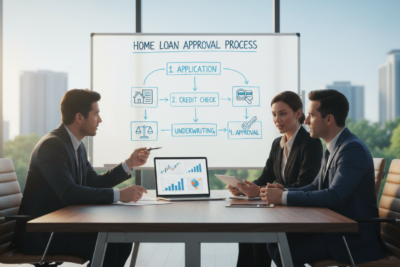
Loan Approval Process Explained for Your Home Loan

Loan Preparation Checklist USA Every Borrower Should Use
Leave a Reply
VISIT THESE INTERESTING ARTICLES📚