
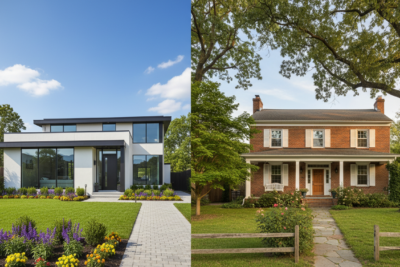
Buying New Construction USA How to Buy with Confidence
Ever wondered what it really takes to move from dreaming about a home to signing the build contract? You’ll learn how the process for a newly built house differs from resale, and what steps keep you in control.
Start with numbers: the median sale price for existing homes sits around $370,700, while an average build can cost about $452,000. That gap matters when you set expectations and budget.
This short guide explains how to manage timelines, vet your builder, and work with your real estate agent so you avoid surprises. You’ll get clear advice on financing, warranties, and final walkthroughs.
Want a local perspective? See a practical walkthrough for Oregon that highlights timelines, energy codes, and lender options in this helpful resource: how to buy new homes in.
Table of Contents
- Understanding the New Construction Market
- Pros and Cons of Buying New Construction USA
- Identifying the Right Type of Builder
- Essential Steps for Finding a Real Estate Agent
- Navigating the Financing Process
- Making Smart Design and Upgrade Decisions
- Reviewing the Builder Contract
- Managing the Construction Timeline
- Importance of Third Party Inspections
- Handling Change Orders During Construction
- Preparing for the Final Walkthrough
- Closing on Your New Home
- Moving Into Your Newly Built Dream Home
- FAQ
Understanding the New Construction Market
A growing number of buyers are turning toward homes under development to avoid fierce competition for existing listings.
Why this matters: With the median sale price for existing homes around $370,700, a new construction home can offer modern layouts and energy efficiency that older properties often lack.
In a low-inventory real estate market, choosing a construction home can reduce time in bidding wars and give you clearer timelines for move-in. Many builders are increasing supply in suburban developments to meet demand.
Evaluate reputation and long-term value before you commit. Look at past projects, warranty terms, and local resale trends so you can compare cost versus benefit.
Remember: local market conditions shape pricing and timing. If you need a practical walkthrough on process and timing, see this guide on how to buy a house.
Pros and Cons of Buying New Construction USA
A clear view of benefits and hidden expenses keeps your purchase on track and your budget intact.
Energy Efficiency Benefits
Modern builds often deliver better efficiency through improved insulation, ENERGY STAR appliances, and up-to-date HVAC systems. This can lower monthly utility bills and reduce maintenance headaches.
The advanced systems also mean fewer immediate repairs compared with older properties. Over time, those savings can offset a higher purchase price.
Base price figures frequently exclude important items. Things like fencing, window coverings, driveways, and landscaping can add up fast.
Set aside a contingency fund so surprise expenses don’t derail your budget. Ask the builder for a clear list of standard features and optional upgrades.
"Always compare the total cost of a new home against the maintenance needs of older houses in the same area."
- Energy-efficient features lower utilities but may raise the initial price.
- Standard vs. upgraded items affect your final cost ask for line-itemized lists.
- Warranties and modern systems bring peace of mind but check what is covered.
| Factor | Typical Benefit | Possible Extra Cost |
|---|---|---|
| Energy efficiency | Lower utilities, modern appliances | Upgraded HVAC, smart-home options |
| Warranties | Structural and systems protection | Extended warranty fees |
| Customization | Personalized layout and finishes | Upgrade charges for fixtures and cabinetry |
| Site work | Fresh landscaping, new lot | Driveway, fencing, sod, irrigation |
For a deeper look at pros and cons, see this guide to pros and cons. If you are a first-time buyer, this first-time buyer guide can help you budget for extra costs.
Identifying the Right Type of Builder
Different builder types deliver very different levels of choice, cost, and speed.
Start by deciding how much control you want over design and budget.
Tract builders purchase large lots and build subdivisions with set floor plans. This approach keeps the base price lower and the timeline predictable.
Custom builders let you shape a custom home from the ground up. Expect higher cost and longer timelines, but greater control over finishes and layout.
- Spec homes: fastest move-in, limited personalization.
- Semi-custom: pick plans and add select upgrades for balance.
- Fully custom: design freedom, higher cost and oversight.
"Choose the builder whose experience matches the type of lot and finishes you want."
| Builder Type | Typical Cost Impact | Control / Options |
|---|---|---|
| Tract | Lower | Limited floor plans, affordable upgrades |
| Semi-custom | Moderate | Select finishes, some layout tweaks |
| Custom | Higher | Full design control, bespoke options |
Tip: Ask any prospective builder about past projects on similar lots. That helps you estimate final cost and likely upgrades.
Essential Steps for Finding a Real Estate Agent
An experienced agent turns complex builder paperwork into clear choices you can act on with confidence.
Start by vetting experience with developer deals. Ask whether the agent regularly represents buyers at model homes and track records with local builders. Kari Gordon, an Orchard Home Advisor, warns that builder contracts differ a lot from standard resale agreements.
Many developments require you to register your real estate agent at the first site visit. Bring your representative so they can be recorded and protect your rights.
- Have your agent review contracts before you sign anything for a new construction home.
- Use your agent as a buffer to manage communication and keep the builder accountable.
- Coordinate transactions: If you sell a house while buying new, your agent can sync both closings.
"Never sign a contract for a new home without having your own agent review the fine print."
| Step | What to Ask | When to Involve | Benefit |
|---|---|---|---|
| Verify experience | Completed builds, references | Before site visit | Fewer surprises in contract |
| Register agent | Builder policy and registration | First model visit | Agent earns commission, protects you |
| Contract review | Warranties, change orders | Before signing | Safer terms, clearer costs |
| Manage sale/close | Timeline coordination | Throughout build | Smoother move and financing |
For guidance on whether to represent yourself at a builder site, see going it alone with the builder. Also review useful prompts in questions to ask your property agent before your first meeting.
Securing the right funding keeps your project on schedule and prevents surprises at closing. Financing a new construction home requires coordination between you, your lender, and the builder. Lenders release funds as work passes inspected milestones, so timing matters.
Understanding Construction Loans
Construction loans usually require a larger down payment often 20% to 25% and carry higher rates than a standard mortgage. These short-term loans fund materials and labor through phases of the build.
Many buyers prefer a construction-to-permanent loan. It converts to a standard mortgage when the house is complete, which simplifies closing and avoids requalification.
Working with Preferred Lenders
Compare terms. When a builder suggests a preferred lender, always shop rates and fees. The total costs depend on your credit, loan type, and builder requirements.
Your lender will inspect progress before each disbursement and will not allow final closing until the property is finished.
"Ask about rate locks and the lender’s experience with documentation for a custom home or new build."
- Confirm down payment and interest rate options.
- Understand inspection-triggered draws and timing.
- Get written terms on rate locks and conversion to mortgage.
Making Smart Design and Upgrade Decisions
A staged model home can mislead your budget; prioritize lasting upgrades over showroom flair.
Start with priorities: focus on the kitchen and master bathroom first. These rooms offer the best balance of daily enjoyment and future resale value.
During the design consultation, your builder will show options for flooring, cabinetry, and other home features. Ask for a clear list that separates standard items from extras.
- Keep upgrades limited to those that add long-term value to the property.
- Handle some cosmetic choices, like lighting, after move-in to save money.
- Remember: structural changes are costly and hard to reverse later.
Think about maintenance when picking materials. Durable finishes reduce upkeep and keep the estate attractive to future buyers.
Practical tip: review the design catalog early and set a firm upgrade budget. That keeps the selection process simple and the overall project on track.
Reviewing the Builder Contract
Before you sign, the builder contract becomes the single document that controls scope, schedule, and cost.
Why this matters: the agreement sets the completion date, the total price, and the list of standard finishes for your home. Treat it as the legal foundation for your purchase.
Key Warranty Terms to Look For
Ask your agent to read the contract line by line. Verify that every agreed feature and the final price appear in writing. This protects your purchase price if the builder changes the scope.
- Scope: Confirm which systems and items the warranty covers and for how long.
- Timeline and penalties: Insist on a clear completion date and remedies if deadlines slip.
- Price protection: A good contract limits unexpected increases unless you request upgrades.
- Claims process: If the warranty is limited, ask how to file a claim and what documentation is needed.
Practical tip: review warranty language for exclusions, and never hesitate to get legal or agent advice on unclear clauses.
"The contract is your primary protection against delays or changes in the agreed plan."
For more cautions and common errors, read this guide on mistakes to avoid when buying new construction. If you're comparing relocation steps or cross-border purchases, consider steps to purchase a home internationally.
Managing the Construction Timeline
Managing the calendar for a house project means tracking milestones closely and asking for weekly progress notes.
Expect about seven months for a typical single‑family build and plan for nine months or more if you are doing a custom home. Use that time estimate when you arrange leases or plan a move.
Ask your builder for a phased schedule and regular updates after each stage. Weather, materials, and permit delays are common. Keep a simple log of milestone dates and photos so you can compare progress against the agreed timeline.
- Review each phase so inspections align with lender draws.
- Factor in extra weeks for finishes and punch‑list work.
- Stay in open communication to solve issues quickly.
"Patience and clear records are your best tools when a project needs extra time."
For a detailed timeline you can share with your team, see this construction process timeline.
Importance of Third Party Inspections
A third-party inspection gives you an independent check that the house meets safety and code requirements before closing.
Never assume a freshly built home is flawless. A professional home inspection finds hidden defects and any code violations. It is your last chance to catch problems before final paperwork.
The inspector will review the structure, electrical systems, HVAC, and plumbing. They provide a detailed report you can use to request repairs from the builder.
Use the report as leverage. Present issues to your builder and agree on repairs before closing. Many builders accept third‑party inspections as part of a transparent process.
- Unbiased assessment of construction quality.
- Documented list of items to fix prior to move-in.
- Helps protect your estate investment and long-term value.
"Scheduling your inspection early gives time to correct defects without delaying your move."
| What the Inspector Checks | Why It Matters | Action to Take |
|---|---|---|
| Structure and foundation | Detects settling, framing issues | Request repairs or re-inspection |
| Electrical & HVAC | Ensures safety and code compliance | Fix wiring, balance systems, update panels |
| Plumbing & fixtures | Prevents leaks and water damage | Repair or replace faulty pipes and seals |
Handling Change Orders During Construction
When you alter plans mid‑build, the way the change is documented will determine costs and timing.
Document every request. If you want to modify a plan or upgrade a finish, insist on a formal change order. This written record should list the new work, the updated cost, and any effect on the timeline for your home.
Never accept verbal promises from your builder. Verbal agreements are hard to enforce and often lead to disputes. Ask for a signed page that shows labor and material charges before any work begins.
Handling change orders professionally keeps the relationship productive and helps control your budget. Frequent changes can delay completion and add unexpected expenses.
"Get your agent to review change orders so you understand contract or financing implications."
- Require clear cost breakdowns for materials and labor.
- Confirm schedule impacts and updated completion dates in writing.
- Sign each change order before work starts to avoid later disputes.
| Issue | What to Request | Why It Matters |
|---|---|---|
| Scope change | Detailed description of new work | Prevents misunderstandings about deliverables |
| Cost | Itemized materials & labor charges | How much you will owe and when |
| Timeline | Revised milestone dates | Shows delay risk and lender draw impacts |
Preparing for the Final Walkthrough
The final walkthrough is your moment to confirm the house functions exactly as promised and to catch any last defects.
This visit is a practical step in the new construction process. Test each appliance, flip every light, run taps, and flush toilets. Move through rooms slowly so nothing is missed.
If you find issues, document them clearly. Take photos, note locations, and give the list to the builder so repairs can be scheduled before closing.
Bring your agent. They help spot details you might miss and can negotiate fixes on your behalf. Don’t let excitement rush you; this is your last chance before you take possession.
- Verify agreed work: Confirm finishes and systems match the contract.
- Test functionality: Appliances, HVAC, electrical, plumbing.
- Record defects: Deliver a dated list to the builder for resolution.
"A careful walkthrough gives you the confidence to proceed to closing with fewer surprises."
Closing on Your New Home
Closing day ties together months of decisions into one final set of signatures and fund transfers.
At closing, you sign the final paperwork, your lender disburses mortgage funds, and you pay any remaining closing costs.
Your real estate agent will sit with you through the stack of documents. They check that terms match your contract and that the settlement statement is accurate.
The builder provides warranties and system manuals at or before the signing. Keep these documents safe; they matter for future service and claims.
- You will pay closing costs as listed on the final statement.
- The lender releases funds and title transfers to you.
- You receive keys and can begin moving into your new home.
"A careful final review prevents surprises and protects your rights."
| Step | Who | Why it Matters |
|---|---|---|
| Document signing | Buyer, lender, title | Legally transfers ownership |
| Funds disbursement | Lender, title company | Settles mortgage and builder balance |
| Hand over | Builder | Keys, manuals, warranty papers |
Your estate agent plays a final role to confirm legal steps are complete. For a clear checklist of the closing stages, review the six steps to closing.
Moving Into Your Newly Built Dream Home
Moving into your newly built dream home marks the end of planning and the start of daily life in a space you created.
Your real estate agent can point you to trusted local services so you settle in quickly. Keep warranty papers and manuals safe; they matter for future repairs.
Expect a short adjustment period as the house settles. Compared with existing homes, a new build offers modern systems that usually run reliably for years.
Measure rooms before you buy house accessories or furniture so items fit well. When you need help selecting an agent or understanding post‑close services, see tips to choose an agent.
Enjoy the satisfaction of creating a home that is truly yours.
FAQ
What should you know before buying a new construction home?
Research builder reputation, contract details, upgrade options, warranties, timelines, and included home features carefully beforehand.
How do you evaluate the local market for new builds?
Study neighborhood demand, comparable sales, future development plans, and builder inventory levels before committing financially.
What are the main benefits of a modern energy-efficient home?
Energy-efficient homes reduce utility costs, improve comfort, and include updated systems with stronger long-term performance benefits.
What hidden costs should you budget for when purchasing a new build?
Budget for upgrades, landscaping, HOA fees, taxes, inspections, utilities, and unexpected construction-related expenses beyond purchase price.
How do tract homes differ from custom builds?
Tract homes offer faster construction and limited customization, while custom homes provide greater design flexibility and uniqueness.
How do you find the right real estate agent for a new build?
Choose experienced agents familiar with builder contracts, negotiations, inspections, warranties, and local construction market conditions.
What financing options exist for construction and new-home purchases?
Common financing includes construction loans, conventional mortgages, and construction-to-permanent loan conversion programs for qualified buyers.
Should you work with a builder’s preferred lender?
Compare builder lender incentives carefully against outside lenders to ensure the best overall financing terms available.
How do you decide which upgrades are worth the cost?
Prioritize structural improvements, efficient systems, kitchens, bathrooms, and upgrades that strengthen long-term resale value most.
What key warranty terms should you look for in a builder contract?
Review structural coverage, workmanship timelines, exclusions, repair procedures, and written warranty claim responsibilities carefully before signing.
How can you manage the construction timeline effectively?
Maintain communication with project managers, request milestone updates, and track schedules against agreed completion expectations consistently.
Why are third-party inspections important during building?
Independent inspections identify defects early, confirm code compliance, and strengthen documentation for future warranty-related concerns later.
How should you handle change orders during the build?
Approve changes only in writing with detailed pricing, deadlines, and updated construction timeline expectations clearly documented.
What should you prepare for the final walkthrough?
Create punch lists, test systems thoroughly, document unfinished work, and confirm agreed repairs before final closing.
What happens at closing on a newly built home?
Closing includes signing documents, paying costs, reviewing warranties, and receiving ownership after lender funding transfers successfully.
How do you prepare for move-in day in a freshly completed home?
Schedule utilities, organize warranties, verify completed repairs, and document remaining concerns with photos before moving in.
If you want to know other articles similar to Buying New Construction USA How to Buy with Confidence You can visit the category House for Sale.
New Build vs Resale Property USA Pros and Cons Explained

What to Consider Before Buying a Home Expert Advice
Pros and Cons of New Homes for Your Next Purchase
New vs Old Homes USA A Guide to Making the Right Choice
Resale Home Advantages USA Every Buyer Should Know

How Mortgage Works USA Guide for Your First Home Loan
Leave a Reply
VISIT THESE INTERESTING ARTICLES📚